String of Turtles Care Guide
About String of Turtles Plant
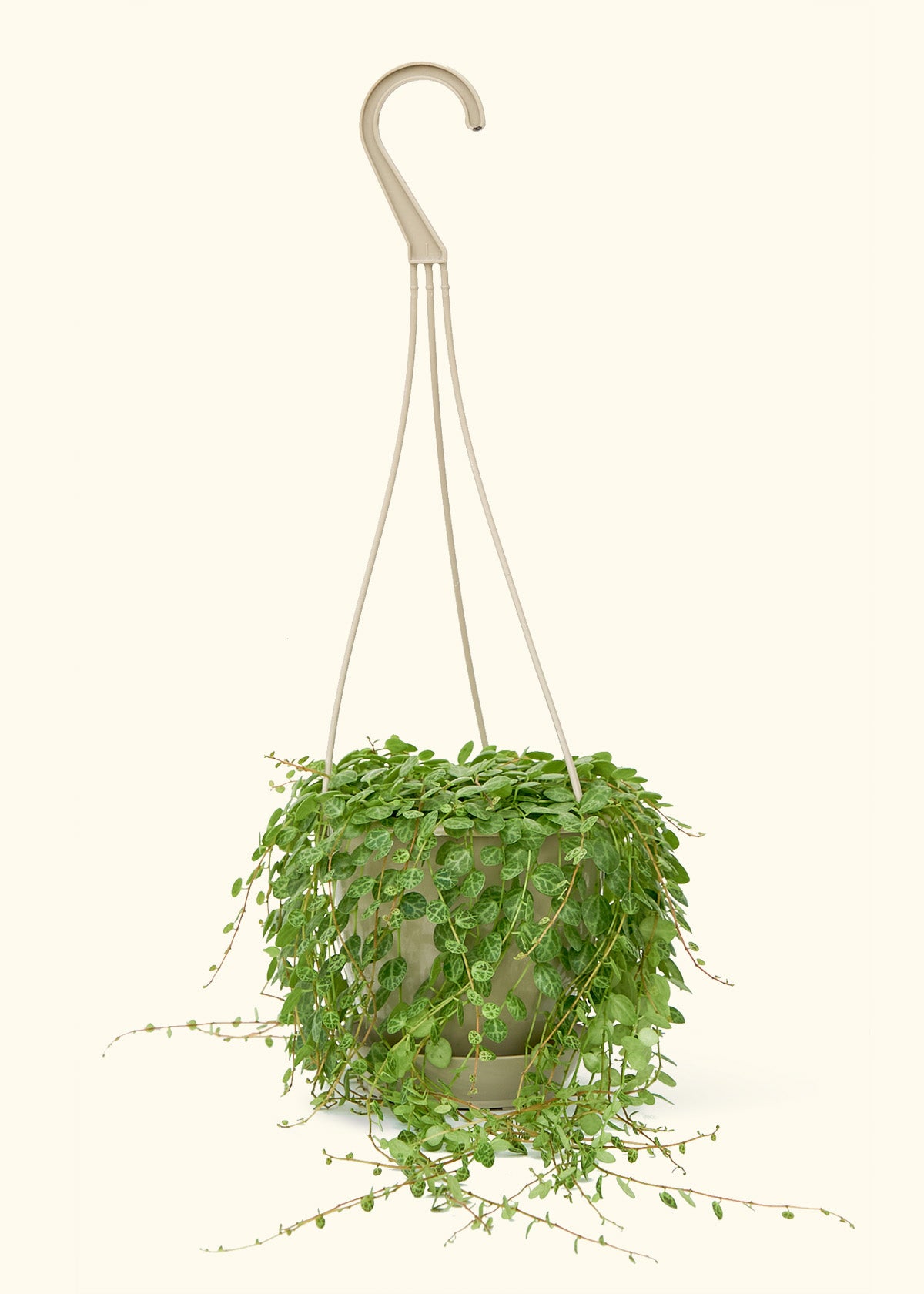
Get the cute String of Turtles (Peperomia prostrata) - a cascading Peperomia variety with long trailing stems and shell-patterned leaves that resemble turtles. It originates from the tropical rainforest regions of Brazil and Ecuador; hence, it grows outdoors in hardiness zones 10-12. This compact hanging plant is ideal for novice indoor gardeners due to its easy-care requirements.
String of turtles may no longer be a rare plant, but it’s highly sought-after for its unique foliage. Peperomia prostrata is pet-friendly, hence your cats and dogs will be safe around this houseplant.
Peperomia are good-luck plants but String of Turtles is also associated with longevity, patience, and consistent progress, which are traits we link to real turtles.
Other popular Peperomia varieties include Baby Rubber Plant, Peperomia Rosso, Watermelon Peperomia, and more.
Peperomia String of Turtles: Benefits
- Cascading plant, ideal for elevated shelves
- Regulates humidity in bathrooms and kitchens
- Non-toxic plant, suitable for pet parents
- A small plant that fits tables and desks
- Makes a great gift with a symbolic meaning
String of Turtles Plant Care: Growing Tips
Growing Peperomia prostrata is a rewarding experience. Learn below how to care for String of Turtles and follow our expert tips for optimal results.
String of Turtles: Light Requirements & Temperature
- Light: An East- or South-facing room, protected with a sheer curtain, is generally a good spot for your String of Turtles plant.
- Temperature: Stable, warm temperatures in the range of 65°F-80°F are ideal. Cool conditions will lead to problems, such as stunted growth.
String of Turtles Plant: Watering & Humidity
- Watering: Water your String of Tutrles about once a wekk; test the soil and consider any seasonal changes as you may need to adjust your watering schedule.
- Humidity: Peperomia prostrata handles average to high humidity (50-70%). This semi-succulent’s fleshy leaves store water, so there’s no need to mist the plant, which can lead to issues.
String of Turtles: Soil, Fertilizer, and Repotting
- Soil: Use well-draining soil for your String of Turtles plant to prevent soggy conditions and maintain good aeration.
- Fertilizer: Feed your Peperomia prostrata with a balanced fertilizer during spring and summer.
- Repotting: Repot every 2 years in the spring; use a pot with enough drainage holes that is only slightly larger than the previous one.
String of Turtles: Propagation
Peperomia propagation is easily done from stem cuttings rooted in soil or water. You can also plant leaf cuttings in moist soil and grow new plants this way. All these propagation techniques work well for the String of Turtles plant. You can also propagate it by surface layering, which involves spreading longer stems horizontally over a moist growing medium and pinning their leaf nodes to improve contact and speed up rooting.
String of Turtles Plant: Problems and Pruning
Overwatering your Peperomia prostrata can lead to root rot and yellow leaves, while direct sunlight and underwatering cause brown leaf tips. Watch out for pests, such as spider mites and root mealybugs, and treat the plant if needed with an organic insecticide. Trim leggy vines and damaged foliage for a bushier and healthier look.
String of Turtles: Companion Plants & Placement Options
The String of Turtles plant is a great standalone cascading plant if placed somewhere high, greening up vertical spaces instantly. You can also grow it as part of a larger plant display, using shelving or a plant stand, to achieve texture and depth.
Great to Place on
Your String of Turtles is an ideal bedroom plant because of its air-purifying properties. You can also place it in a hanging planter, on a windowsill, desk, or coffee table. Outdoors, it can green up patio corners if displayed on a plant stand in the summer.
Peperomia String of Turtles Grows Well With
Pair your Peperomia prostrata String of Turtles together with other tropical plants that require similar conditions.
- Peperomia Luna Grey: Grow the stunning Peperomia Luna Grey with your String of Turtles to create contrast in colors and textures.
- Calathea Pinstripe: The Calathea Pinstripe will complement your Peperomia prostrata with its striped foliage.
- Aechmea Del Mar: Another non-toxic beauty is the gorgeous Aechmea Del Mar - a perfect companion plant that loves humidity.
Shop for String of Turtles for Sale at Hey Rooted Now!




 Care level: No sweat
 Light: High
 Pet friendly
 Water: Once a week


