Best Plants for the Bathroom: Overview
Are you looking to turn your bathroom into a lush, low-maintenance retreat? Bathroom plants are the perfect solution because they’re resilient, humidity-loving, and surprisingly easy to care for.
They come in a variety of shapes and sizes, and many are ideal for low-light spaces. They naturally absorb moisture from the air and even help purify it. Plus, shower plants add instant style and serenity to your everyday living spaces.
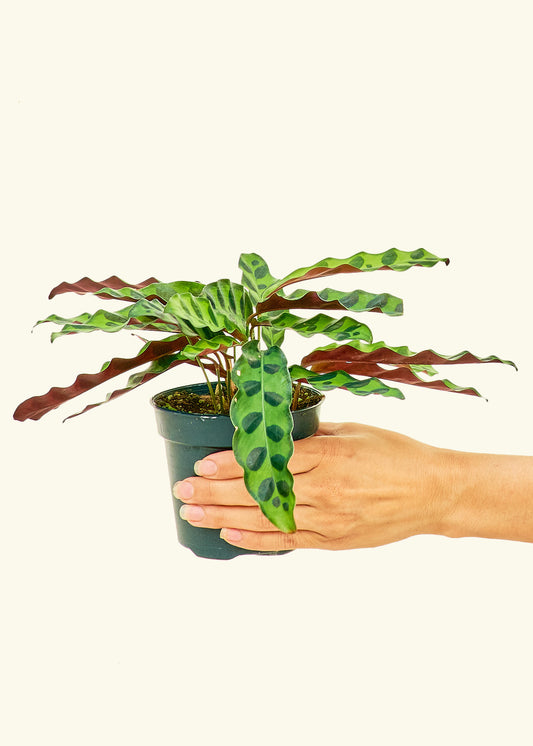
This collection includes a few favorites, such as the striking Calathea Rattlesnake, known for its dramatic leaf patterns and preference for humid rooms, or the elegant Peace Lily - a classic plant that thrives in low light while purifying the air.
Whatever your space style, there’s a plant here to brighten your bathroom naturally.
Plants for Bathroom: Care & Growing Guide
Caring for bathroom plants is simple when you understand their unique environment. With naturally higher humidity and typically lower light, your bathroom creates a cozy microclimate many indoor plants love. Here’s how to help them thrive:
Watering, Light, Humidity, and Temperature
Bathroom plants often need less frequent watering, thanks to the consistent humidity from showers and baths. Still, always check the top inch of soil. If it’s dry, it’s time to water. Most bathroom-friendly plants can tolerate low light, but they'll grow better with indirect sunlight or a grow light if the room has no windows. These plants thrive in humid conditions (50%-80%) and prefer stable temperatures of 65°F - 80°F.
Repotting, Soil, and Feeding
Get a well-draining potting mix to prevent soggy roots, especially in humid bathrooms. A blend with perlite or orchid bark can improve drainage for moisture-sensitive varieties. Repot your plants when they become root-bound or outgrow their containers—usually every 12–18 months. During the growing season (spring and summer), feed your plants with a balanced liquid houseplant fertilizer once a month. In fall and winter, reduce feeding to avoid overfertilization.
Propagation
Many popular bathroom plants are easy to propagate, letting you grow your collection or share cuttings with friends as gifts. Plants like Pothos or Calatheas root easily in water, while you can best propagate ferns by division. Use clean scissors or shears and always propagate from healthy, mature stems. Place new cuttings in a warm, bright (but not direct sun) spot and keep them lightly misted to encourage healthy root development.
Pruning, Cleaning, and Common Issues
Routine pruning keeps your plants tidy and encourages fresh growth. Remove yellowing or damaged leaves, and trim leggy stems to maintain shape. Humid bathrooms can lead to dust, mineral deposits, or even mold on leaves. So, wipe foliage gently with a damp cloth every few weeks. Look for common issues, such as root rot (often caused by overwatering), fungal spots, or mold buildup caused by poor ventilation. A small fan or an occasional open window can help keep air moving and prevent these problems.
Explore Our Best Bathroom Plants
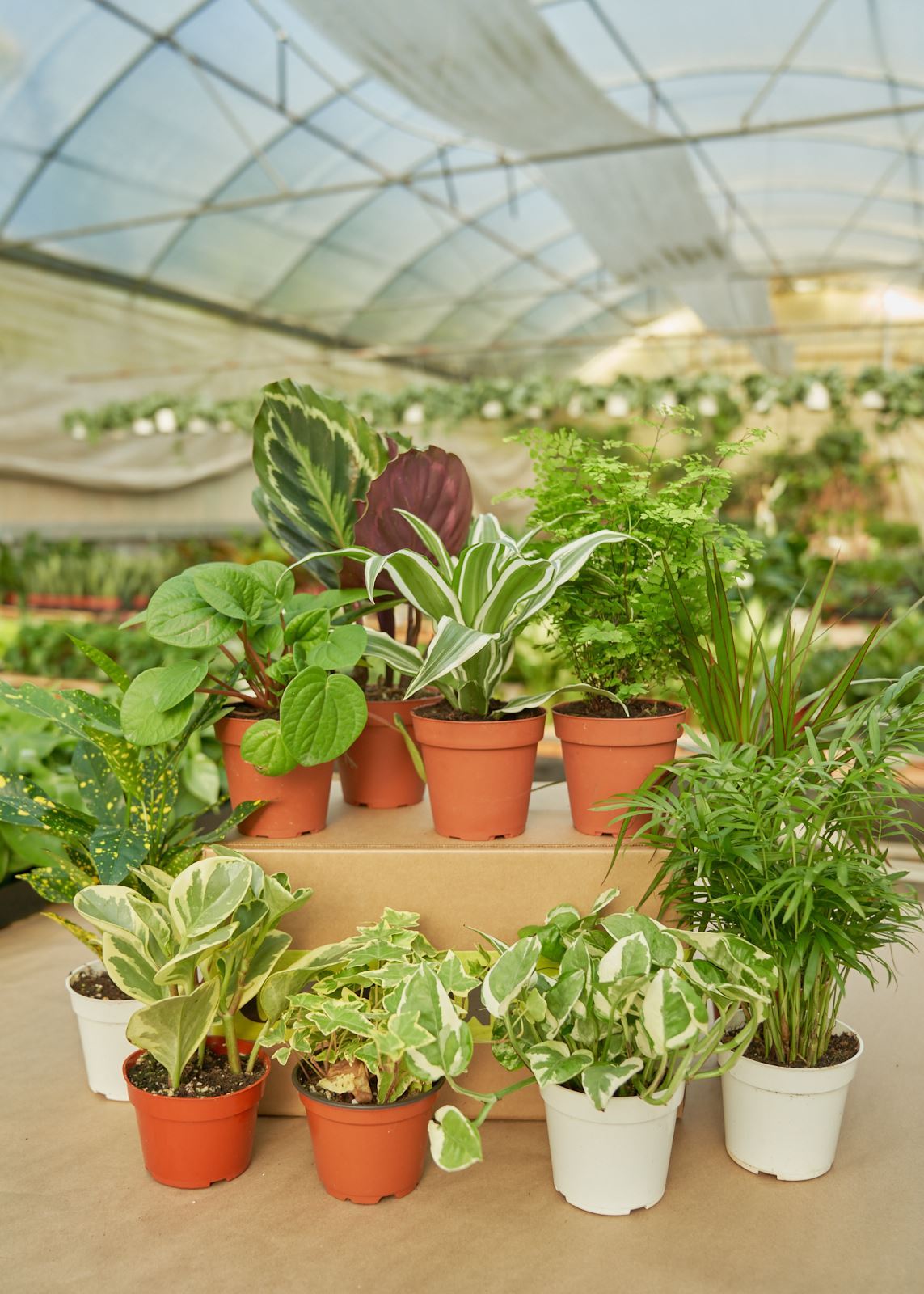
Whether you’re decorating a compact powder room or upgrading your master bathroom, the right plants can bring life, color, and calm to your space. Here are four of Hey Rooted’s favorite bathroom plants that thrive in humidity and look amazing doing it.
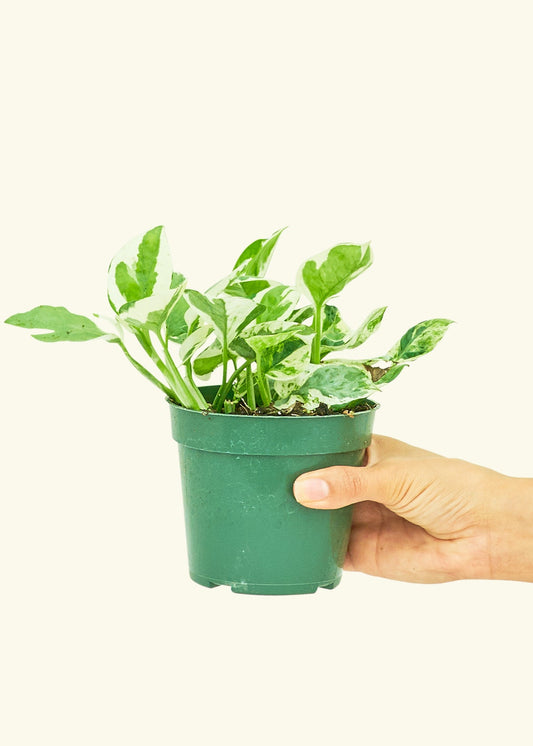
Golden Pothos
Description: Epipremnum aureum is a go-to for any bathroom. With trailing vines and heart-shaped leaves, Golden Pothos thrives in low light and high humidity. It’s easy to care for and perfect for hanging baskets or shelves.
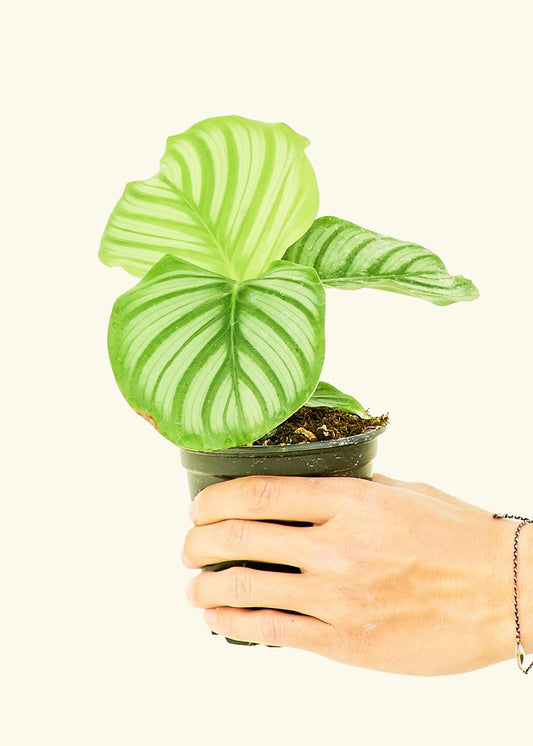
Calathea Pinstripe
Description: Sought-after and rare, Calathea ornata loves steamy spaces and indirect light. The striped leaves of Calathea Pinstripe fold up at night in a prayer-like motion, which is why it's considered a prayer plant. It adds a dynamic touch to your bathroom.
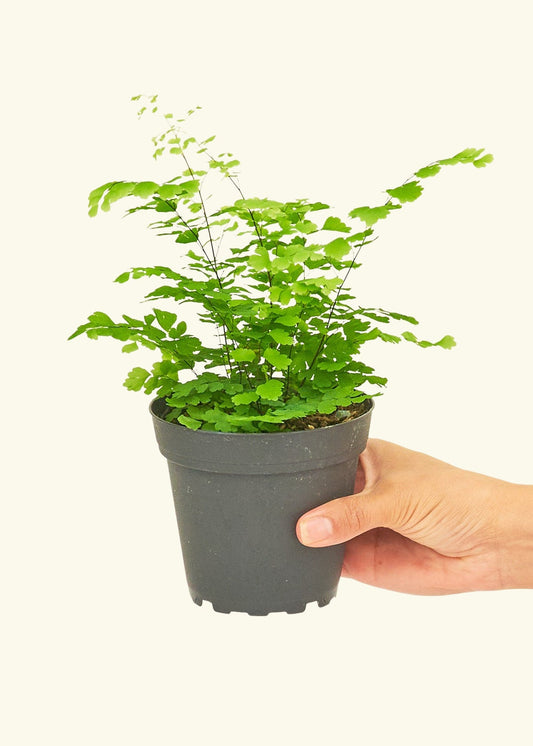
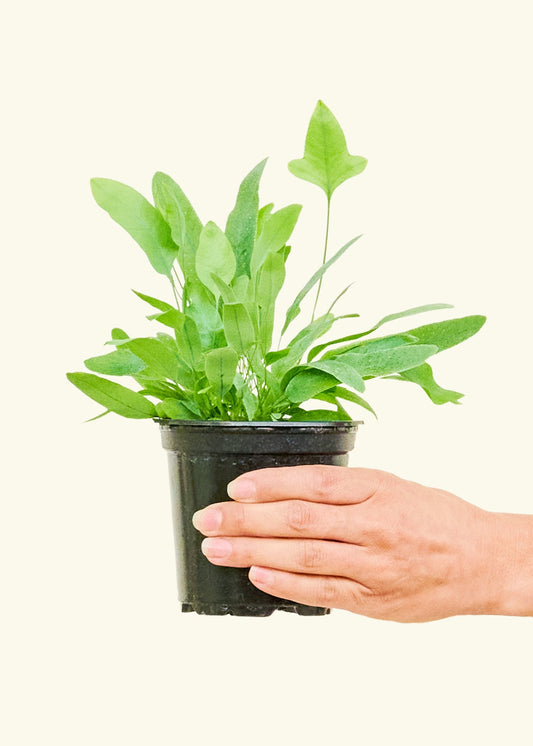
Maidenhead Fern
Description: Delicate, airy, and surprisingly tough in the right setting, Adiantum aethiopicum flourishes in moist environments. The Maidenhair Fern is ideal for bathrooms with consistent humidity and looks stunning on countertops or window ledges.
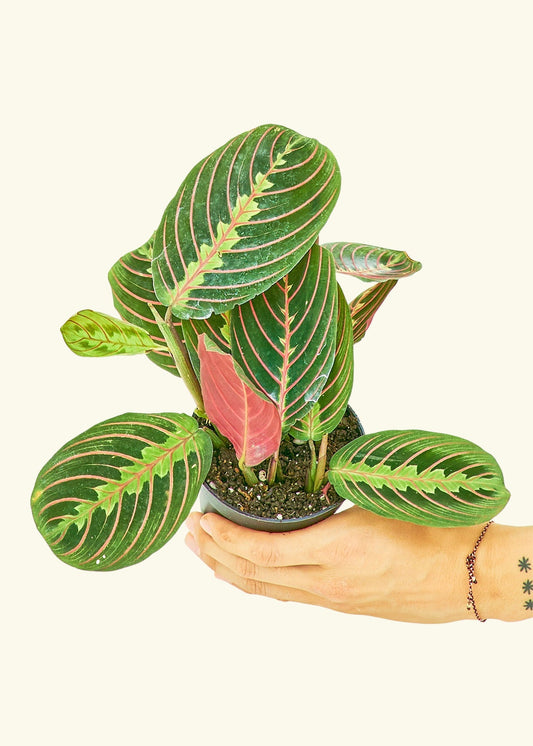
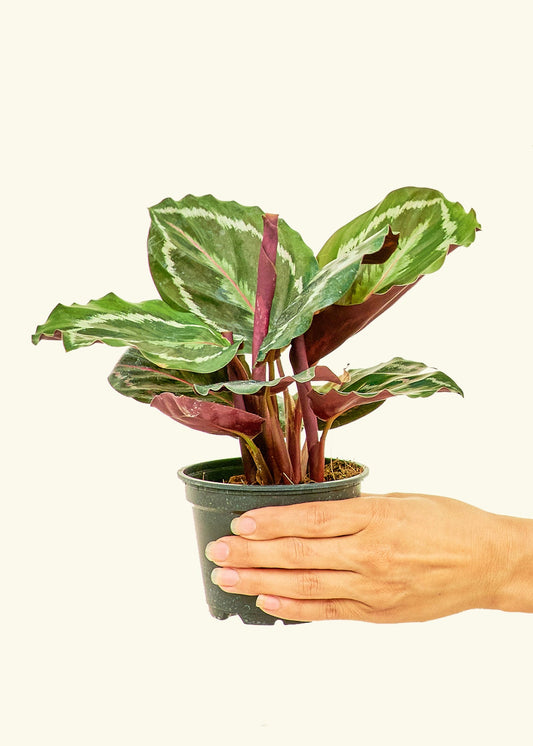
Red Prayer Plant
Description: With deep green leaves and vibrant red veins, Maranta leuconeura adds a pop of color to any bathroom. It thrives in low light and loves a bit of extra moisture, making the Red Prayer Plant a perfect fit for steamy spots. It gets its name from its leaves folding up at night, mimicking hands praying.
Frequently Asked Questions (FAQs)
Q: What's the best plant to put in a bathroom?
A: Tropical plants that love humidity, such as Peperomia, Alocasia, and Ferns, are ideal for the bathroom, as they absorb excess moisture in the air. In dimly lit bathrooms, place plants that are tolerant of low light conditions.
Q: What is the best plant for a low light bathroom?
A: Snake plants, Pothos, and Spider plants tolerate low light and are perfect for bathrooms with low light. Ensure you supplement greenery with grow or LED light in a bathroom without windows.
Q: What plants should not be put in the bathroom?
A: Depending on your bathroom conditions, some plants may struggle if the light is insufficient. Drought-tolerant, desert, and full-sun plants may develop fungal issues in humid environments, such as bathrooms.
Q: Will a Calathea do well in a bathroom?
A: Calathea plants thrive in relatively high humidity and indirect sunlight, so they will do well in a bathroom, provided it receives some natural light.
Q: What plant removes 78% of airborne mold?
A: The English Ivy is a climbing and hanging plant, well-known for its ability to absorb and remove mold spores and other allergens associated with humid places like bathrooms.
Shop for Vibrant Bathroom Plants at Hey Rooted Today!