Philodendron Propagation: A Beginner's Guide
Propagating a Philodendron is one of the easiest ways to grow your plant collection without buying a new plant each time. Once you understand how to propagate a Philodendron, you can turn a healthy stem into a fresh young plant, fill out a sparse pot, or share cuttings with friends as thoughtful gifts. Philodendrons are popular for their lush tropical leaves, easygoing care needs, and reputation as lucky plants that bring growth and positive energy into the home. This beginner’s guide to Philodendron propagation explains where to cut, when to start, and how to help your new plant's roots grow strong.

Propagating a Philodendron is one of the easiest ways to grow your plant collection without buying a new plant each time. Once you understand how to propagate a Philodendron, you can turn a healthy stem into a fresh young plant, fill out a sparse pot, or share cuttings with friends as thoughtful gifts. Philodendrons are popular for their lush tropical leaves, easygoing care needs, and reputation as lucky plants that bring growth and positive energy into the home. This beginner’s guide to Philodendron propagation explains where to cut, when to start, and how to help your new plant's roots grow strong.
About Philodendron

Philodendrons are popular houseplants for good reason. They have lush tropical leaves, don’t need fussy care, and can make even a plain corner look greener. Most come from the warm, humid forests of Central and South America, where they grow under taller plants rather than in harsh direct sun. Indoors, they usually do best with bright, indirect light, moderate moisture, and a loose potting mix that allows excess water to drain away.
These plants are usually forgiving once you find the right spot for them. A warm room, steady light, and watering only when the top layer of soil starts to dry will suit most varieties. In the garden, Philodendrons are mainly warm-climate plants, often grown outdoors in USDA Zones 9 to 12, depending on the variety. One thing to watch is pet safety. The sap contains calcium oxalate crystals, so it’s best to keep Philodendrons away from cats, dogs, and small children who may nibble the leaves.
These beauties vary in growth habit (upright and vining), making them versatile for placement. This makes them a nice choice for desks, shelves, and hanging planters.
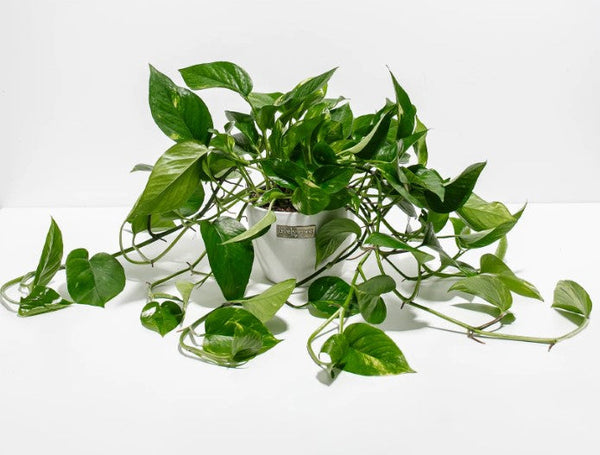
So, there are two main types of Philodendrons: trailing and self-heading. Trailing Philodendrons, such as Heartleaf Philodendron and Philodendron Brasil, grow long vines, resembling pothos plants. Self-heading types, such as Philodendron Prince of Orange and Philodendron Pink Princess, stay more upright and bushy.
So, how do you propagate Philodendron?
When to Propagate Philodendron
Spring is usually the ideal time to propagate a Philodendron, especially once you can see fresh leaves starting to push out. Early summer works well, too. The plant is already in growth mode, so cuttings tend to root with less sulking. You can try it in the fall, but expect things to move more slowly. Avoid taking cuttings from a tired-looking plant with pests, yellow leaves, or soggy roots. Let it bounce back first, then cut from a healthy stem with at least one node.
Philodendron Propagation: Tools and Supplies
You don’t need much kit for Philodendron propagation, which is part of the charm. Gather everything first, then give your cutting the cleanest start possible.
- Sharp scissors or pruning shears
- A clean glass jar, small vase, or nursery pot
- Fresh water or light, well-draining potting mix
- Optional rooting hormone
- Paper towel or cloth for cleanup
Before cutting, wipe your tool’s blades with rubbing alcohol or hot, soapy water. It only takes a minute and helps stop bacteria or plant problems from spreading.
But is it better to propagate a Philodendron in water or soil?’
How to Propagate a Philodendron (3 Easy Methods)

Can you grow Philodendron from a cutting? Yes, and stem cuttings are the easiest method for most home growers. The main thing is knowing where to cut Philodendron for Propagation. You need to identify a healthy, strong stem with at least one node, which is the small bump or joint where roots and new growth can form. Water and soil propagation are the two beginner-friendly options. Air-layering also works, but it’s a little more hands-on, so it suits experienced plant lovers better.
1. How to Propagate Philodendron in Water
Will a Philodendron root in water? Yes, many trailing types root very well this way, and it’s a nice method because you can actually watch the roots grow.
- Choose a healthy vine with two or three leaves and at least one clear node.
- Cut just below the node using clean scissors or pruning shears.
- Remove any lower leaves that would sit below the waterline.
- Place the cutting in a jar of fresh water, making sure the node is covered.
- Keep the jar in bright, indirect light, away from harsh sun.
- Change the water every few days, or sooner if it looks cloudy.
- Move the cutting into the soil once the roots are a couple of inches long.
2. Philodendron Propagation in Soil
Soil propagation is simple, too, although you won’t see the roots forming. It can be a good choice if you don’t want the cutting to adjust from water to soil later.
- Take a healthy stem cutting with at least one node.
- Fill a small pot with a light, well-draining potting mix.
- Make a small hole in the soil with your finger or a pencil.
- Place the cutting in the soil, making sure the node is below the soil surface, and gently firm the mix around it.
- Water lightly to make the soil damp, not soggy.
- Place the pot in a warm spot with bright, indirect light.
- Check the soil often and water when the top layer feels dry.
3. Philodendron Propagation by Air-layering
Air-layering lets the cutting grow roots while it’s still attached to the main plant. It’s useful for thicker stems or prized plants, but it takes a little more patience.
- Choose a healthy stem with a visible node.
- Wrap damp sphagnum moss around the node.
- Cover the moss with plastic wrap to hold in moisture.
- Secure it loosely with a string, twist ties, or plant tape.
- Keep the moss lightly damp while the roots develop.
- Once roots are visible through the moss, cut below the rooted area.
- Plant the rooted section into fresh, well-draining soil.
Explore More Philodendron Plants

How to Propagate a Non-trailing Philodendron
Non-trailing Philodendrons can be propagated using the same basic methods as vining types, as long as you have a stem section with a node. Water, soil, and air-layering can all work, although upright varieties may be a little slower to root.
Some self-heading Philodendrons also produce offsets, or baby plants, around the base. If the offset already has roots, gently separate it from the main plant with clean hands or a sanitized knife. Plant it in a small pot of moist, well-draining soil, then keep it warm and lightly watered while it settles in.
How to Propagate a Philodendron: Aftercare Tips

Once your cutting is planted, don’t fuss with it too much. A calm, warm spot will do more good than constant moving and checking.
- Watering: Keep the potting mix just damp. If it feels wet and heavy, leave it alone for a few days.
- Light: Bright, indirect light is ideal for your young Philodendron plant. A spot near a window works well, as long as the hot sun doesn’t hit the leaves.
- Humidity: Young cuttings like a bit of extra moisture in the air. Grouping plants together can help if your room feels dry.
- Fertilizer: Don’t feed straight away. Wait for new growth, then use a weak houseplant fertilizer during spring or summer.
- Pot size: Use a small pot at first. Too much spare soil can stay wet and make the roots struggle.
Propagating Philodendron: FAQs
Q: Should I propagate philodendron in water or soil?
A: Either method works. The water propagation technique is easier for beginners because you can see the roots forming. Soil is a little less exciting, but the cutting doesn’t have to adjust from water to potting mix later.
Q: How long do philodendron cuttings take to root in water?
A: Most Philodendron cuttings start showing roots in two to four weeks. It can take longer if the room is cool, the cutting is weak, or there isn’t enough bright, indirect light.
Q: Can you propagate philodendron from a leaf?
A: It’s not possible to grow new philodendron plants from a leaf alone. A leaf may stay green in water for a while and even form weak roots, but it won’t grow into a new plant without part of the stem.
Q: Can you propagate philodendron without a node?
A: No, it’s not possible because the node is an essential part of Philodendron propagation from stem cuttings. It’s where new roots and shoots form, so always make sure there is one before cutting.
Conclusion
Once you’ve found the node, Philodendron propagation feels much less mysterious. A clean cut, a little patience, and steady care are usually enough to get a new plant going. Water propagation is handy if you like seeing the roots appear, while the soil method keeps things simple from the start. Give the young plant gentle light, warmth, and careful watering as it settles in. For a lush indoor plant arrangement, try grouping your Philodendron plants with Golden Pothos, Peace Lily, ZZ Plant, or Moonshine Snake Plant.