Why Is My Philodendron Turning Yellow?

Philodendrons are some of the most popular and versatile indoor plants, loved for their easy-going nature and vibrant foliage. But, like all plants, they may encounter conditions that disrupt plant health, like overwatering or insufficient light. Philodendron leaves turning yellow is a common sign that this tropical plant is struggling. Still, if identified early, you can fix most issues quickly and have your Philodendron thrive again in your home or office in no time.
About Philodendrons

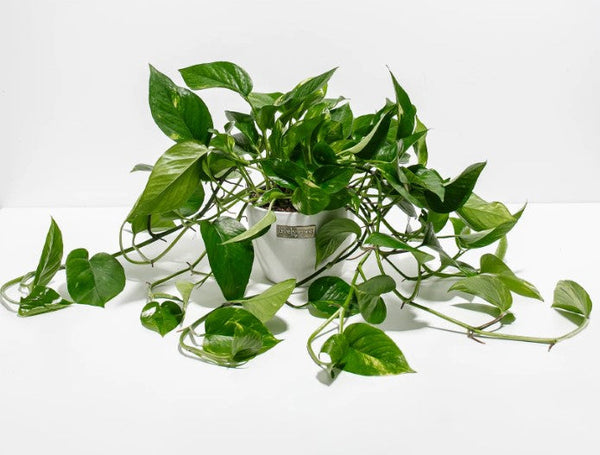
Philodendron plants include upright and trailing varieties (which look like pothos), and they have long been popular as houseplants due to their low-maintenance care requirements and beautiful, luxuriant foliage. These tropical plants feel best in bright light in humid, warm environments with temperatures ranging from 65°F to 80°F. Philodendrons are relatively low-maintenance and easy to propagate. You can even grow them outdoors in USDA hardiness zones 9-11.
Philodendron plants can be mildly toxic to pets if ingested. They symbolize growth, strength, and vitality.
From spectacular variegated statement plants, like Philodendron White Princess, to popular vining varieties, like the lush Philodendron Brasil, philodendrons are gorgeous foliage plants that will add tropical luxuriance to your home or office interior.
Find out how to keep these lovely plants healthy and lush in our guide.
Philodendron Leaves Turning Yellow: Causes and Solutions

Finding your Philodendron with yellowing leaves can be frustrating. You may wonder what you’re doing wrong. Don’t worry, most of the issues causing yellowing leaves can be fixed if you act quickly.
Explore More Philodendron Plants

Why Are My Philodendron Leaves Turning Yellow?
There are many reasons for a Philodendron’s leaves turning yellow. Knowing the cause will help resolve the situation quickly. Here are some of the most common reasons:
- Overwatering
- Insufficient light
- Lack of nutrients
- Natural aging process
- Excessive fertilizing
- Pests
How Do You Fix Yellow Leaves on Philodendron?
Check your plant’s soil, and if it’s wet, refrain from watering until the top inches are dry. If the plant is seriously affected, you may need to repot it in fresh, well-draining soil and remove roots affected by root rot.
If your Philodendron plant isn’t getting enough light, move it closer to a window. Philodendron plants should be protected from direct sunlight, which can scorch their leaves.
Be careful when fertilizing; use a balanced fertilizer to provide all the necessary nutrients, and always dilute the recommended dose to avoid overfertilizing. Repot every few years into fresh, nutrient-rich soil.
If one or two leaves turn yellow only occasionally, it’s probably part of the plant’s natural aging process. Check your plant regularly for insects and treat with organic insecticide if necessary.
Other Common Philodendron Problems

While they’re easy-care plants, Philodendrons need the right growing conditions to grow well indoors. They may struggle if grown in an unsuitable location or not given proper care. So, what are some common problems with Philodendron?
What Causes Philodendron Leaves to Curl?
Philodendron leaves may curl as part of the plant’s defensive mechanism, reacting to temperature fluctuations or insufficient watering. Houseplants also sometimes suffer due to low humidity in dry indoor spaces.
Philodendron Leaves Curling: Fixes
Check the plant’s soil and water if necessary. Place your Philodendron’s pot on a pebble tray to trap moisture, group with other plants to increase humidity, or use a humidifier. Keep your plant away from doors or windows, as cold drafts can stress the plant.
Why Are the Leaves on My Philodendron Turning Brown?
Wondering why your Philodendron leaves are turning brown? Here are some of the most likely causes of Philodendron leaves turning brown:
- Underwatering
- Low humidity
- Fungal or bacterial issues (usually large brown spots on the leaves)
- Sunburn
How to Get Rid of Brown Spots on Philodendron Leaves?
The first thing to do if your Philodendron has brown leaves is to check the soil. It may simply be underwatered.
Increase the humidity using a pebble tray or a humidifier. Brown or yellow spots on Philodendron leaves, especially if they’re spreading, can be a sign of fungal or bacterial disease. Fungal spots will normally have a brown or black ring around them, while bacterial spots are often mushy and discolored. Move an affected plant away from other plants, and treat it with the appropriate fungicide.
If you find tiny brown spots, evenly distributed on the leaf, they’re likely nectaries, a natural, sap-producing part of the Philodendron’s leaves.
Crisp, brown spots near the edges are often scorch marks from overexposure to direct sunlight. Move your plant away from the window.
Philodendron Drooping Leaves: Reasons and Fixes
Philodendron leaves drooping can be caused by low temperatures, transplant shock, inconsistent watering, or low light. If you notice your Philodendron leaves turning mushy, the reason is overwatering.
How Do You Fix a Droopy Philodendron?
Check the soil to make sure it isn’t soggy (you can use a moisture meter), and move your plant closer to the window if it’s not getting enough light. Keep it away from cold drafts or heat vents. If it’s suffering from transplant shock, give it time to recover.
Why Are Leaves Falling Off My Philodendron?
A Philodendron dropping leaves is often a sign of watering issues. Check the soil and watch for other signs of overwatering or insufficient watering. Inappropriate lighting or shock from sudden heat or cold can also cause leaf drop.
Will Philodendron Leaves Grow Back?
Philodendron leaves won’t grow back on the exact spot, but new leaves will normally bud from the top of the stem. If moved to more favorable conditions, the Philodendron plant will recover and continue growing.
Philodendron Problems: FAQs
Q: How do you tell if Philodendron is getting too much light?
A: If your Philodendron plant is getting too much light, its foliage will look bleached or pale. You may notice crisp, dry leaf tips or brown, scorched spots on the leaves from overexposure to full sun.
Q: What does an overwatered Philodendron look like?
A: An overwatered Philodendron will likely have drooping and yellow leaves and slightly mushy stems. In severe cases, you’ll also notice a musty smell from the soil, which will feel soggy.
Q: How to perk up a Philodendron plant?
A: Check the soil and water if it’s dry. Remove any dead or wilting leaves to help the plant focus on the healthy foliage. Increase humidity and provide bright, indirect light.
Q: What does an underwatered philodendron look like?
A: An underwatered Philodendron will have crisp, brown leaf tips, and its leaves may curl inward. It may also drop its leaves.
Q: Should I cut off brown Philodendron leaves?
A: Yes, remove any wilting or brown leaves, as they won’t recover. Trim them down to the leaf nodes to help your plant grow healthy, new foliage.
Conclusion
There are numerous reasons behind a Philodendron turning yellow. Some of them don’t require action on your part, as yellowing leaves can be a part of the plant’s lifecycle. But if the cause is poor care, you may need to address overwatering, low humidity, or temperature shock to fix the issue. These conditions can also lead to brown leaves, spots, or drooping foliage.
Knowing the reasons behind these symptoms will help you determine whether you need to adjust the watering schedule, repot your plant, or move it closer to a bright window.
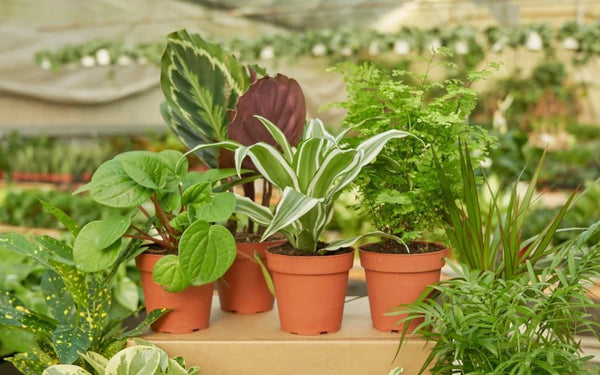
Combine your Philodendron with other tropical plants, like the radiant Stromanthe Triostar or the stunning Cat Palm, to create your own relaxing indoor jungle.