How Often to Water Prayer Plant: The Complete Guide
Prayer Plants are gorgeous, but they can be a bit dramatic when watering isn’t quite right. One week, they look perfect, the next, they’re curling their leaves like they’ve had enough of you. Learning how often to water a Prayer Plant mostly comes down to checking the soil, rather than following a strict calendar. These indoor plants like gentle, even moisture, but soggy roots are where the trouble starts. Once you get the balance right, they’re much easier to keep happy.

Prayer Plants are gorgeous, but they can be a bit dramatic when watering isn’t quite right. One week, they look perfect, the next, they’re curling their leaves like they’ve had enough of you. Learning how often to water a Prayer Plant mostly comes down to checking the soil, rather than following a strict calendar. These indoor plants like gentle, even moisture, but soggy roots are where the trouble starts. Once you get the balance right, they’re much easier to keep happy.
About Prayer Plants

Prayer Plants belong to the Marantaceae family, a group of tropical plants known for their patterned leaves, bold color, and attitude. The name is often used for both Maranta and Calathea plants. Maranta varieties usually have softer, trailing growth, while Calathea plants tend to grow more upright with larger, showier leaves. Both come from warm, humid regions of Central and South America, where they grow beneath taller plants in filtered light.
They are fairly easy once you understand prayer plant watering needs, but they do like consistency: bright indirect light, gentle moisture, warmth, and higher humidity. Prayer Plants are also pet-friendly and often linked with gratitude, calm, and devotion. They get their name from the fact that they fold their leaves upward at night, almost like praying hands.
Popular Maranta plants include Red Prayer Plant, Maranta Beauty Queen, and Lemon Lime Prayer Plant. Calathea favorites include Calathea Rattlesnake and Calathea Pinstripe. So, how often should you water a prayer plant?
How Often Do You Water Prayer Plants?

How often are you supposed to water a Prayer Plant? Usually, once the top inch of soil starts to feel dry, it’s not because a certain day of the week has arrived.
When to Water Calathea and Maranta Plants
The best time to water Calathea and Maranta plants is usually in the morning. That gives the soil time to absorb moisture while the plant is actively using it. Indoors, most Prayer Plants need water about once every 5 to 10 days, but warm rooms, dry air, bright light, and small pots can make them dry out faster.
In winter, they often need less. Plants outdoors may require more frequent watering, especially when it’s hot or when growing in pots. Garden-grown plants can hold moisture longer, depending on the soil and shade. Always check the soil first, as climate, humidity, temperature, and season can all affect your prayer plant watering schedule.
How Much Water Should a Prayer Plant Get?
Do prayer plants like to dry out between waterings? Only slightly. Let the top layer of soil dry a little, but don’t let the whole pot go bone dry.
Water slowly until excess moisture drains from the bottom of the pot. Then empty the saucer, because sitting in water can quickly lead to root problems.
Maranta vs Calathea: Watering Needs
Maranta plants are usually a little more forgiving. How much water does Maranta need? Enough to keep the soil slightly moist, without turning it soggy.
If you’re wondering how often to water Calathea, check it more often. Calathea plants can be fussier and usually prefer steadier moisture, higher humidity, and softer water.
What Is the Best Way to Water a Prayer Plant?

Before you water, check the soil's moisture level. Push your finger about an inch down. If it feels lightly dry at the top but not dusty all the way through, it’s probably time to water.
How Do You Water Maranta?
Maranta watering should be done slowly at the soil level, using room-temperature water if possible. Let the water soak through the potting mix until it starts to run from the drainage holes. Then leave the pot to drain properly before putting it back in its cover pot or saucer.
How to Water Calathea
Calathea plants prefer a gentle, even soak. Pour water around the soil rather than over the leaves, then let the extra drain away. If your Calathea gets brown edges easily, try filtered, distilled, or rainwater instead of tap water.
Underwatered vs Overwatered Prayer Plant: Troubleshooting Tips

Maranta and Calathea plants are quick to complain when Prayer Plant watering is off. The awkward bit is that too much and too little water can both cause drooping, curling, and sad-looking leaves, so always check the soil rather than guessing.
What Does an Overwatered Prayer Plant Look Like?
Overwatering causes your prayer plant to usually look limp, heavy, and a bit defeated. The soil often stays wet for days, even when the plant itself looks like it needs help.
Signs of overwatering the prayer plant:
- Yellowing leaves
- Soft or mushy stems
- Drooping leaves with wet soil
- Brown or black leaf patches
- Fungus gnats around the pot
- A musty smell from the soil
- Roots that look dark or slimy
How to Save an Overwatered Prayer Plant
Knowing how to fix an overwatered Prayer Plant is an important part of its care. You should stop watering and let the soil dry slightly. If the pot is waterlogged, slide the plant out and check the roots. Trim away anything mushy, then repot in fresh, airy soil and use a pot with enough drainage holes. Keep the plant in bright, indirect light to help it recover.
How to Know If a Prayer Plant Needs Water
A thirsty Prayer Plant usually feels dry before it looks terrible. If the pot is light and the soil has pulled away from the edge, it probably needs a drink.
Signs include:
- Curling leaves
- Crispy brown edges
- Dry soil below the surface
- Drooping with a light pot
- Leaves folding during the day
How Do I Bring My Prayer Plant Back to Life?
If the soil is very dry, soak the pot in room-temperature water for 20 to 30 minutes, then drain it well. Trim dead leaves, raise humidity, and keep the plant away from harsh sun or cold drafts.
Prayer Plant Watering: FAQs
Q: Can I water my Calathea with tap water?
A: You can use tap water, but it may not always love it. Some Calathea plants react to mineral build-up, chlorine, or fluoride with brown leaf edges. Use filtered water, rainwater, or tap water that’s been left out overnight.
Q: How do you perk up a prayer plant?
A: First, check the soil. If it’s dry, give the plant a slow, thorough drink. If it’s wet, leave it alone for a few days and improve airflow.
Q: Do you water Calathea from the top or bottom?
A: Calathea watering from the top is useful because it flushes the soil, while bottom watering helps dry soil absorb moisture more evenly. Either way, let the pot drain fully afterward.
Q: Should I water my prayer plant again if it's stressed?
A: A stressed Prayer Plant may be reacting to too much water, cold air, strong sun, low humidity, or a recent move. Check the soil first. If it still feels damp, more water will probably make it worse.
Q: Do prayer plants need distilled water?
A: Not always, but distilled water can help if your plant gets crispy tips or brown edges.
Q: Do Maranta plants like to be misted?
A: Maranta plants enjoy humidity, so misting can freshen the leaves a little, but won’t raise humidity for long. A humidifier, pebble tray, or grouping of plants usually works better.
Q: Can you save an overwatered Calathea?
A: Provided the roots are not too damaged, it is possible to save an overwatered Calathea. Remove soggy soil, trim mushy roots and yellow leaves, and repot in fresh, well-draining potting mix. Maintain proper care and keep the plant warm, humid, and out of direct sun while it recovers.
Conclusion
Prayer Plant care gets much easier once you stop watering on a set schedule and start checking the soil. Maranta and Calathea plants both like steady, gentle moisture, but soggy roots are bad news. Let the top inch dry a little, water slowly, and adjust your routine with the season, room temperature, and humidity.
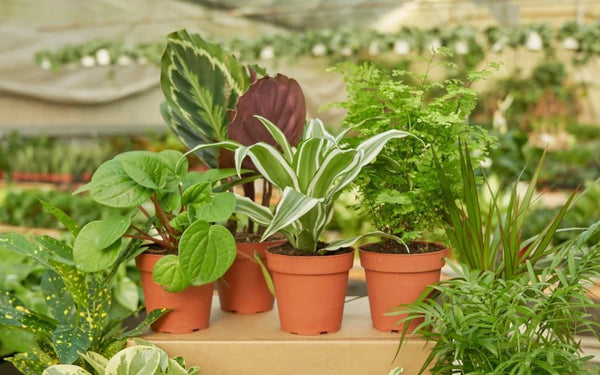
To build out a leafy indoor display, pair Prayer Plants with other humidity-loving plants such as Bird’s Nest Fern, Watermelon Peperomia, or Parlor Palm.