Baby Rubber Plant Care Guide
About Baby Rubber Plant
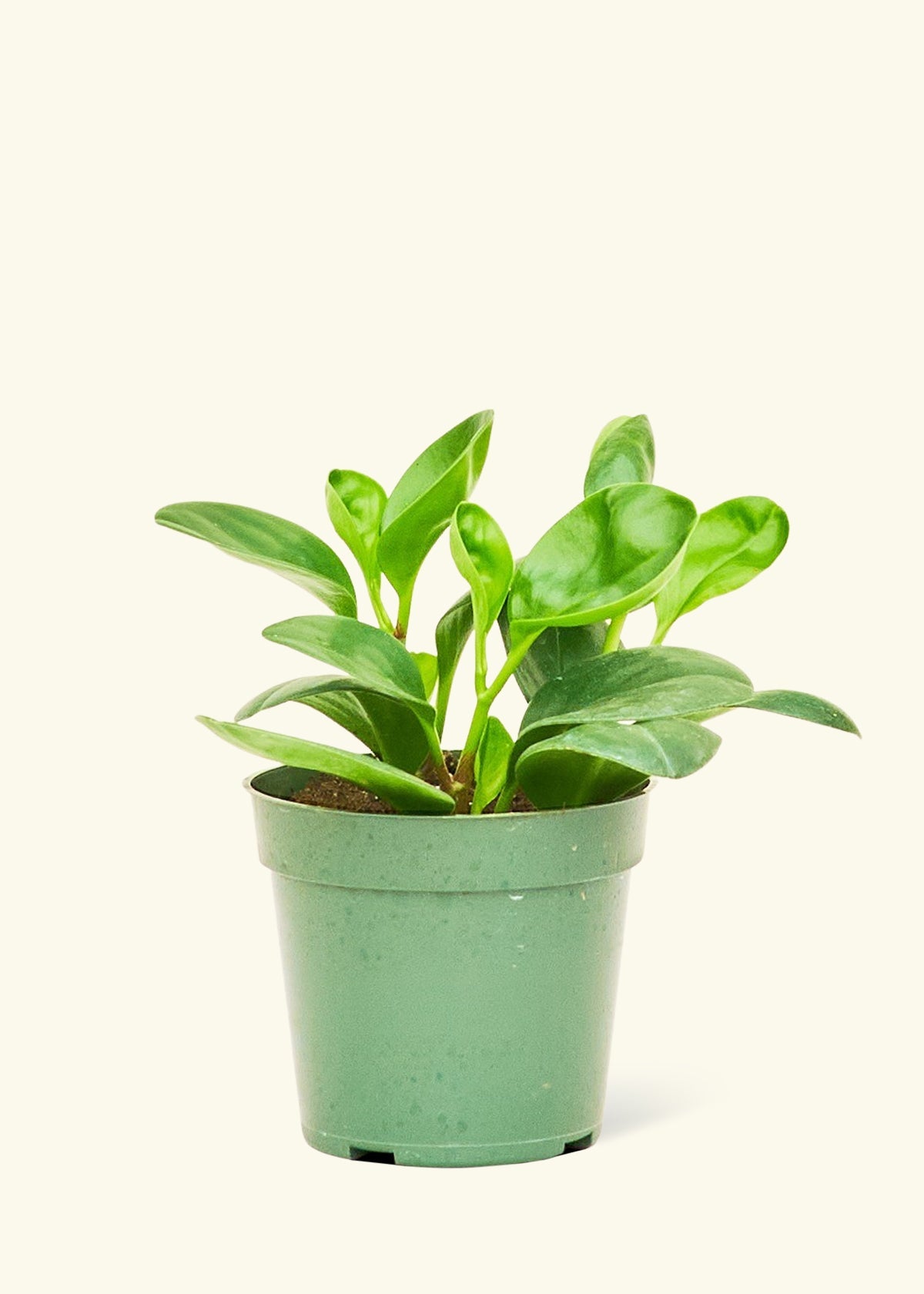
The Baby Rubber plant (Peperomia obtusifolia) is a medium-sized Peperomia variety with thick, round, emerald green leaves. Also called the Pepper Face plant, this charming rubber plant is native to southern Florida, the Caribbean, and South America. It grows best in USDA hardiness zones 10-12.
Peperomia care is simple and minimal, which makes it an amazing plant for beginners. Moreover, this indoor plant is also safe for cats and dogs, as it isn’t toxic. Peperomia plants are associated with wealth and good luck.
Peperomia varieties are known for their interesting foliage, like the multicolored Variegated Baby Rubber Plant or the uniquely patterned Watermelon Peperomia.
Baby Rubber Plant: Benefits
- Excellent air-cleansing properties
- Low-maintenance and drought-tolerant plant
- Ideal pet-safe plant for homes with pets
- Perfect for porches or patios in warm climates
- Compact size suitable for shelves, desks, and other small spaces
Peperomia Obtusifolia Care: Growing Tips
Peperomia plant care is easy, as this beauty is low-maintenance and requires minimal effort. Here’s what it needs to thrive:
Baby Rubber Plant: Light Requirements & Temperature
- Light: Peperomias love medium to bright, filtered sunlight. They can adapt to lower light levels when necessary, and require protection from direct sunlight when grown outdoors.
- Temperature: This plant will benefit from temperatures ranging from 60°F to 75°F. Keep it away from cold drafts.
Peperomia Obtusifolia: Watering & Humidity
- Watering: The Peperomia plant stores water in its leaves, like a succulent. So, only water once the soil is dry.
- Humidity: The Peperomia plant benefits from high humidity, making it an ideal bathroom plant; it can also easily adapt to average humidity. Place the pot on a pebble-filled tray, group with other plants, or mist regularly.
Baby Rubber Plant: Soil, Fertilizer, and Repotting
- Soil: Peperomias need well-draining soil that doesn’t retain too much moisture. Add perlite to a regular potting mix to improve drainage.
- Fertilizer: Feed your Peperomia Baby Rubber plant about three times a year with a balanced fertilizer, diluted by half strength. Stop fertilizing in late fall and winter.
- Repotting: Repot your Peperomia every 2 years or when it outgrows its pot. Don’t use a very large pot, as this may impair drainage.
Peperomia Obtusifolia: Propagation
Baby Rubber plant propagation is easy. Simply take stem cuttings with several leaves, place them in a jar with fresh water, and change the water regularly until the roots develop. Then plant in well-draining soil. You can also divide a mature plant.
Baby Rubber Plant: Problems and Pruning
Yellowing leaves and moist soil indicate overwatering. Dry air and insufficient watering can lead to crisp brown leaf tips or curling leaves. Stunted growth and faded leaf color are signals of insufficient light.
If left unchecked, your Baby Rubber Plant will grow bushy or trail over the pot’s sides. Prune the tips of the stems just above a leaf node to encourage branching and bushier growth. Remove all dead leaves and keep the soil free from debris.
Peperomia Obtusifolia: Companion Plants & Placement Options
Getting a lovely Peperomia plant for sale will instantly add verdant tropical greenery to your home or office. Grow it as a standalone plant or group it with other plants.
Great to Place on
Peperomias are perfect for adding greenery to small spaces, like shelves, tables, or window sills. You can grow your Peperomia as a cascading plant in a hanging container or outdoors on the porch in warm weather.
Peperomia Obtusifolia Grows Well With
Your Baby Rubber Plant will benefit from growing with other plants with similar care requirements:
- Peperomia Hope: The easy-care Peperomia Hope is a lovely, trailing variety with small, round leaves and pinkish stems.
- Calathea Rattlesnake: The striking Calathea Rattlesnake is an exotic plant with boldly patterned foliage and a unique tropical vibe.
- Hoya Rope: Twisted into tiny swirls, the leaves of the Hoya Rope are decorative and unusual.
Shop for Baby Rubber Plant for Sale at Hey Rooted Now!




 Care level: No sweat
 Light: Low
 Pet friendly
 Water: Once a week


