Floor Plants: Overview
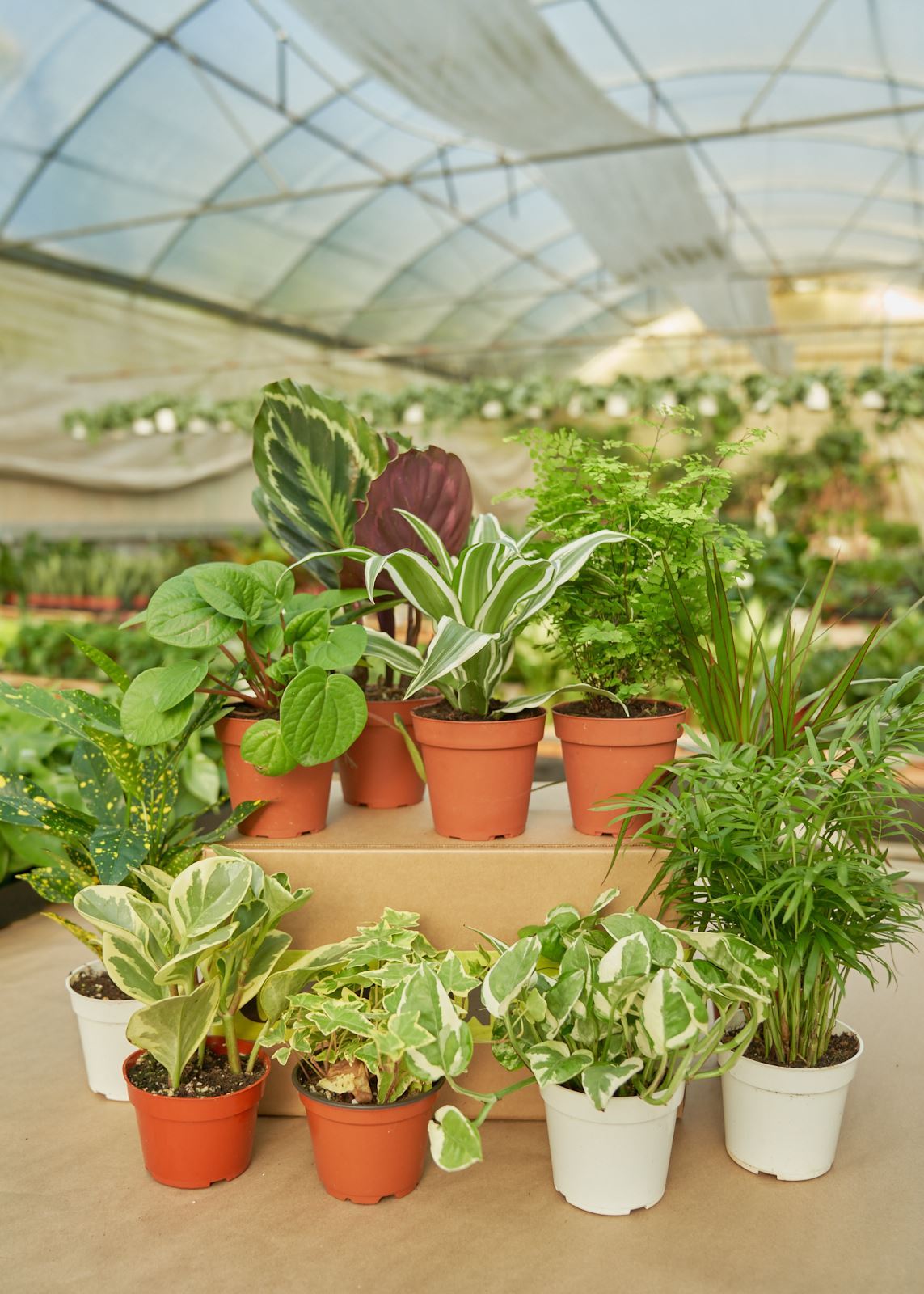
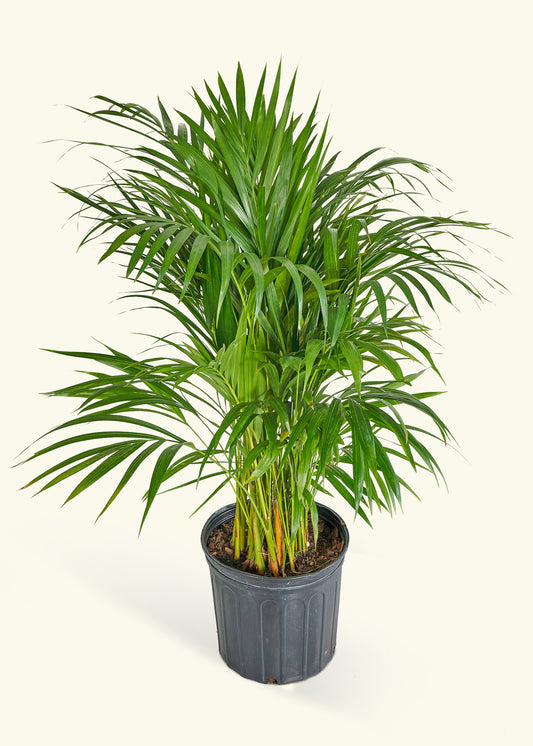
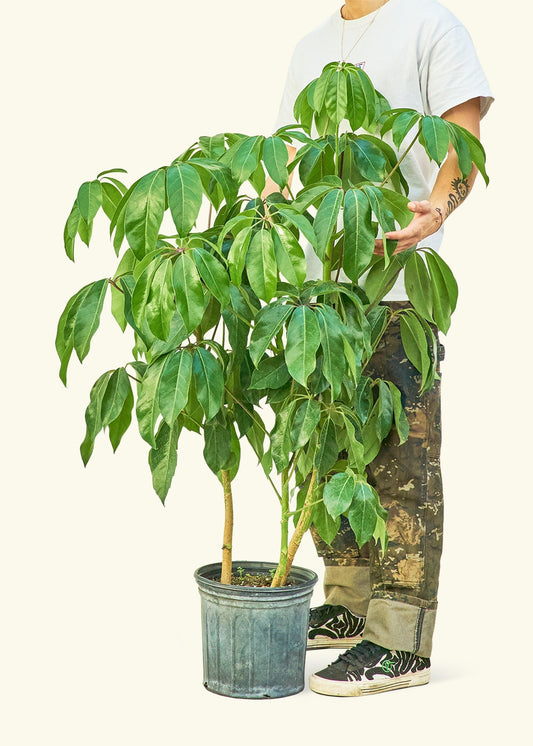
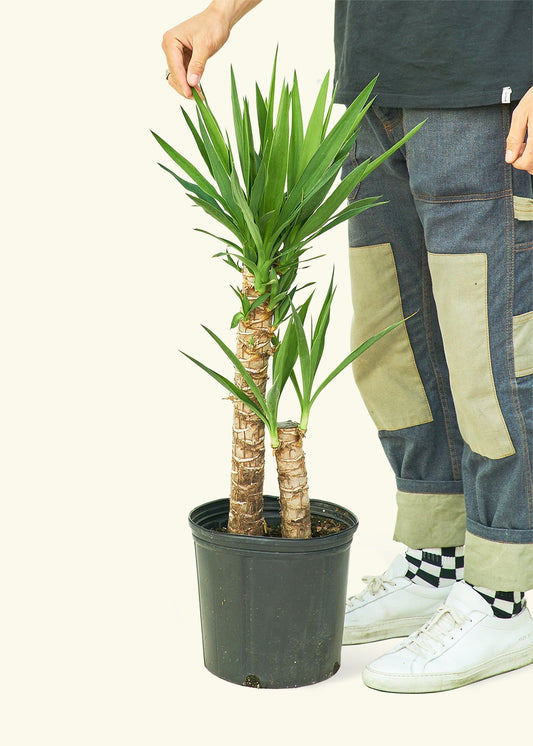
If you’re looking for a bold way to green up your space, floor plants are the go-to choice when you want to make a statement. These large, tall, or bushy indoor plants stand out, making them perfect for filling empty corners, creating focal points, and adding height to your decor.
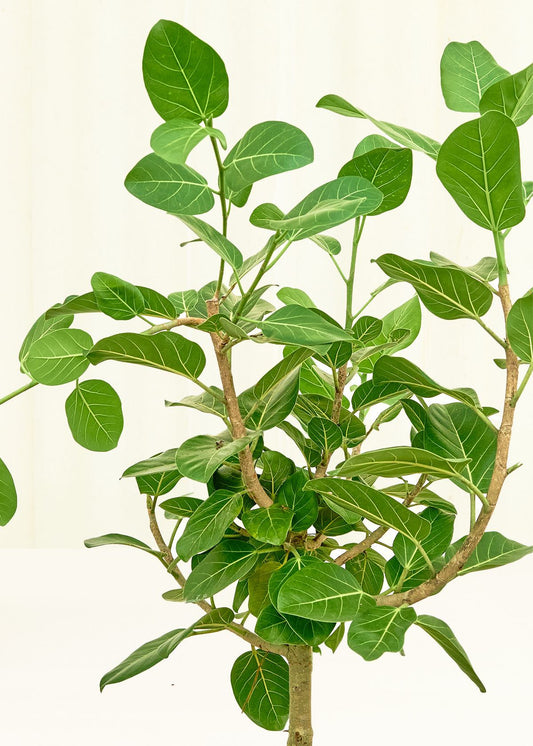
From leafy giants like the Swiss Cheese plant to elegant beauties like Ficus ‘Audrey’, our collection features different varieties and types to suit modern, boho, minimalist, or classic spaces.
Ideal for living rooms, sunrooms, bedrooms, and even large entryways, floor plants don’t just look good. They help purify the air, boost mood, and bring a natural balance to your home.
If you’re ready to refresh your room from the ground up, explore our full collection and find your perfect floor plant match.
Indoor Floor Plants: Care & Growing Guide
Floor plants bring a big visual impact, and with the proper care, they can thrive for years indoors. Because of their size and structure, they benefit from a slightly more thoughtful approach than smaller houseplants. Here’s how to help your floor plants stay vibrant and healthy.
Watering, Light, Humidity, and Temperature
Floor plants usually need deep watering, allowing moisture to reach the root zone. Water when the top 2-3 inches of soil are dry, and always empty excess from the drainage tray. Rotate the plant every couple of weeks to get even light on all sides. Most floor plants thrive in bright, indirect light and appreciate added humidity, especially tropical varieties like banana trees or Alocasia. Keep them in a stable environment with average indoor temperatures between 65°F and 80°F, away from cold drafts and heat vents.
Repotting, Soil, and Feeding
Because floor plants grow large, they need sturdy, supportive pots with proper drainage. Use a well-aerated potting mix suited to the species. Many tropicals prefer peat-based soil, while citrus trees benefit from slightly sandy mixes. Repot every 1-2 years or when roots start circling the pot. Choose a container just one size up to avoid water retention issues. Feed during spring and summer with a balanced liquid fertilizer every 4-6 weeks to encourage strong, healthy growth and lush foliage.
Propagation
Not all floor plants are easy to propagate, but some, like Rubber Trees and Monstera, can be multiplied through stem cuttings. Take a healthy cutting just below a node, remove lower leaves, and place it in water or moist soil until roots develop. Propagation allows you to shape a large plant and grow new ones for other areas of your home. Just remember that propagation can be slow with larger species, and not all varieties propagate easily indoors.
Pruning, Cleaning, and Common Issues
Regular pruning helps floor plants maintain their shape and prevents them from becoming leggy or top-heavy. Remove yellowing or damaged leaves with clean shears, and snip back overgrown stems just above a leaf node to promote bushier growth. Large leaves tend to collect dust, which can block light absorption. Wipe them gently with a damp cloth every few weeks. Common issues include drooping (from over- or underwatering), brown leaf tips (low humidity), or fading leaves (insufficient light). Check conditions and adjust care as needed to keep your plant thriving.
Select From a Variety of Lush Floor Plants
From bold foliage to tropical flair, our floor plant collection offers something for every interior style. Discover four standout picks at Hey Rooted that bring color, character, and life into your space.
Rubber Tree ‘Burgundy’
Description: With deep, glossy leaves tinged in dark maroon, the Rubber Tree ‘Burgundy’ (Ficus elastica ‘Burgundy’) is a dramatic yet easy-to-grow floor plant. Its upright growth habit and rich coloring make it a striking addition to minimalist or modern interiors.
Banana Tree
Description: The Banana Tree (Musa acuminata) brings a lush tropical look indoors with its large, paddle-shaped leaves. This fast-growing floor plant prefers humidity, making it a perfect choice for sunrooms, bathrooms, or bright living areas.
Key Lime Tree
Description: The Key Lime Tree (Citrus aurantiifolia) adds a refreshing citrus scent and glossy green leaves to your space. This compact fruit tree thrives in sunny spots and can even produce small limes indoors with the right care.
Alocasia ‘Regal Shields’
Description: Bold and dramatic, the Alocasia ‘Regal Shields’ (Alocasia adora x reginula) features velvety, dark green leaves with striking purple undersides. This sculptural plant brings a moody, tropical vibe and works beautifully in shaded corners or bright indirect light.
Frequently Asked Questions(FAQs)
What are floor plants?
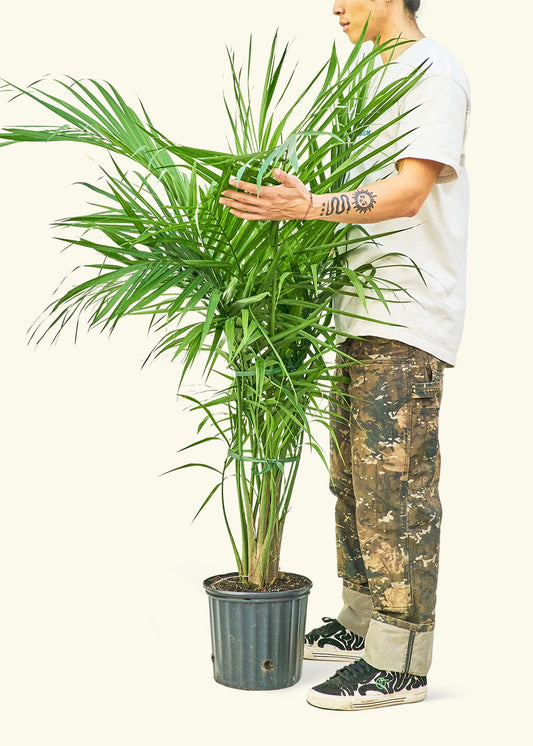
Floor plants are large houseplants that sit directly on the floor rather than on shelves or tables. They typically range from two to five feet tall and make a bold statement in living rooms, bedrooms, entryways, and offices.
What is the best floor plant for low light?
The Cast Iron Plant (Aspidistra elatior) and the Majesty Palm both tolerate lower light conditions well. For truly dim spaces, the Cast Iron Plant is one of the toughest options available — it thrives on neglect and doesn't need much sun at all.
How tall do indoor floor plants grow?
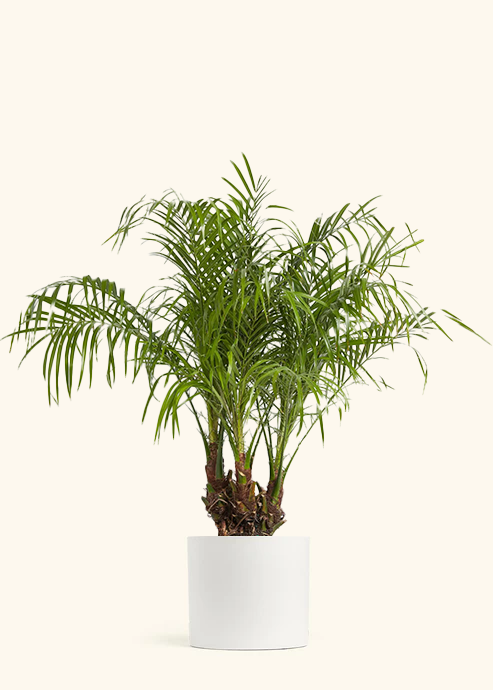
It depends on the variety. Most floor plants sold at Hey Rooted range from two and a half to five feet at the time of purchase. Given the right conditions, species like the Ficus Audrey, Bamboo Palm, and Banana Tree can grow considerably taller over time indoors.
How often should I water my floor plant?
Most floor plants prefer to dry out slightly between waterings. A good rule of thumb is to check the top two inches of soil — if it's dry, it's time to water. Palms and tropical varieties like the Majesty Palm enjoy slightly more consistent moisture, while cacti and succulents like the Monstrose Cactus need far less frequent watering.
Are floor plants safe for pets?
Not all floor plants are pet friendly. Cacti, Ficus varieties, and Alocasias can be toxic to cats and dogs if ingested. If you have pets, look for options in our Pet Friendly Plants collection, which includes vetted non-toxic varieties suitable for homes with animals.
Do floor plants need repotting?
Yes, most floor plants will eventually need repotting — usually every one to two years as they outgrow their containers. Signs it's time to repot include roots growing out of the drainage holes or the plant drying out unusually quickly after watering. When repotting, choose a pot only one to two inches larger in diameter to avoid overwatering issues.
What are the best floor plants for beginners?
The Peruvian Apple Cactus, Cast Iron Plant, and Bamboo Palm are all great choices for beginners. They're forgiving with watering, adaptable to a range of light conditions, and don't require a lot of fuss to keep healthy. You can also browse our Plants For Beginners collection for more easy-care options.
Can floor plants improve indoor air quality?
Yes — many large floor plants are known to help filter indoor air by absorbing pollutants and releasing oxygen. Palms in particular are recognised as excellent air-purifying plants. For a curated list of the best options, visit our Air Cleansing Plants collection.
Shop for Vibrant Floor Plants at Hey Rooted Today!