
How to Get Orchids to Rebloom: The Ultimate Guide

How to Get Orchids to Rebloom: The Ultimate Guide
Orchids are beautiful, flowering plants with long-lasting blooms. Popular as gifts, orchids are perfect for growing indoors with minimal care. But once their gorgeous flowers start to wilt, many novice plant enthusiasts get disheartened. If you’re one of them and unsure if these beauties will flower more than once, you’ve come to the right place. When the blossoms wilt, don’t give up on your orchid! With proper care, it will rebloom in a few months.
Keep reading to learn how to get orchids to rebloom so that they fill your home again with spectacular flowers.
About Orchids

Orchids are beautiful, easy-care indoor plants with marvelous, long-lasting flowers; no wonder they’re among the emost popular flowering plants. Most orchids have glossy, bright green leaves and flowers that grow on long, slender stems. Orchids are easy to care for once you know how they grow in their native habitat. Orchids are native to the tropical regions of Asia. They’re epiphytes that grow on trees or fallen logs. Instead of regular soil, they grow in bark and moss, and they supplement their nutrients and minerals from rainwater or humid air.
There are over 25,000 orchid varieties. Some of the most popular ones for growing indoors are moth orchids, dendrobiums, and cattleya orchids. Another benefit of these beautiful plants is that they’re non-toxic and safe for your pets. Orchid flowers traditionally symbolize beauty, grace, and elegance.
Orchid blooms come in a variety of gorgeous colors, from the snowy purity of the White Orchid and sunny Yellow Orchid to the dramatic magenta tones of the Purple Orchid.
With our guide’s help, you’ll learn what stimulates orchids to bloom so you can enjoy these spectacular flowers year-round.
When Do Orchids Bloom?
Orchids are prolific bloomers, but during what months do orchids flower? The most frequent blooming time for orchids is anywhere from November to March. Depending on their variety, some will flower throughout the summer in the right conditions.
How Often Do Orchids Bloom?
If you’re new to orchids, you may wonder if orchids bloom more than once. Well, most orchids can produce beautiful flowers a couple of times a year, such as the Phalaenopsis orchid (also known as the Moth orchid). Some Vandas and Oncidiums often bloom multiple times with the right attention and care. Peristeria elata (the rare Dove orchid) will bloom just the once, in the middle of winter.
How Long Do Orchids Bloom for?
How long do orchids stay in bloom? The duration of Orchids’ blooming season varies, depending on the type. Moth orchids usually bloom for two to three months. In some cases, you’ll have to wait for six to nine months to see more blooms. To prolong their blooming, keep temperatures from 65°F to 75°F with above-average humidity.
But how do you get orchids to rebloom? It’s not as hard as it may seem.
How Do You Get Orchids to Flower Again?

So, how do you keep orchids blooming? Remember that the better the plant’s growing conditions, the more likely it is to rebloom soon. Simply put, your orchid will bloom more frequently if it gets sufficient nutrients, enough light, and balanced watering.
Here’s what triggers orchids to flower again:
- Bright, indirect light: Provide plenty of bright, diffused light for your orchids to encourage new blooms. Avoid direct light, though, to protect the leaves from burns.
- Cooler night temperatures: Warmer day temperatures (70°F) and cooler night temperatures (60°F) will initiate the formation of new flower spikes. This happens naturally in an average home when the night temperatures drop in the fall and winter.
- Fertilizing: Start feeding your orchid monthly with an orchid-specific, diluted fertilizer for orchids to bloom in the next few months.
- Right watering routine: Only water once every 10 days to two weeks when the top layer of bark is dry. The roots look silvery grey when the orchid needs water; if they’re green, the orchid’s still well hydrated.
How to Make Orchids Bloom Constantly Indoors?
Are you wondering how to get orchids to flower for months? The best approach is to maintain favorable growing conditions that resemble their natural habitat. Bright light, higher humidity (around 50%), and a balanced temperature that drops slightly at night are essential for your orchid to thrive and produce new blooms. Also, feed these wonders with a bloom booster after the first blooms.
Some more experienced orchid lovers attempt to stress the plant by keeping the soil dry for longer than the plant requires, in the hope that their orchids will rebloom. Balance is key, as this method can do the opposite if you’re not careful. Finally, cutting the spike just above a node can also encourage more frequent blooming.
How to Care for Indoor Orchids After Flowering

After orchids stop blooming, they rest for some time to conserve energy and then grow new roots and leaves. If you’re unsure of how to care for orchids after they bloom, remember that they need to regain their strength, and your task is to support their growth and prevent them from dying.
How to Know If an Orchid Is Done Blooming
You’ll know that your orchid is finished blooming when all the flowers on its flower spikes have wilted, and the stems have turned brown without fresh new buds.
What to Do With Orchids After They Bloom
Once your orchid’s blooms fade away and fall off, it indicates that the flowering phase (often the first) has come to an end. But should orchids be cut back after flowering? Or is there anything else that you need to consider?
Here’s what you need to know about orchid care after blooming:
- Remove dry flowers: Trimming an orchid’s spent flowers helps it focus on producing new flower spikes.
- Remove brown stems: If the stem has turned completely brown, cut it at the base to encourage new growth in a few months.
- Leave any green stems: Don’t hurry to remove orchid flower spikes that are still green. Cut them to the third node, and the orchid may bloom on the older spike.
- Clean the leaves: Wipe the leaves with a soft, damp cloth to remove dust. This will help your orchid photosynthesize better.
- Provide the right conditions: Ensure your orchid is in bright, indirect light, water it when the top soil dries out, and keep it in cooler temperatures at night.
- Fertilize: Feed with balanced fertilizer (for orchids) once a month to promote new blooms.
Read also: How to Get Hoya to Bloom
How to Get an Orchid to Rebloom: FAQs
Q: Do orchids rebloom on old stems?
A: Many varieties, including moth orchids, will often rebloom on old stems. Don’t cut them unless they’ve turned brown.
Q: How do you trim an orchid so it will bloom again?
A: If the flower stems are still green after blooming, simply prune them to the second or third node from the base. Remove the brown stems.
Q: How many months of the year do orchids bloom?
A: With many orchids blooming twice a year and blooms that last for two to three months, orchids may stay in bloom for six months throughout the year. If you have more than one plant, their flowering times may differ, ensuring that you never run out of blooms.
Q: What can I put on my orchid to make it bloom?
A: Fertilizers high in phosphorus are recommended for promoting blooms. Many homemade fertilizer recipes include the use of rice, milk, or banana peels.
Q: Why does my orchid grow leaves but no flowers?
A: Orchids may fail to bloom in low light. Another possible reason is feeding with nitrogen-rich fertilizers, which promote leaf growth instead of bloom production.
Q: What do you do with an orchid after the blooms fall off?
A: Trim the dried stems and keep your orchid in a slightly cooler location, watering sparingly.
Conclusion
Growing beautiful orchids is relatively easy. Orchids can bloom several times a year as long as they’re healthy and properly cared for.
Knowing how to get orchids to flower again begins with the right care, which includes sufficient light and nutrients. Keeping them in a cooler spot at night also stimulates blooming.
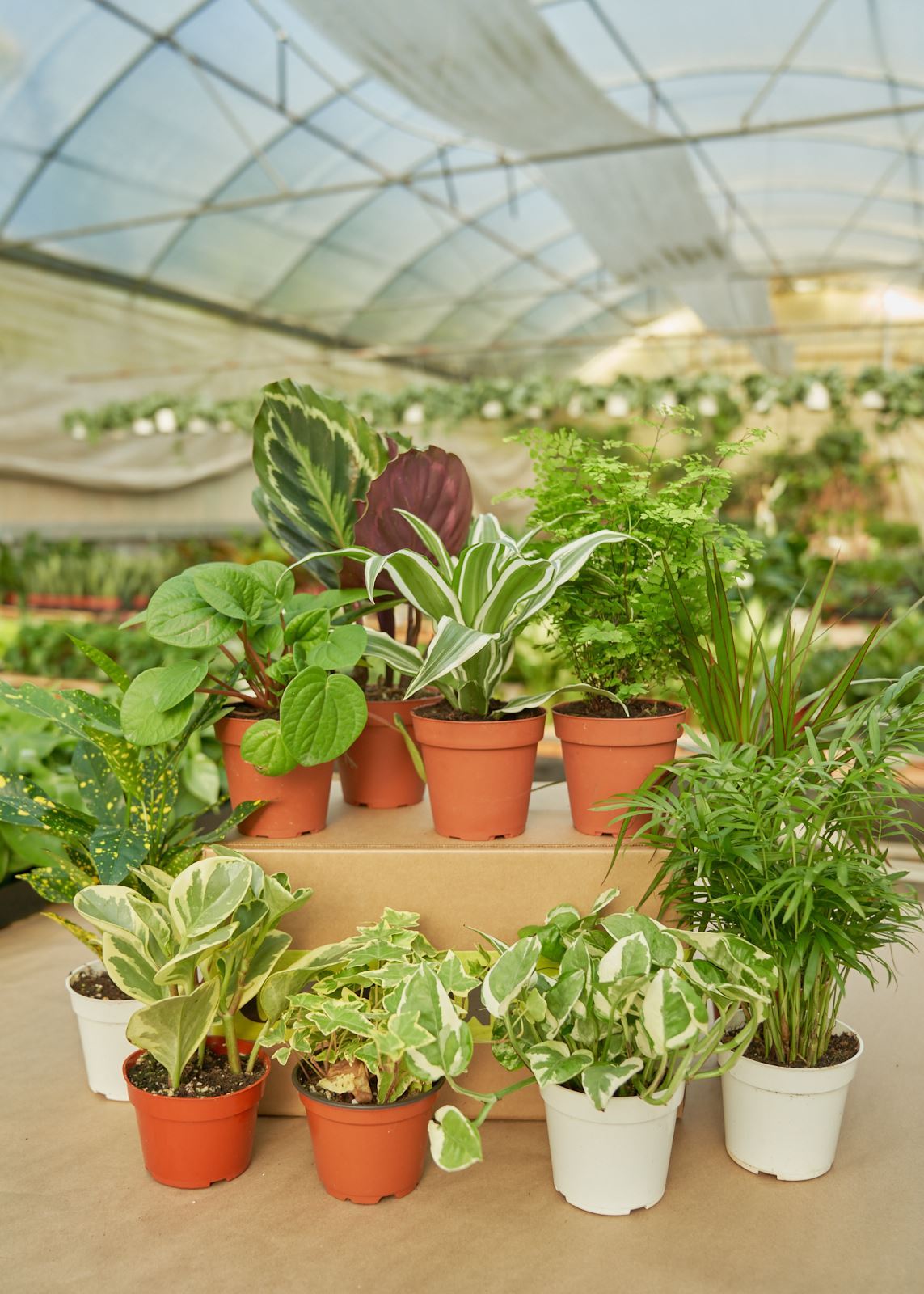
Grow your orchid together with lush foliage plants, like the easy-care Pearls and Jade Pothos or the charming Variegated Baby Rubber Plant, for the ultimate tropical look.


