Do Ferns Need Sun? A Guide to Fern Light Requirements
Do ferns need sun? It’s one of the most common questions plant lovers ask, especially since these leafy plants are often associated with shady forest floors. While many ferns thrive in lower light conditions, the truth is that ferns' sunlight needs vary depending on the species. Some prefer bright, indirect light, while others can tolerate more sun than you might expect.

Do ferns need sun? It’s one of the most common questions plant lovers ask, especially since these leafy plants are often associated with shady forest floors. While many ferns thrive in lower light conditions, the truth is that ferns' sunlight needs vary depending on the species. Some prefer bright, indirect light, while others can tolerate more sun than you might expect.
So, do ferns like sun or shade? The answer depends on the variety, growing environment, and what type of light your home or garden receives. Understanding fern light requirements will help you choose the right plant and keep it thriving year-round.
About Ferns

Ferns are timeless foliage plants known for their delicate fronds, lush greenery, and ability to adapt to a variety of indoor and outdoor environments. With thousands of species available, ferns range from compact tabletop plants to large, dramatic statement pieces. Popular houseplant varieties include the Boston Fern, Silver Lace Fern, and Heart Fern, each offering unique textures and growth habits. While many ferns are considered easy to moderately easy to care for, their light needs can vary. Some of these tropical beauties thrive in lower light conditions, while others prefer brighter, indirect sunlight.
Beyond their beauty, fern plants are often associated with tranquility, growth, and renewal. They can help create a calming atmosphere, improve indoor aesthetics, and even support air quality. Most common houseplant ferns are also pet-friendly, making them a great choice for homes with cats and dogs. However, understanding their specific fern light requirements is key to keeping them healthy and vibrant.
So, do ferns need a lot of light?
How Much Sun Do Ferns Need?

How much sunlight ferns need depends on the variety. Most ferns naturally grow under tree canopies, which means they prefer bright, indirect light rather than strong direct sun. However, some sun-tolerant ferns can handle partial sun, especially outdoors. Understanding fern sun requirements helps you place your plant where it receives enough light without damaging its delicate fronds.
What Kind of Light Do Ferns Need?
Most ferns thrive in bright, filtered light that mimics their natural environment. While some low-light ferns can tolerate shadier spots, many still need consistent light to stay healthy. Avoid harsh direct sunlight, as it can scorch leaves. Instead, aim for gentle, indirect light throughout the day.
Do Ferns Prefer Morning or Afternoon Sun?
Ferns generally prefer morning sun because it is softer and less intense. Afternoon sun can be too strong, drying out or burning their ronds. East-facing windows or lightly shaded outdoor areas usually provide the best balance for most fern light needs.
Fern Light Requirements: Problems & Fixes

Fern light requirements vary widely. Some thrive in bright, indirect light, while others adapt well to shaded areas. This often leads to confusion. Many novice gardeners ask themselves, “Are ferns low-light plants?” The truth is that most ferns fall somewhere in between. They usually prefer gentle, filtered light, but understanding your specific plant’s needs will help prevent common lighting problems.
Do Ferns Like Direct Sunlight?
Most ferns don’t like direct sunlight, particularly during the hottest part of the day. If they are exposed to harsh sun in the summer, their delicate fronds can easily burn. However, some adaptable ferns can handle more light than others. For example, the Kimberley Queen Fern and Asparagus Fern can tolerate brighter conditions. So, are there any ferns that can take full sun? Yes, but these are typically hardy outdoor species, and even they often benefit from protection during intense afternoon heat. Certain outdoor varieties, including Lady Ferns and Cinnamon Ferns, can handle full sun in cooler climates.
Explore More Fern Plants

Can Ferns Get Too Much Sun?
Yes, fern plants can easily be overexposed to light if you, for instance, forget to draw a sheer curtain in the afternoon (in a south or west-facing room). Do ferns tolerate afternoon sun? Most varieties don’t, especially indoor ferns with delicate foliage. Too much sunlight can quickly cause leaf damage and overall stress.
Signs of too much sun include:
- Brown or crispy leaf edges
- Faded or bleached fronds
- Dry, brittle foliage
- Curling or wilting leaves
- Rapid soil drying
If your fern shows these signs, move it to a spot with bright, indirect light. You can also place sheer curtains over windows, relocate the plant slightly away from direct sun, or move outdoor ferns to a partially shaded area. These simple adjustments usually help your plant recover.
Do Ferns Do Well in Low Light?
Some ferns do well in low light, while others need brighter conditions to thrive. Can ferns survive in low light? Yes, varieties like the Boston Fern, Bird’s Nest Fern, and Blue Star Fern often tolerate lower light levels. However, even low-light ferns still benefit from some indirect light to maintain healthy growth.
Ferns Low Light: Signs of Too Little Light
When ferns don’t get enough light, they may start to show signs of slow growth or declining health. Also, although ferns prefer moist soil, yours may exhibit symptoms of overwatering and root rot because the soil stays waterlogged without sufficient lighting.
Signs of too little light include:
- Pale or yellowing leaves
- Leggy or stretched growth
- Sparse or thinning fronts
- Slow or stalled growth
- Dropping leaves
- Soggy roots
If your fern shows these signs, move it closer to a bright window with filtered light. Rotating the plant occasionally and supplementing with a grow light can also help improve growth and keep your fern looking lush.
Ferns Light Requirements: FAQs
Q: Which ferns are best for full sun?
A: Many ferns prefer indirect light, but some varieties don’t mind full sun if those are the conditions they’re given. These include Kimberly Queen Ferns, Asparagus Ferns, and outdoor varieties, such as Cinnamon Ferns and Lady Ferns. These sun-tolerant ferns thrive best in cooler climates or if they’re provided with some respite from intense summer afternoon heat. Even ferns that love the sun will perform better with partial shade during the hottest part of the day.
Q: Which ferns need the least light?
A: Several of these low-light plants adapt well to shadier spaces indoors. Boston Ferns, Blue Star Ferns, and Bird’s Nest Ferns are the best options for low-light conditions. They can tolerate lower light levels, but will also benefit from occasional bright, indirect light to maintain healthy growth.
Q: Can ferns grow in shade?
A: Yes, many ferns naturally grow in shaded environments, making them excellent choices for low-light areas. Fern sunlight needs are generally modest, and wide varieties thrive in filtered or indirect light. However, even shade-loving ferns usually require some natural light to stay healthy.
Q: Where is the best place to put ferns?
A: The best place to put ferns is near bright, indirect light, such as an east- or north-facing window. Bathrooms, kitchens, and shaded patios are also ideal as ferns prefer humidity and gentle light.
Conclusion
Understanding fern light requirements is key to keeping these lush, leafy plants healthy and vibrant. While many ferns prefer bright, indirect light, some varieties tolerate lower light, and a few sun-tolerant ferns can handle brighter conditions. The key is to match your fern's sunlight needs to the right location and watch for signs of too much or too little light. With proper placement, correct watering, and the right humidity, ferns are easy to grow and bring natural beauty to any space.
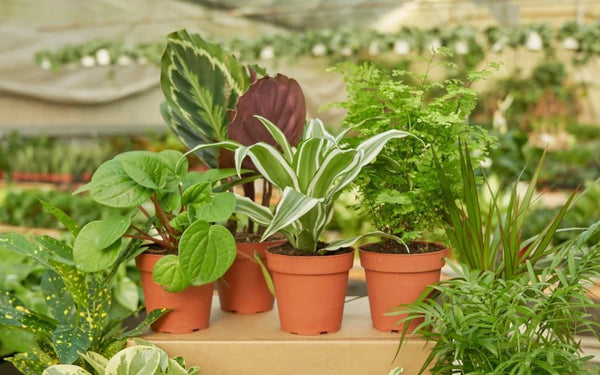
Ferns also pair beautifully with other foliage plants. Try growing them alongside Calathea Rattlesnake (Calathea lancifolia), Lemon Lime Prayer Plant (Maranta leuconeura 'Lemon Lime'), or Peperomia Rosso (Peperomia caperata 'rosso') to create a layered, textured indoor display with similar light and humidity needs.