Purple Passion Plant Care Guide
About Purple Passion Plant
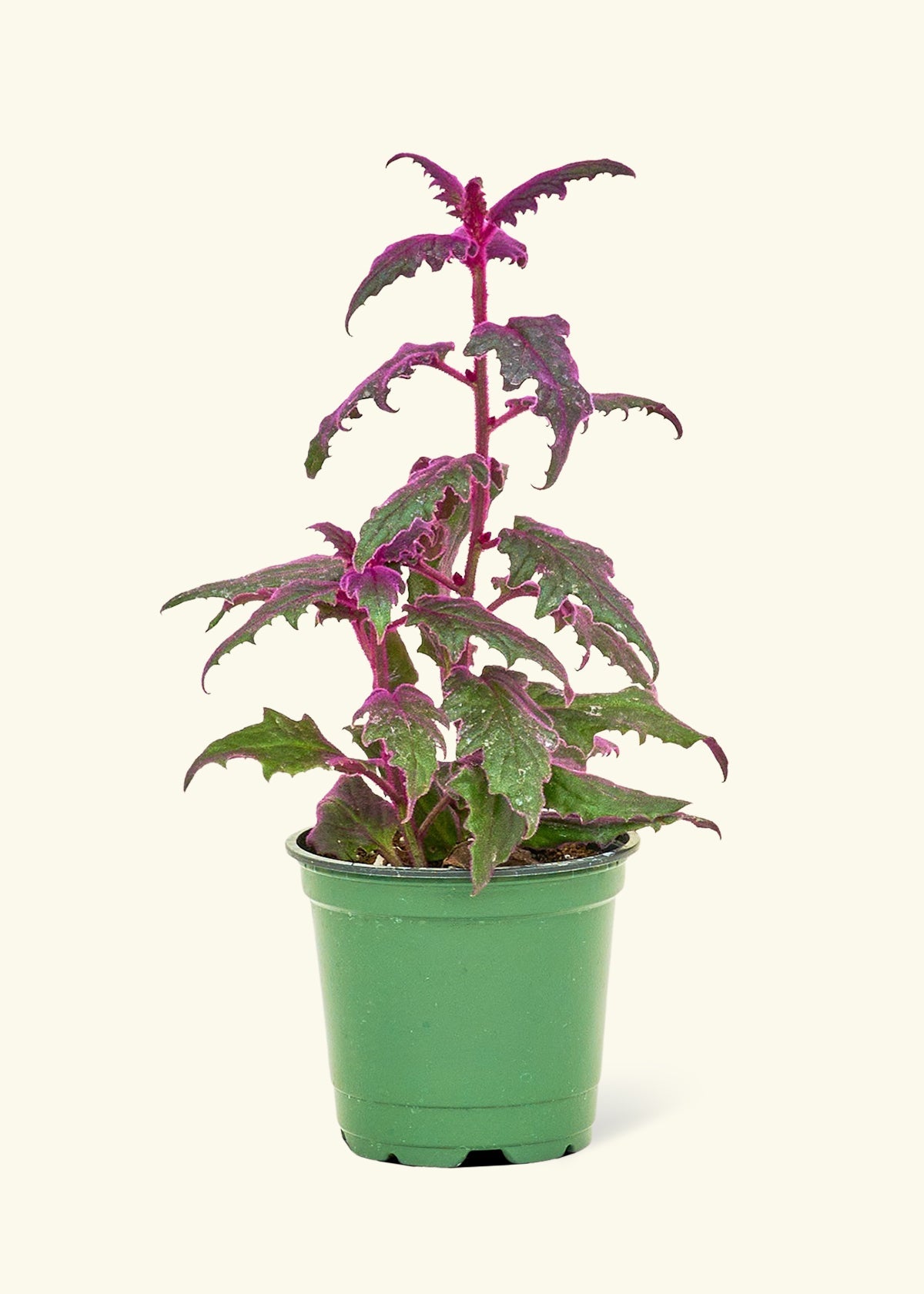
The Purple Passion Plant (Gynura aurantiaca), also known as the Purple Velvet Plant, is a charming tropical plant that boasts unique velvety, fuzzy leaves in purple and green. It produces small orange flowers, which are best removed because of their unpleasant smell that can quickly fill a room. The Purple Passion belongs to the Asteraceae family and is native to Southeast Asia (Java, Indonesia, etc.). It prefers warm environments and relatively high humidity, and can be grown outdoors in hardiness zones 10–12.
This delightful climbing plant is pet-friendly, so your cat or dog will be completely safe around it. The Gynura aurantiaca purple passion symbolizes intuition, creativity, and deep emotion.
Purple Passion Plant: Benefits
Gynura Aurantiaca Care: Growing Tips
Purple Passion care is very easy; this beauty is ideal for beginners and busy plant lovers. Check out our tips below on how to care for Purple Passion plant the right way:
Purple Passion Plant: Light Requirements & Temperature
- Light: The Purple Passion Plant needs bright, indirect sunlight, which triggers the strong purple color of its fuzzy leaves.
- Temperature: Temperatures ranging from 60°F to 80°F are ideal for your Purple Passion plant.
Pink Purple Passion Plant: Watering & Humidity
- Watering: Purple Passion Plants don’t like soggy soil. Bottom watering is recommended to avoid moisture touching the fuzzy leaves accidentally.
- Humidity: Humidity levels of 50-65% are best for this velvety plant. Don’t mist it; use a humidifier if needed instead.
Purple Passion Plant: Soil, Fertilizer, and Repotting
- Soil: A light potting mix, rich in organic matter that drains well, is best. This plant prefers slightly acidic soil for best results.
- Fertilizer: Feed seasonally with a balanced liquid fertilizer during the spring and summer.
- Repotting: Repot once every 1-2 years in early spring; use a slightly larger pot than the previous one, as Purple Passion plants thrive if snug and a little bit rootbound.
Purple Passion Plant: Propagation
Propagating a Purple Velvet plant is pretty easy; use 3-inch-long stem cuttings and plant them directly in moist soil. You can also root those in a glass of water. Change the water every few days until the roots show. Wait until they grow a bit and look strong, and then transplant the cuttings into pots filled with soil.
Purple Velvet Plant: Problems and Pruning
Low-light exposure slows growth and causes the bright purple fuzz on its leaves to fade. Another issue can be trapped moisture in the furry hairs of the leaves from incorrect watering, which can result in rot. Droopy leaves are a sure sign of underwatering. Prune leggy stems for a bushier look and regularly inspect for sap-sucking pests that hide in the fuzz, such as aphids and spider mites.
Purple Passion Plant: Companion Plants & Placement Options
With its striking, deep-purple fuzzy leaves, the Purple Passion Plant brings style and joy to any space. Whether as a standalone plant or as a lovely addition to your indoor jungle, this beauty will brighten up your home or office.
Great to Place on
Place your stunning Purple Passion Plant on a windowsill, slightly away from direct sunlight, or decorate a shelf or your home office desk to uplift your mood every time.
Purple Velvet Plant Grows Well With
Your Gynura aurantiaca will stand out in any bright spot as a focal point, but it can also be part of a larger plant display and add both color and texture.
- Syngonium White Butterfly: Pair your Purple Passion with an elegant White Syngonium for the perfect, bold contrast.
- Spider Plant: The cheerful Spider Plant is an amazing companion plant that is very easy to care for.
- Calathea Musaica: The bright green foliage with a mosaic-like pattern of Calathea Musaica contrasts nicely with the purple fuzzy leaves of your Purple Velvet plant.
Shop for Purple Passion Plant for Sale at Hey Rooted Now!




 Care level: No sweat
 Light: Medium
 Pet friendly
 Water: Once a week


