Jade Plant Care Guide
About Jade Plant
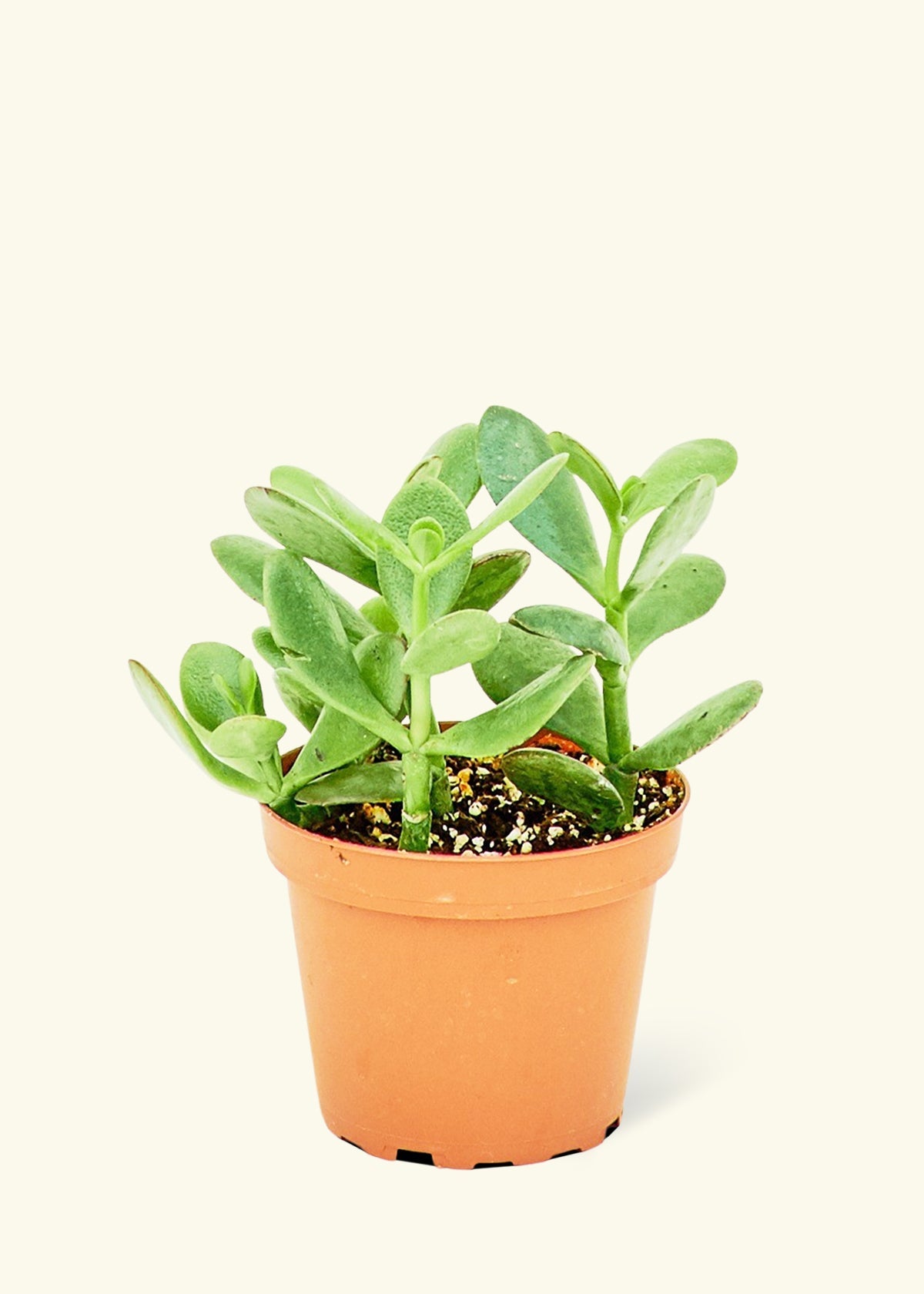
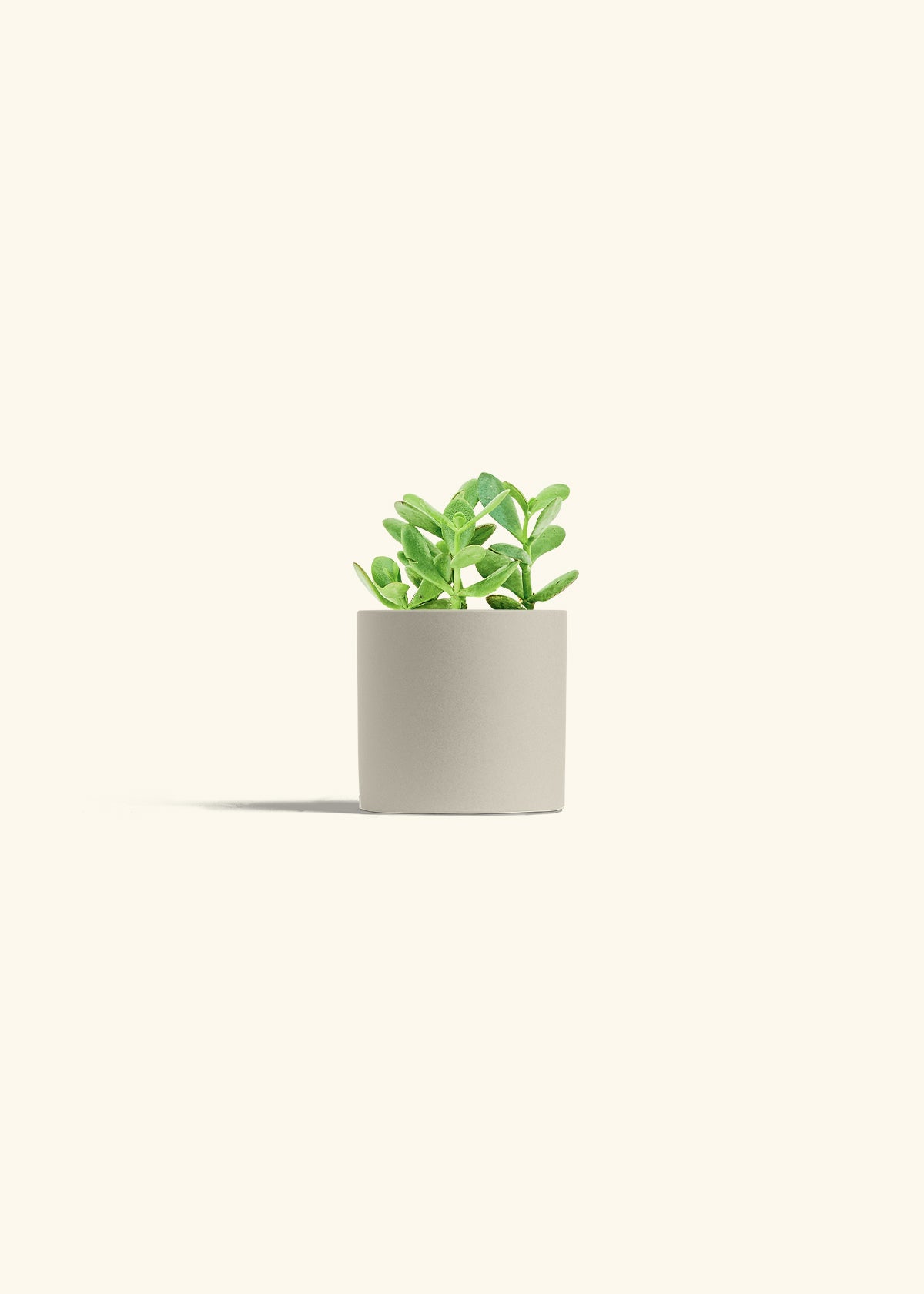
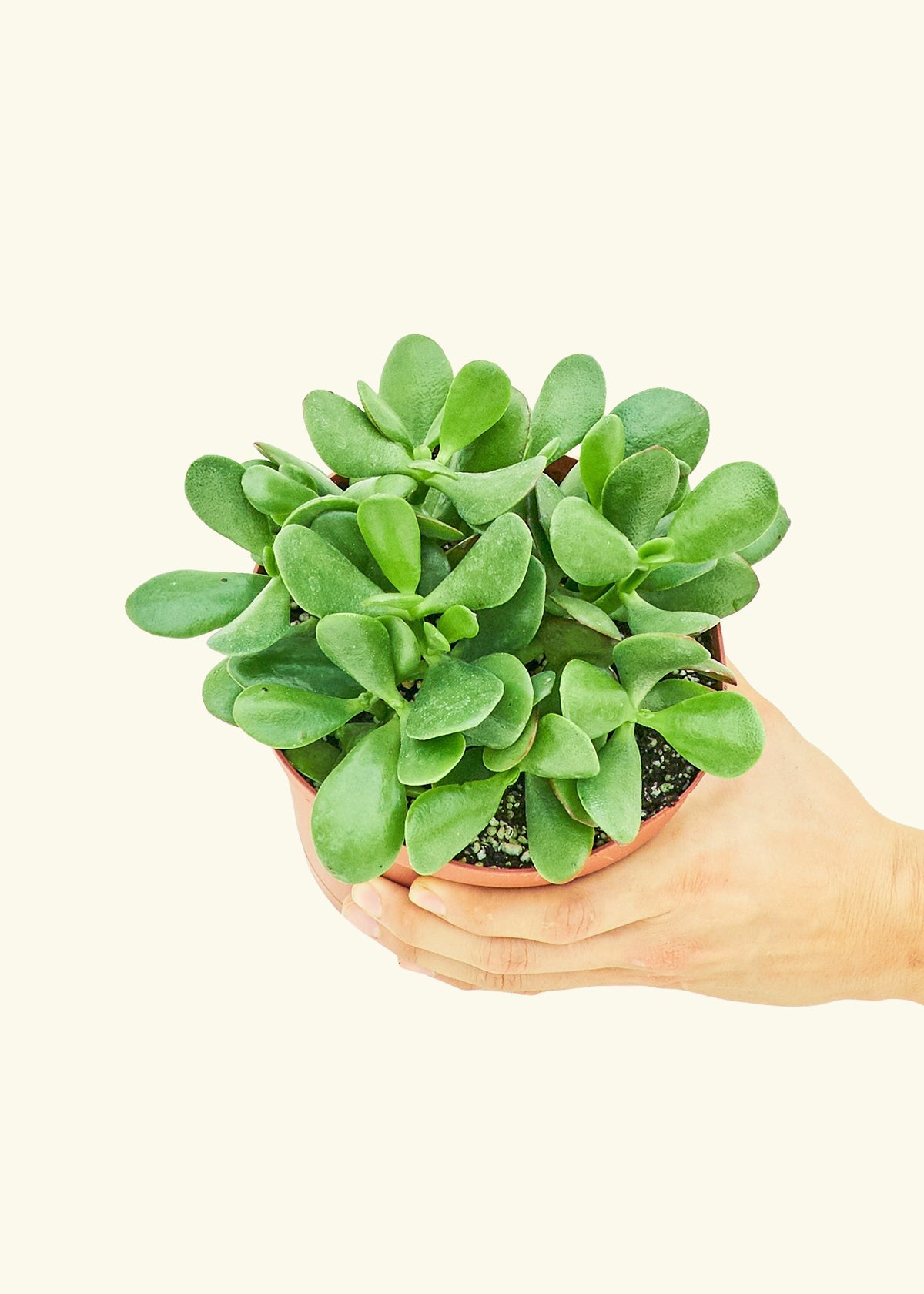
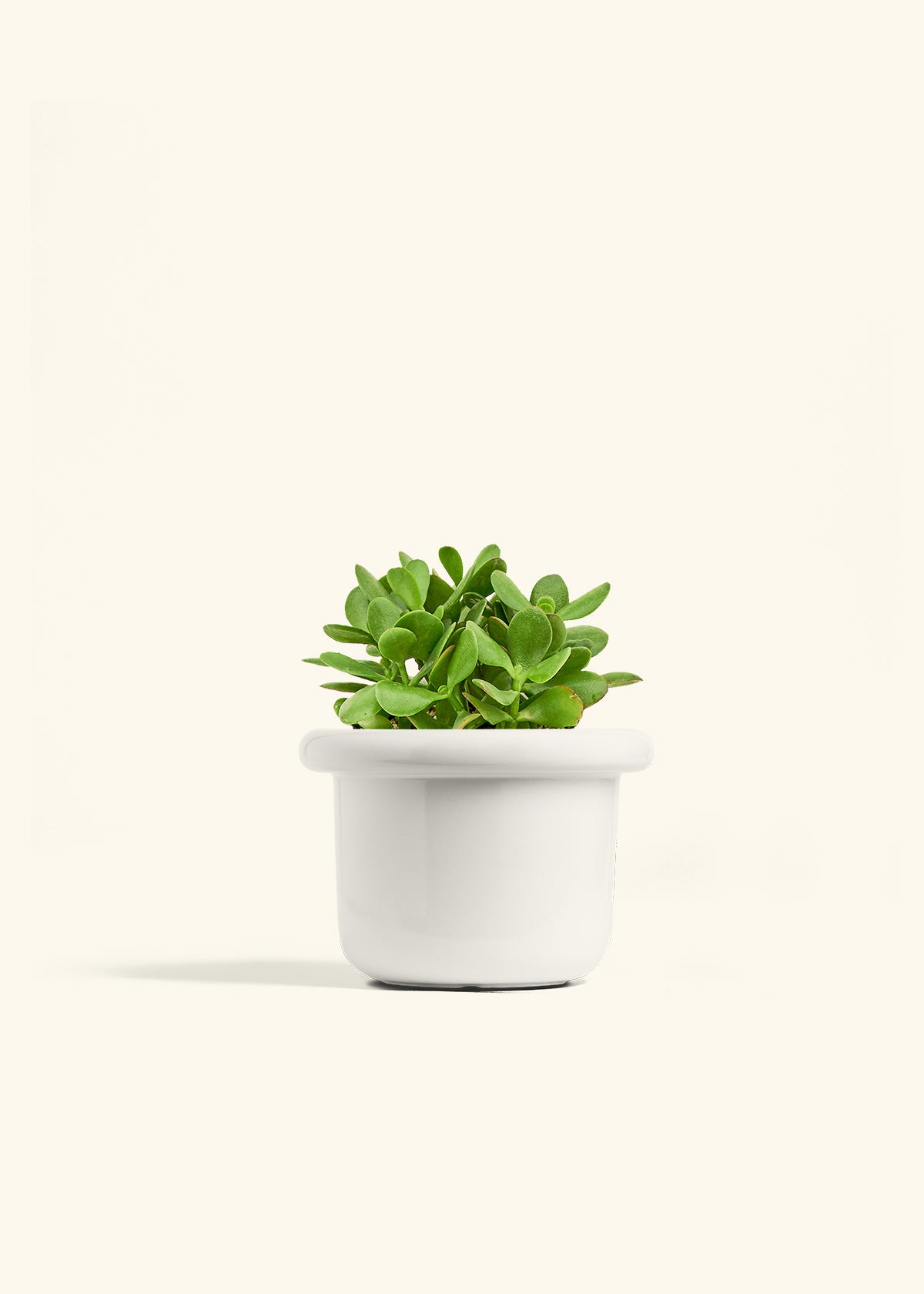
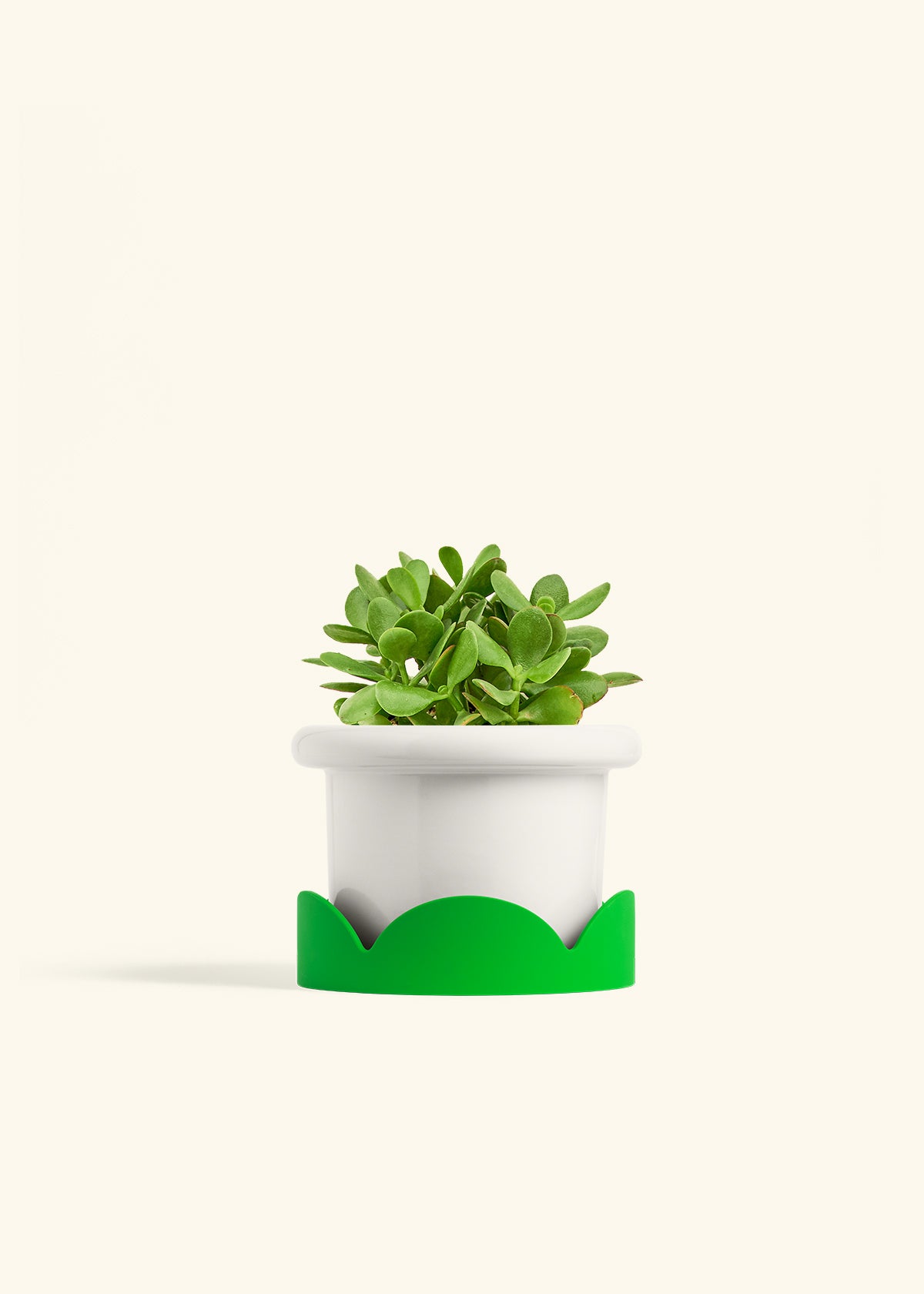
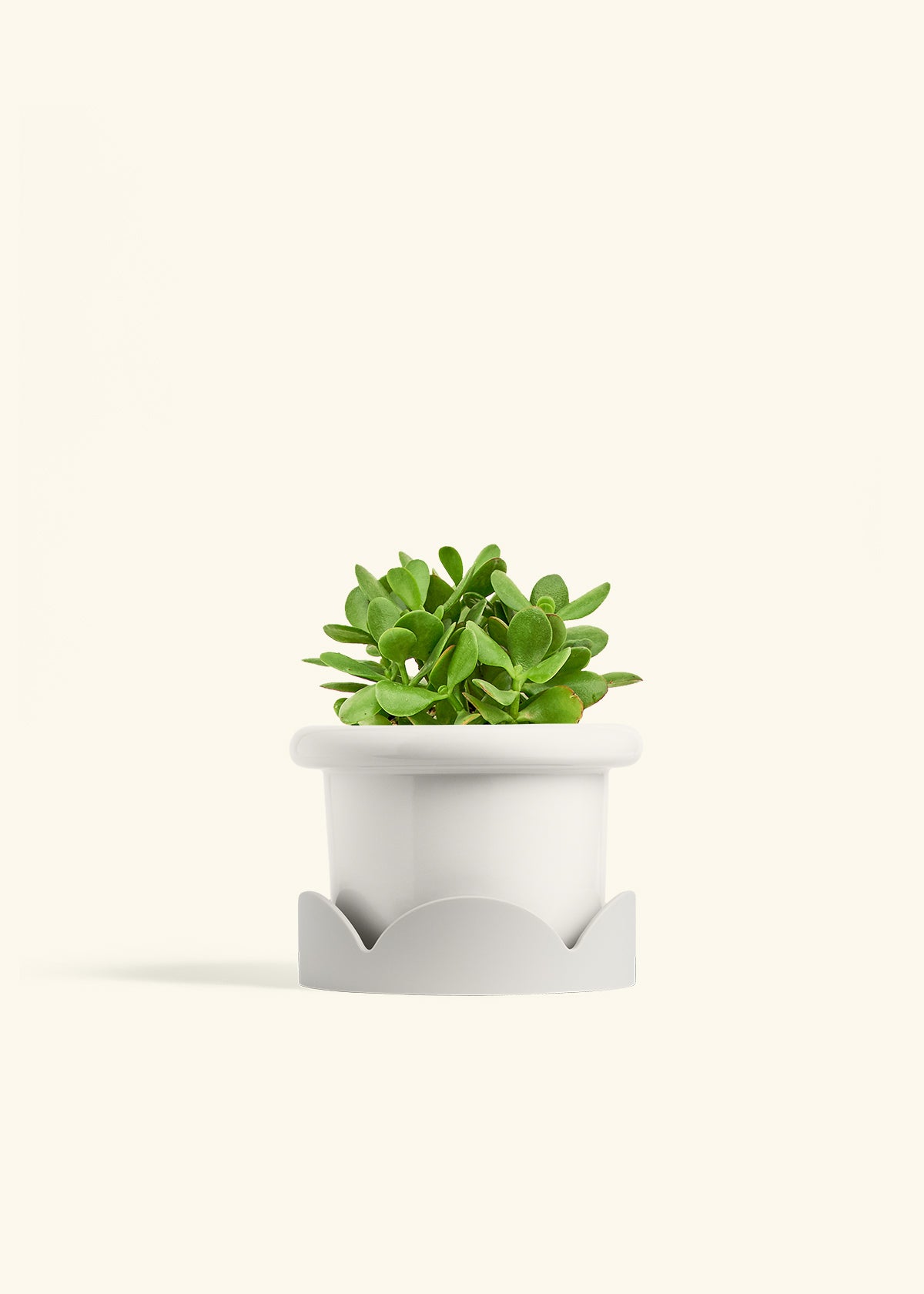
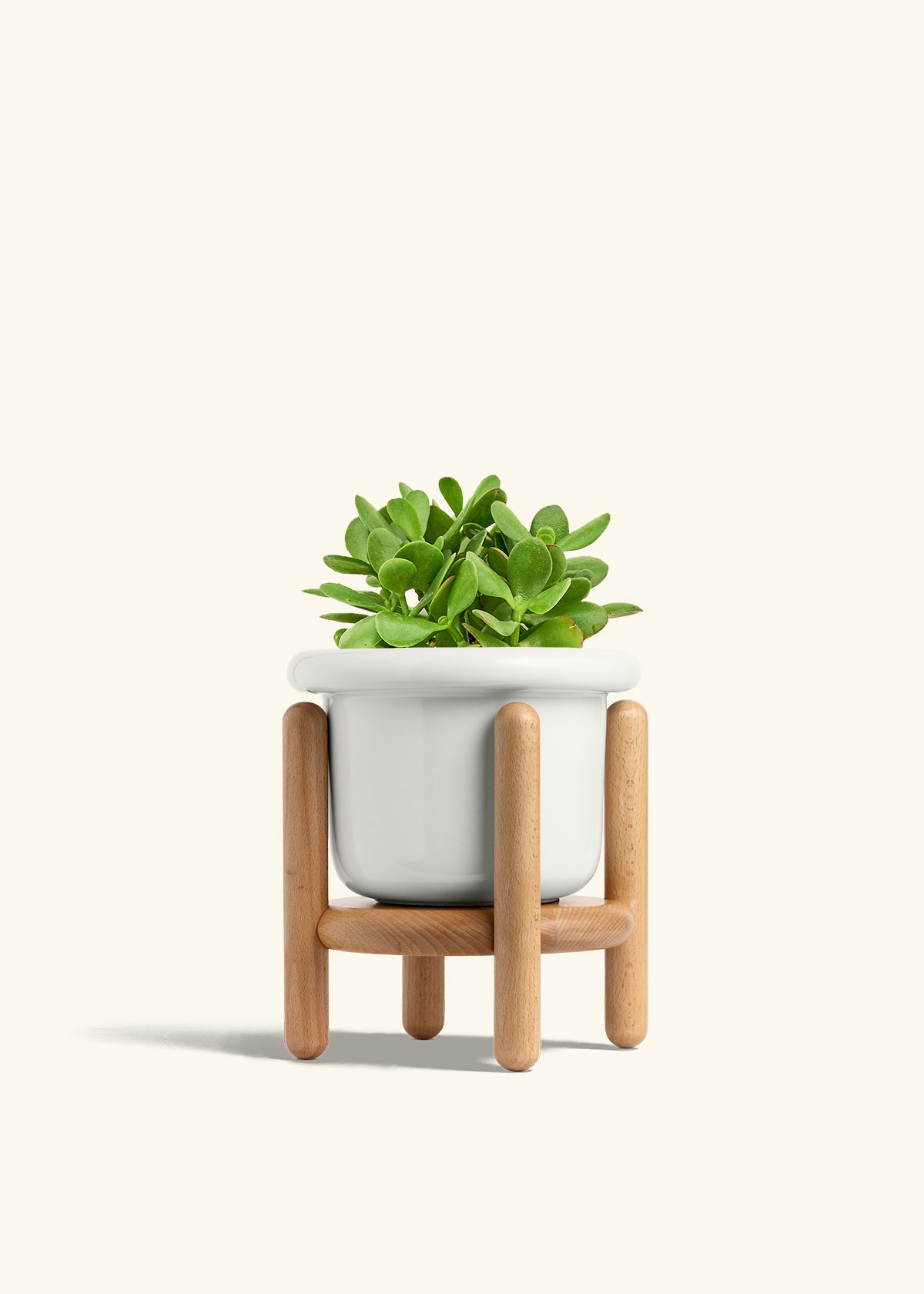
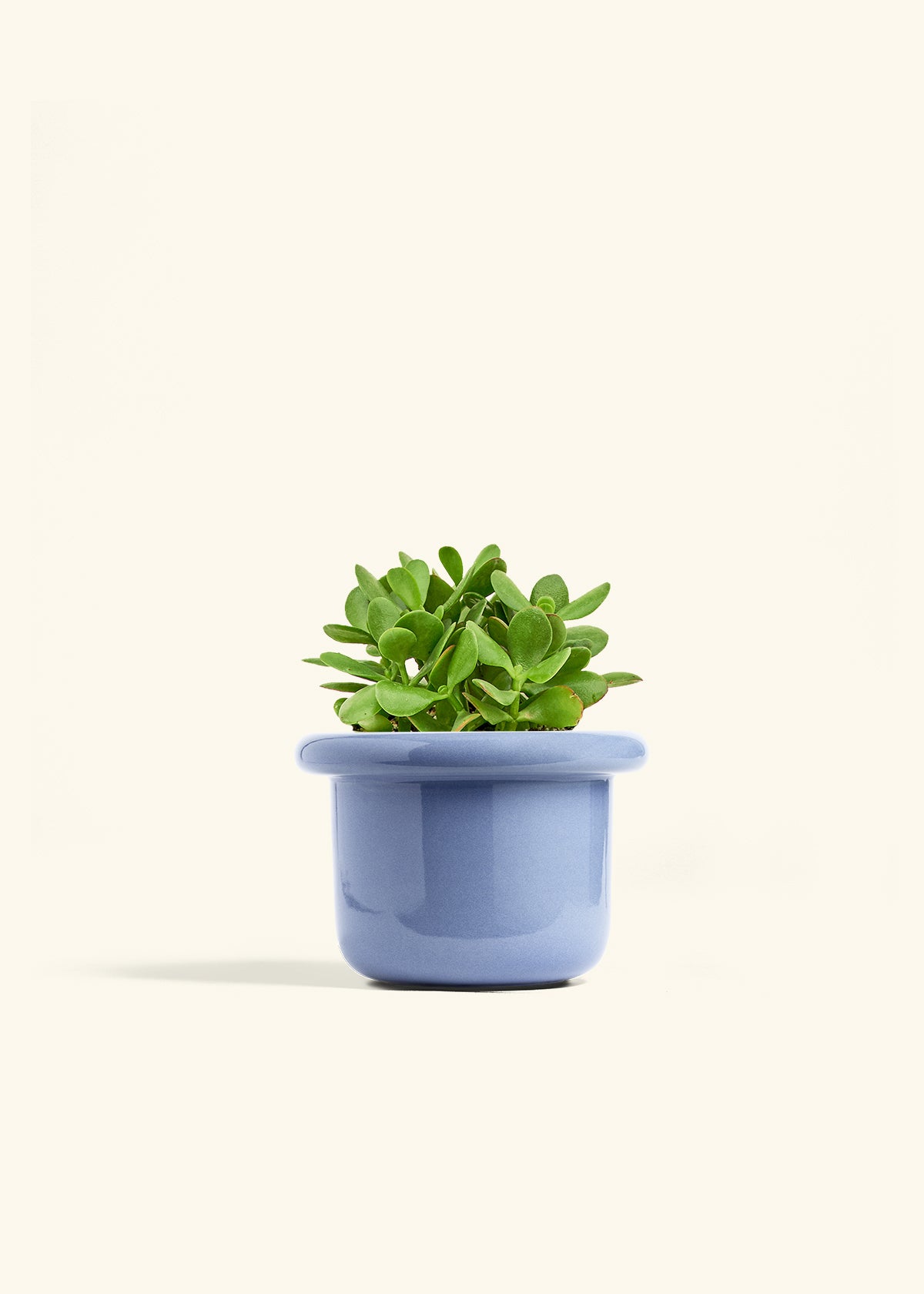
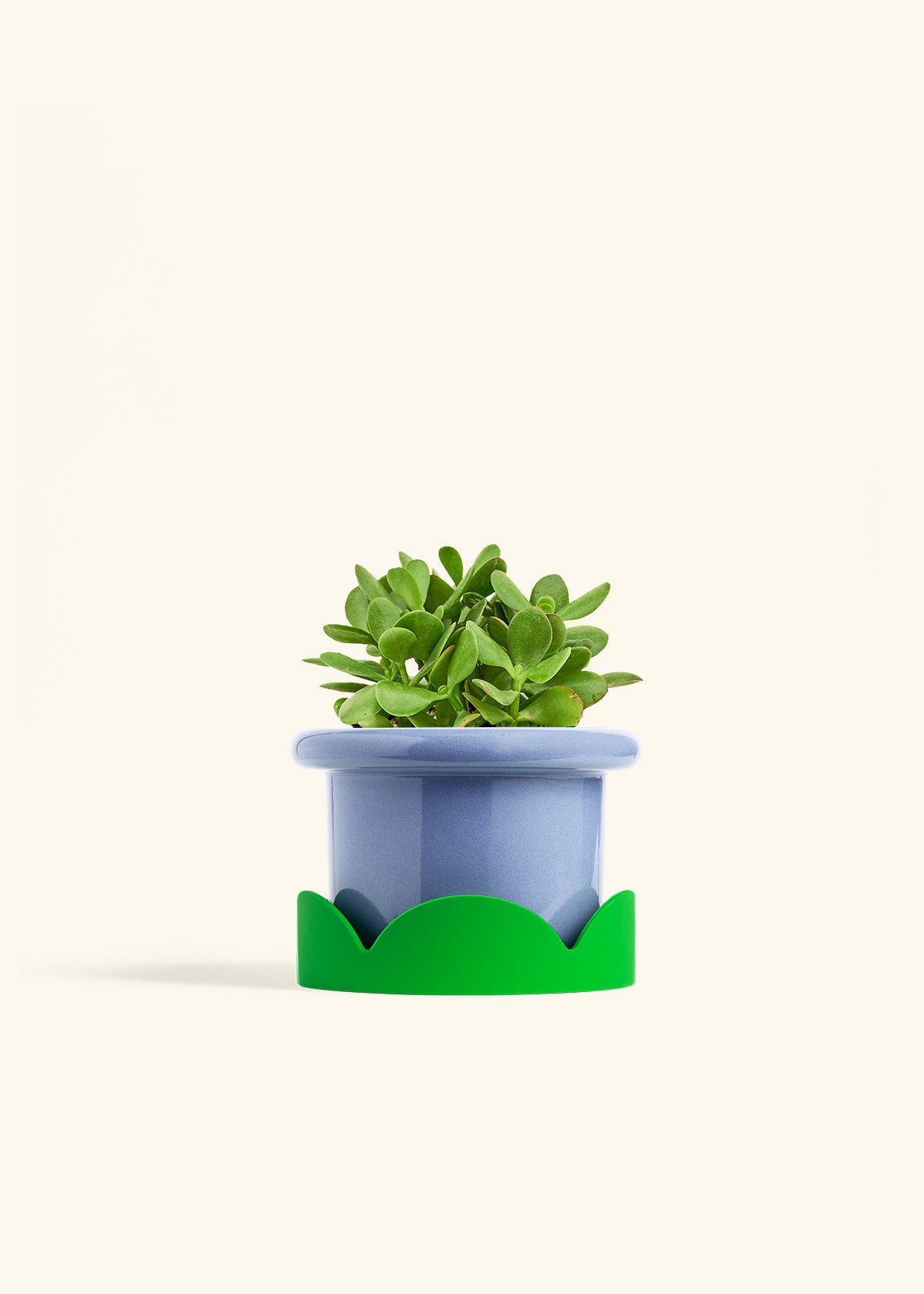
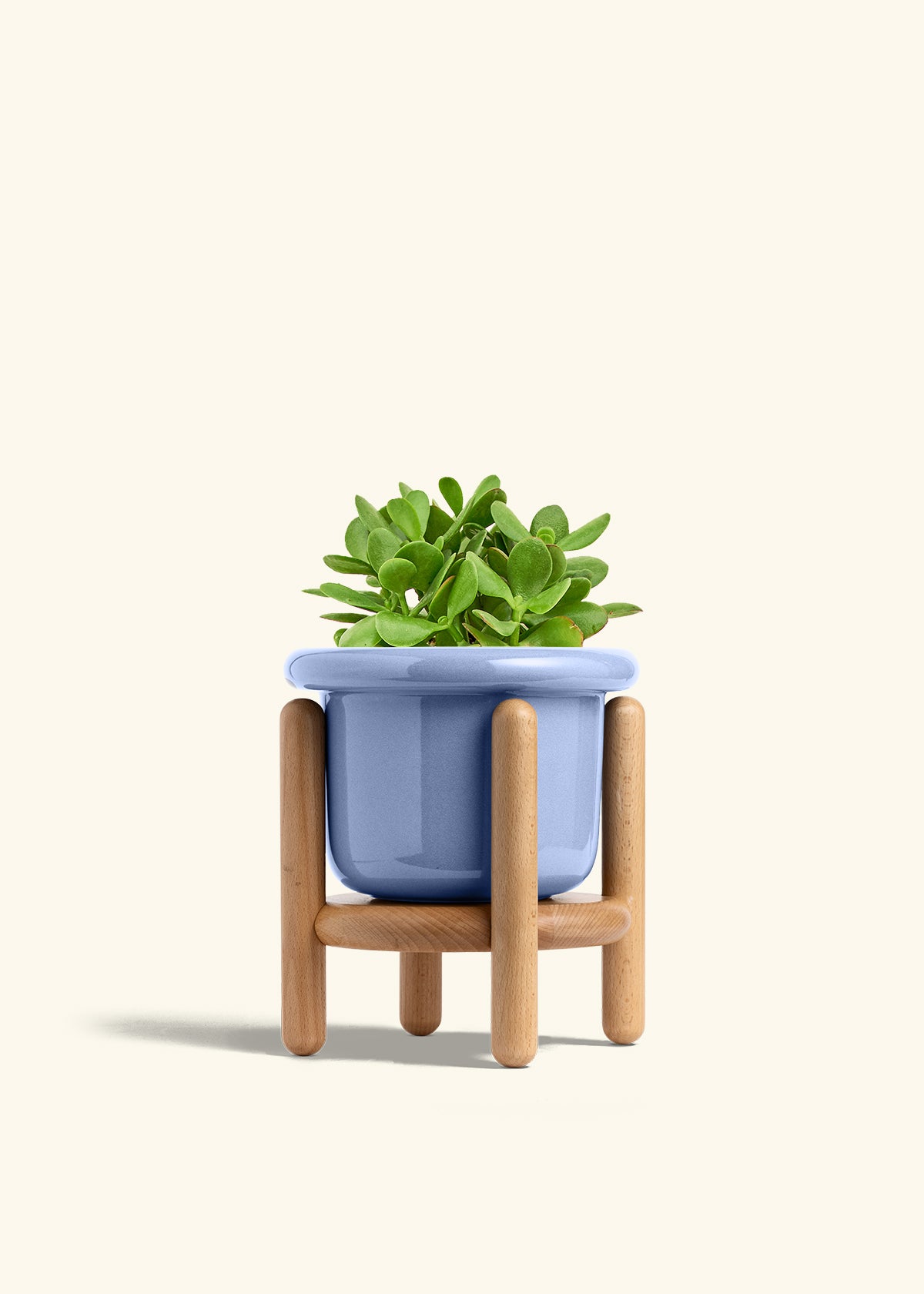
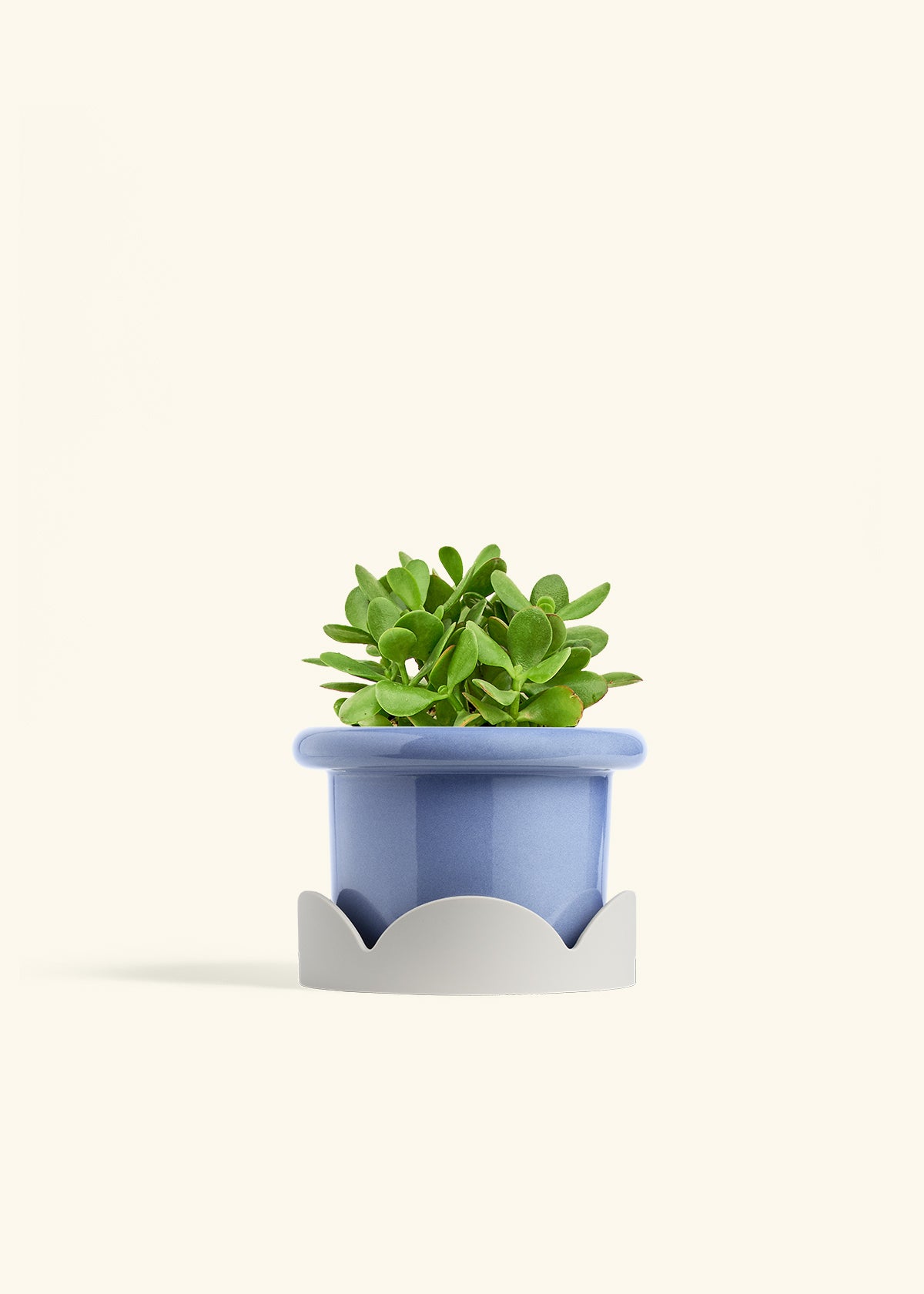
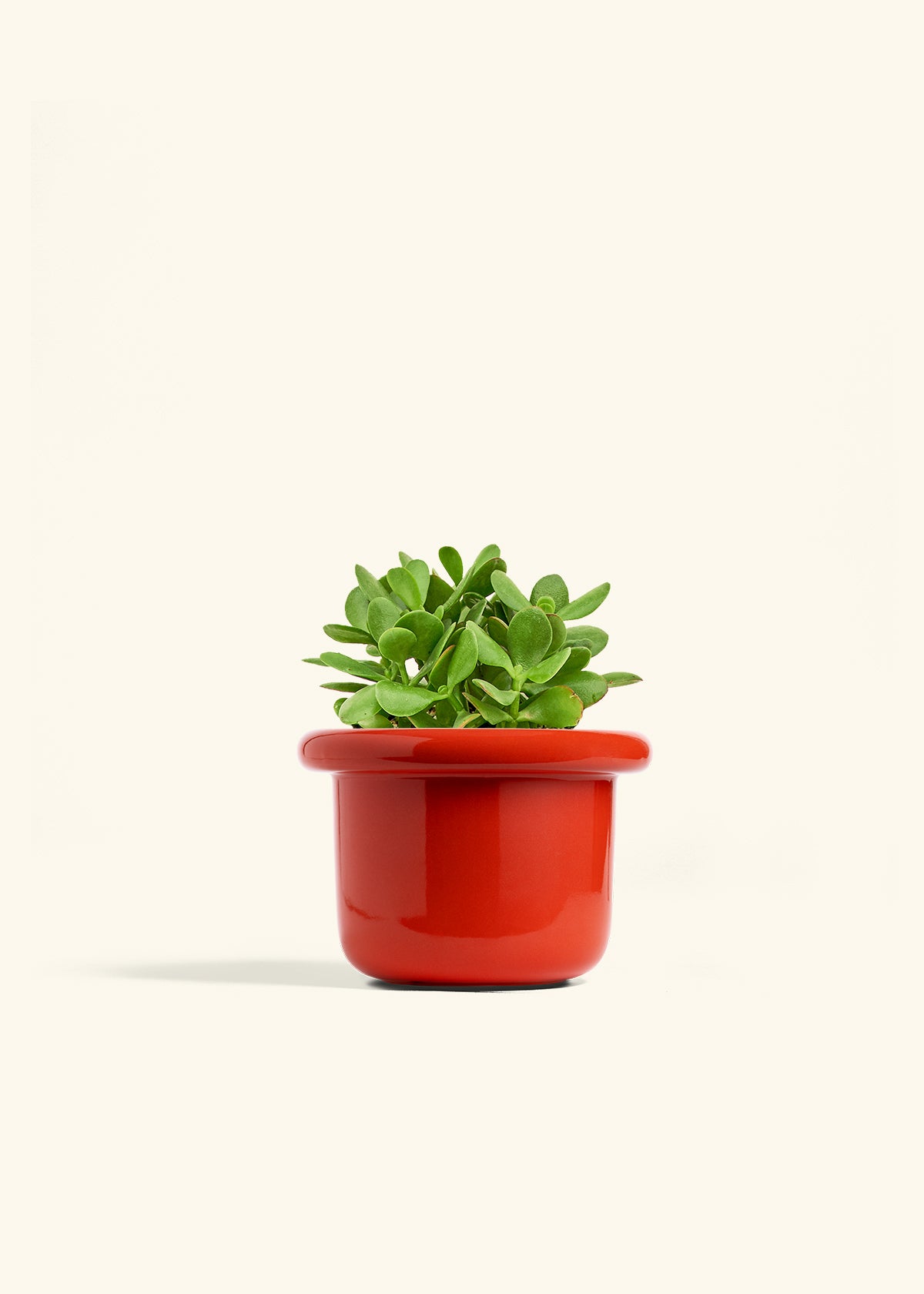
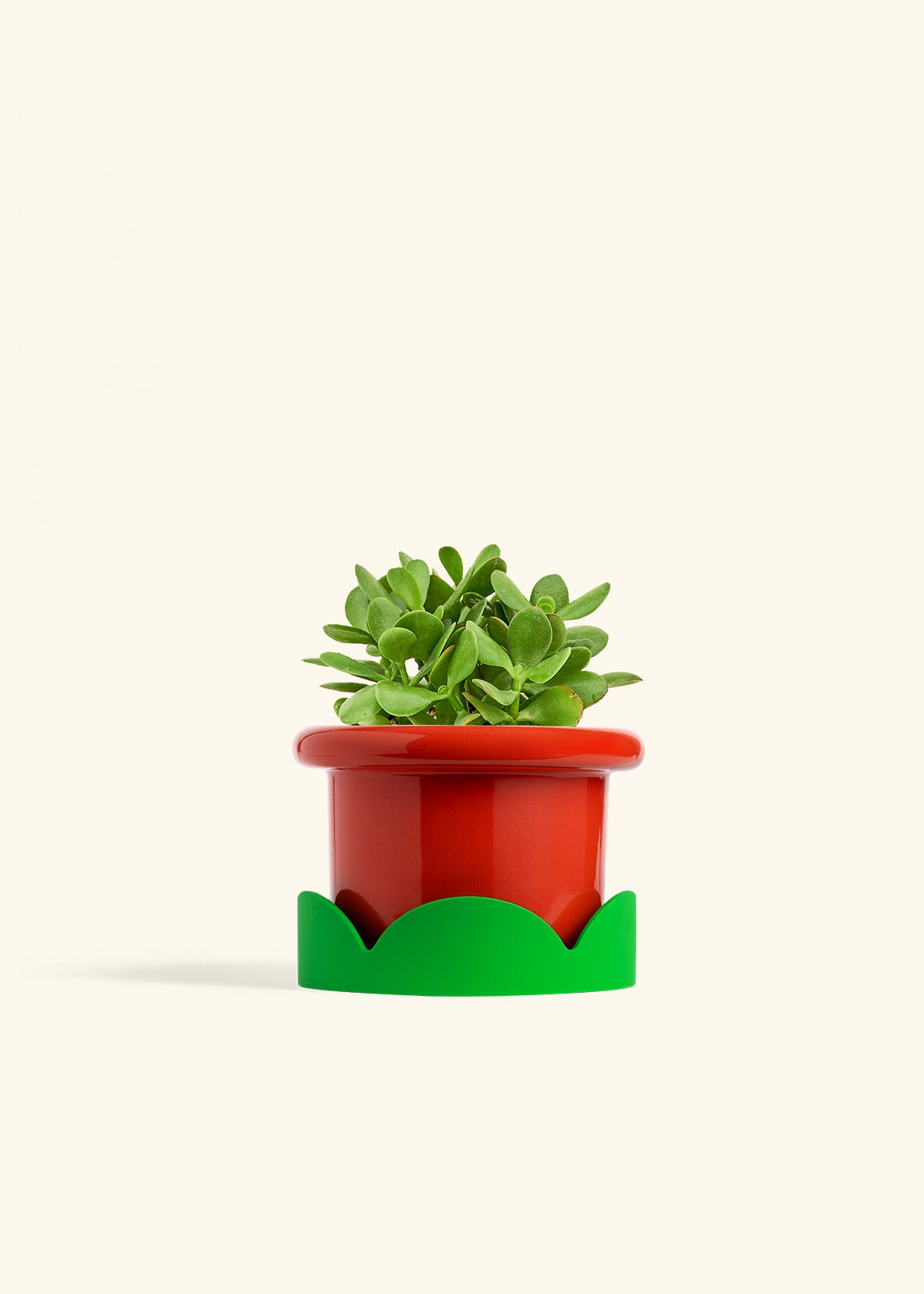
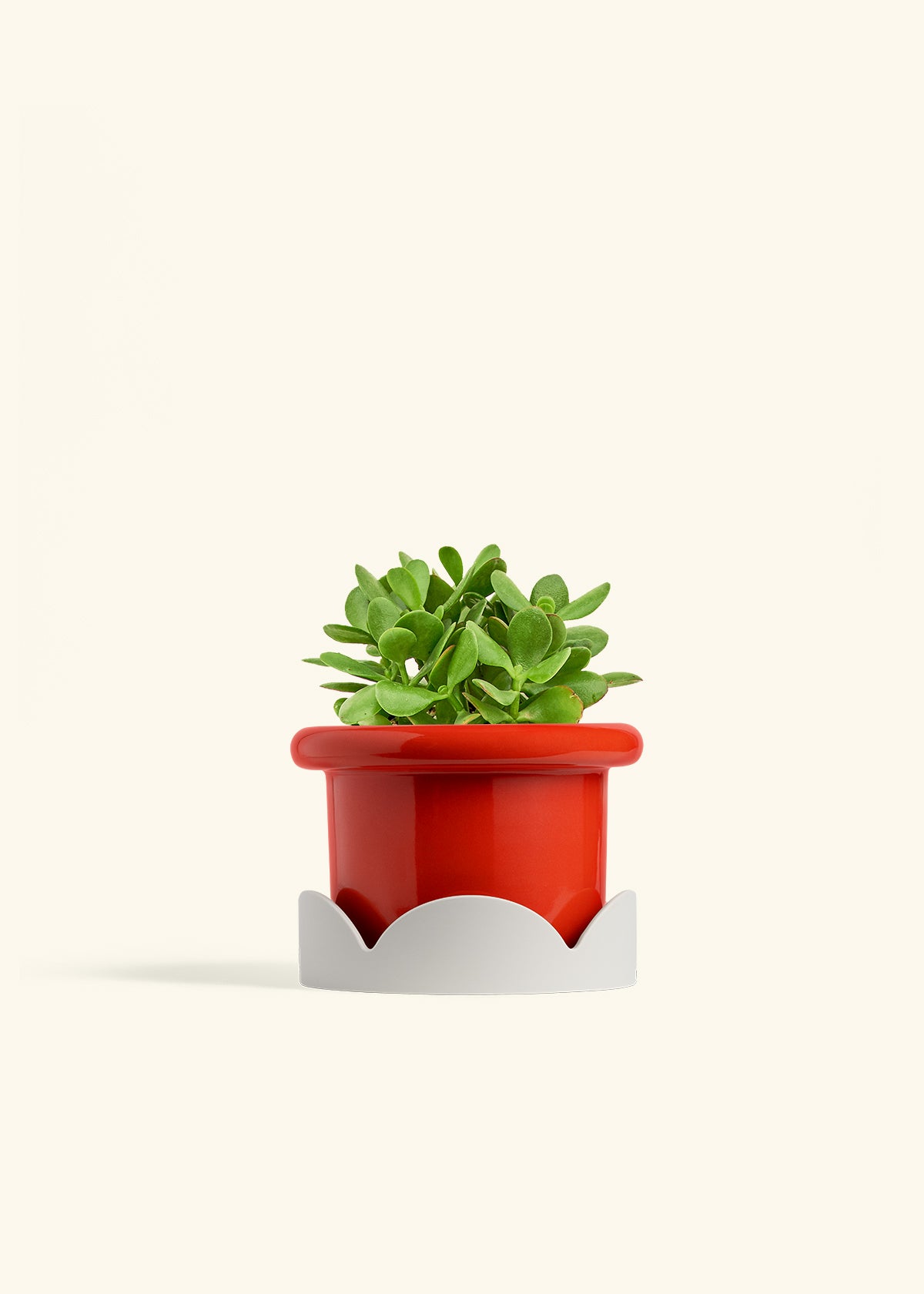
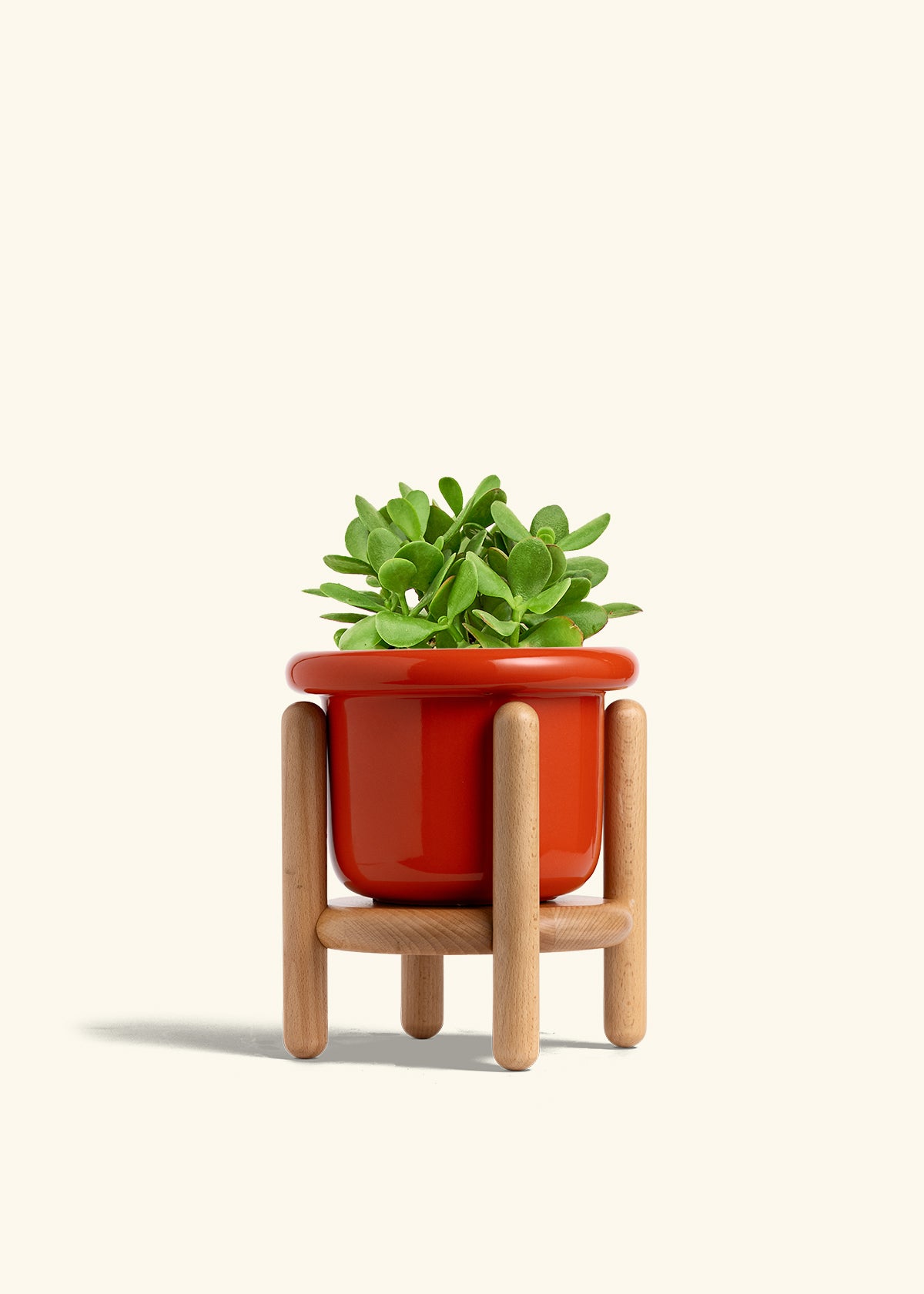
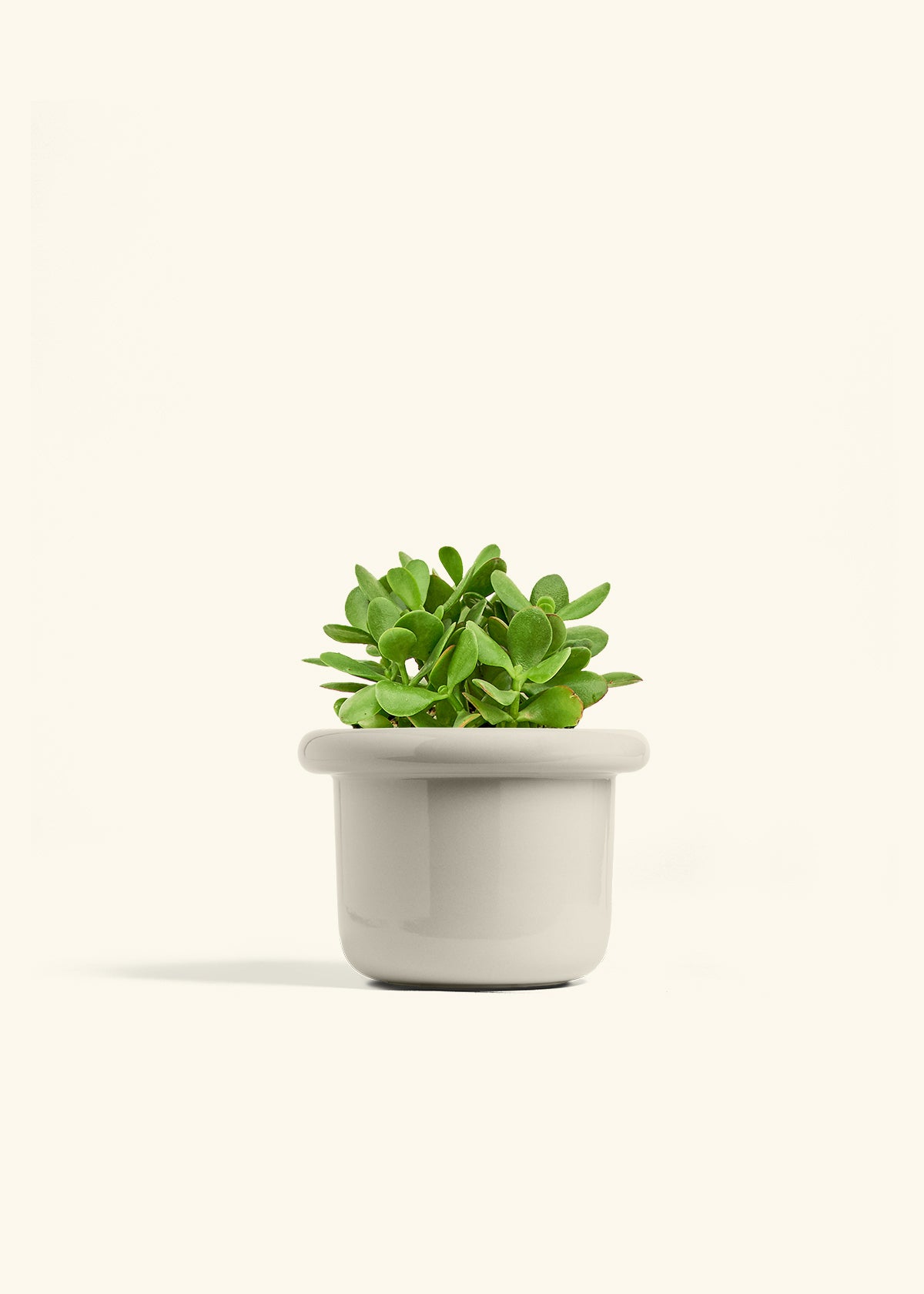
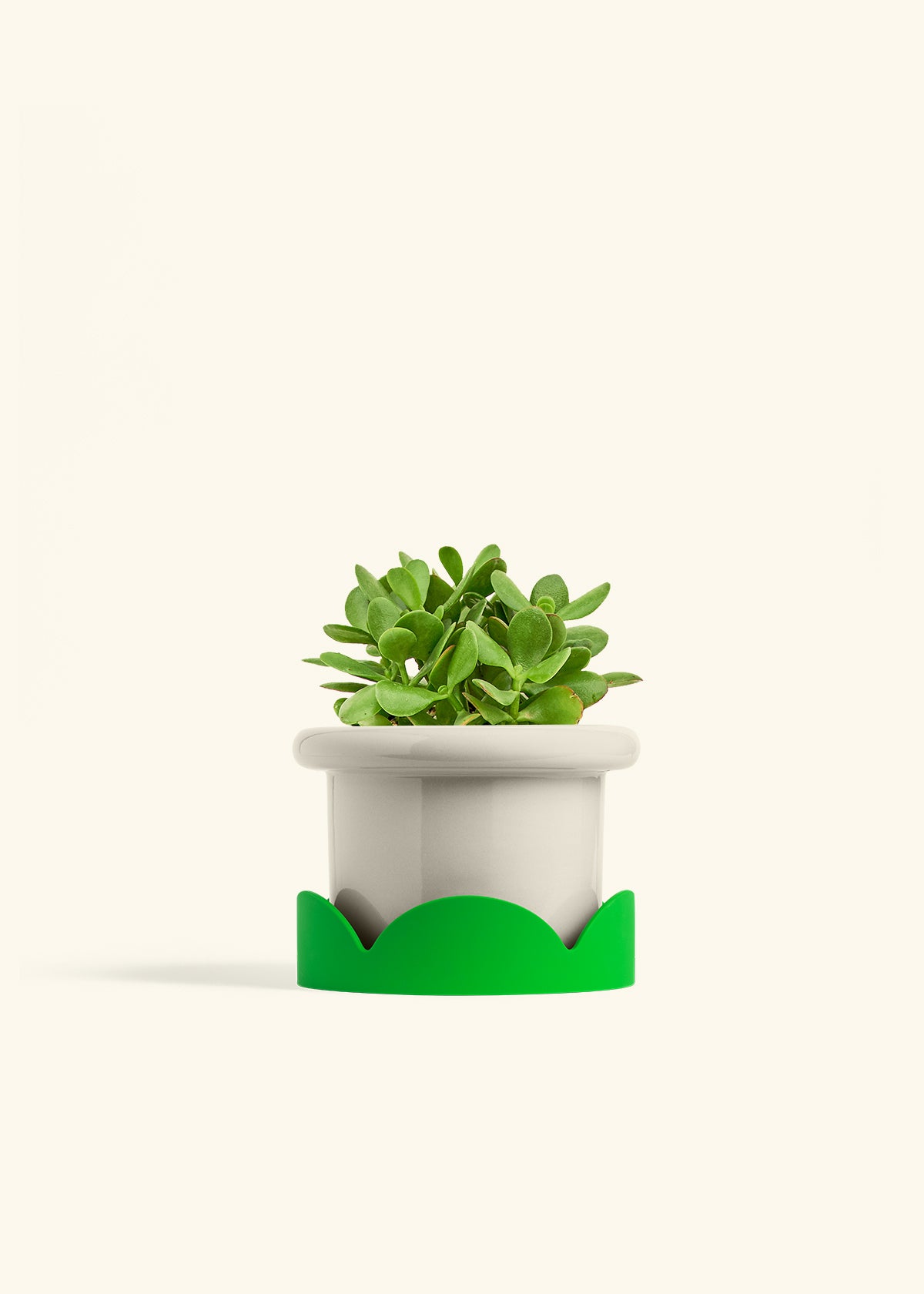
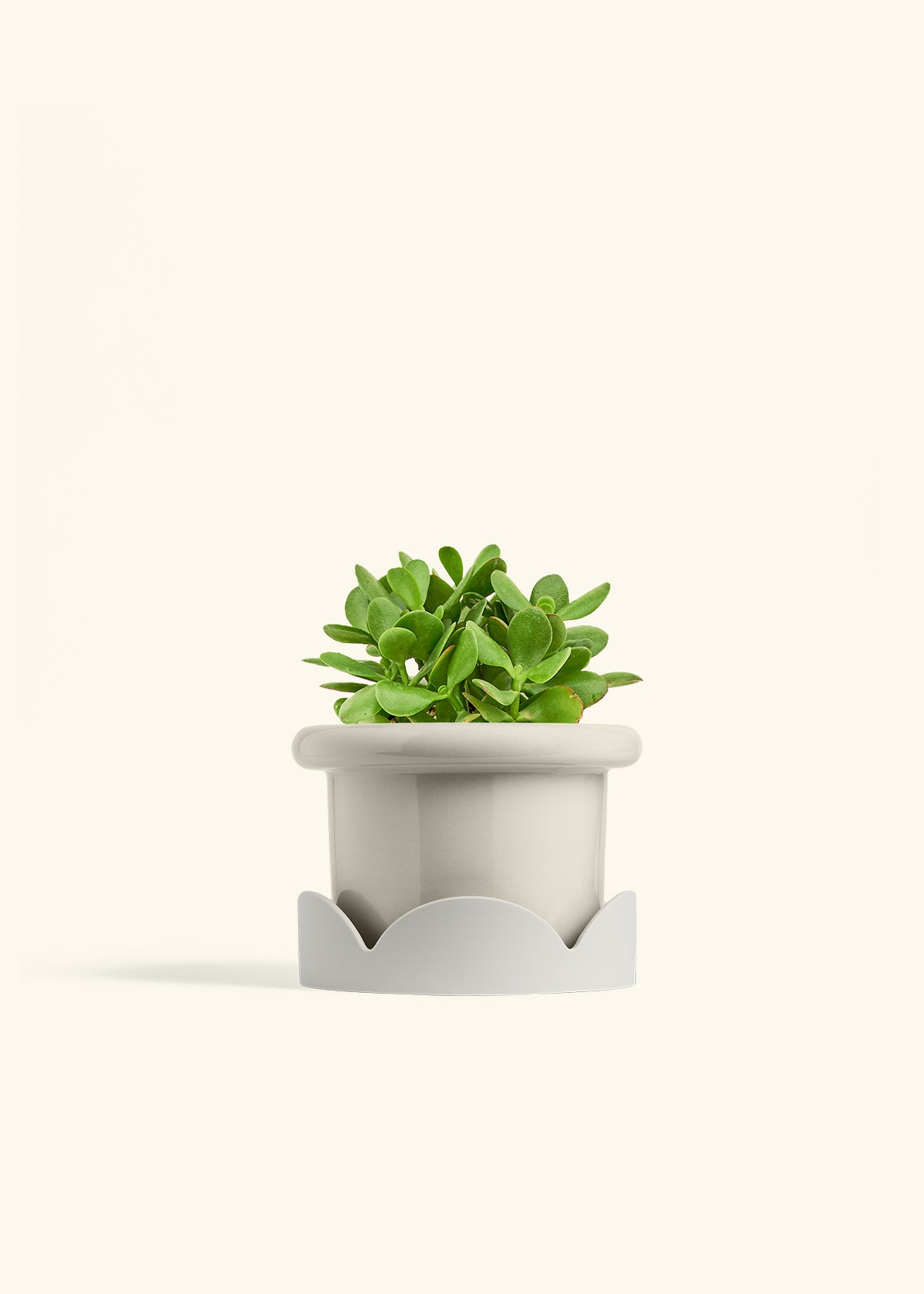
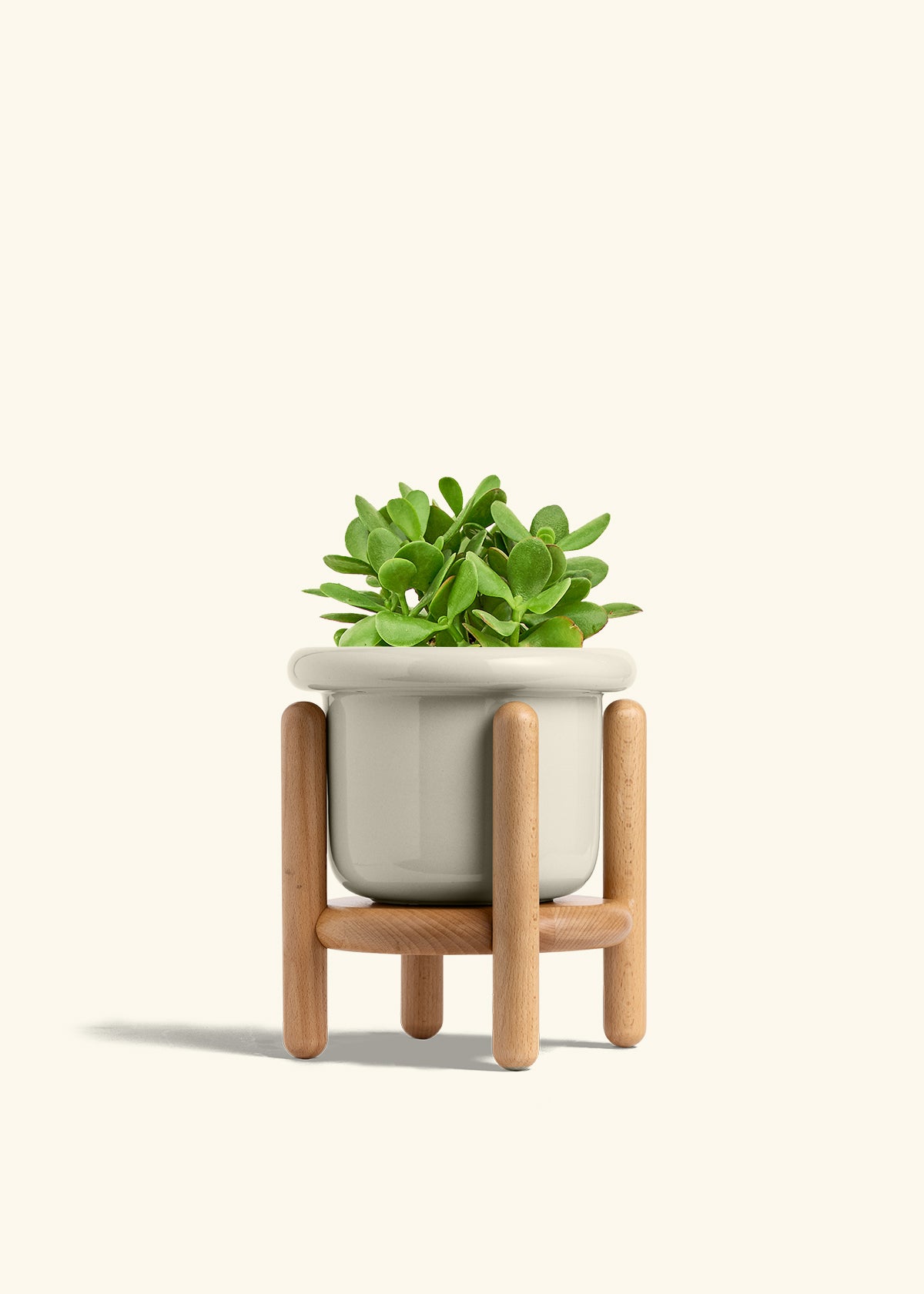
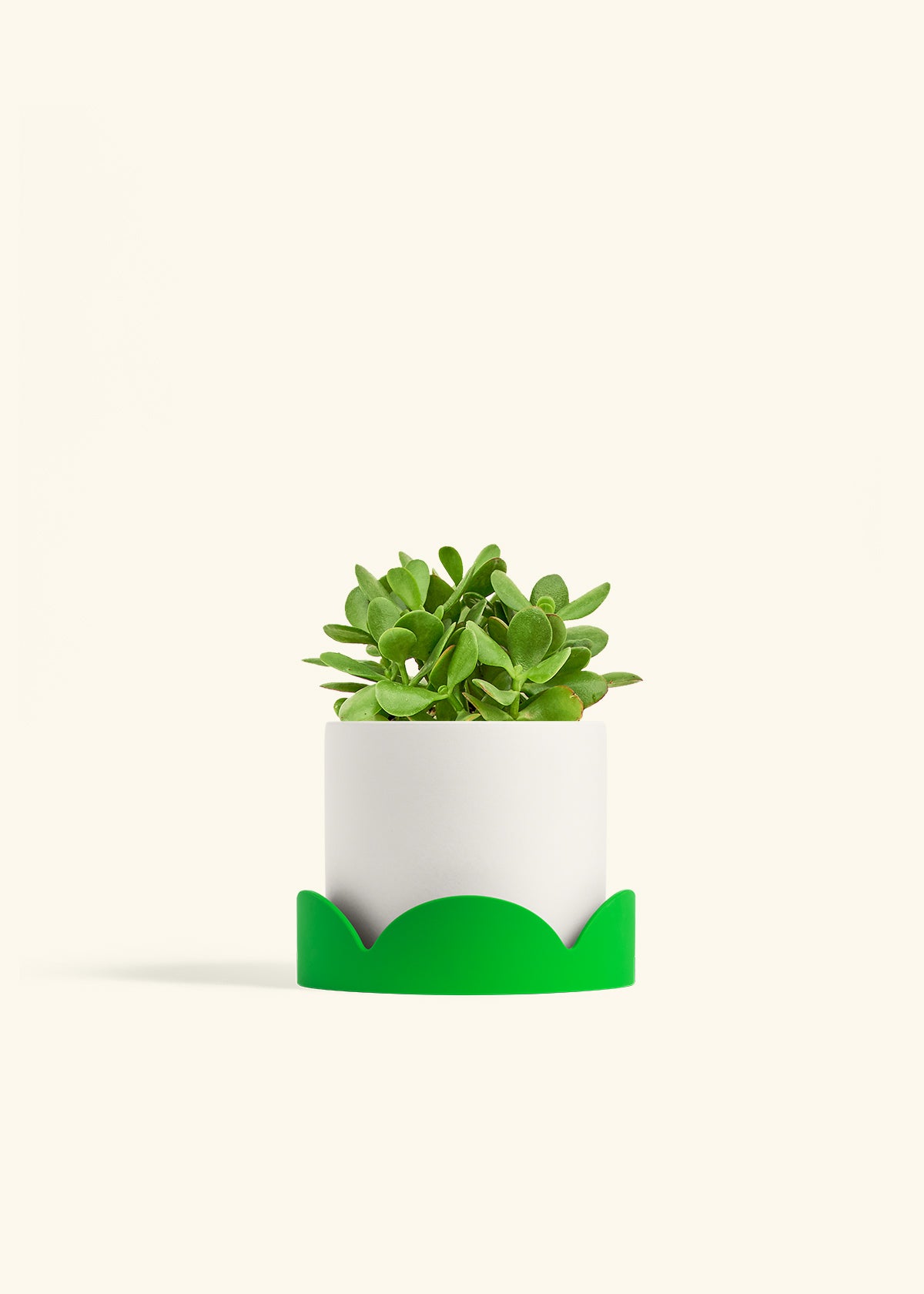
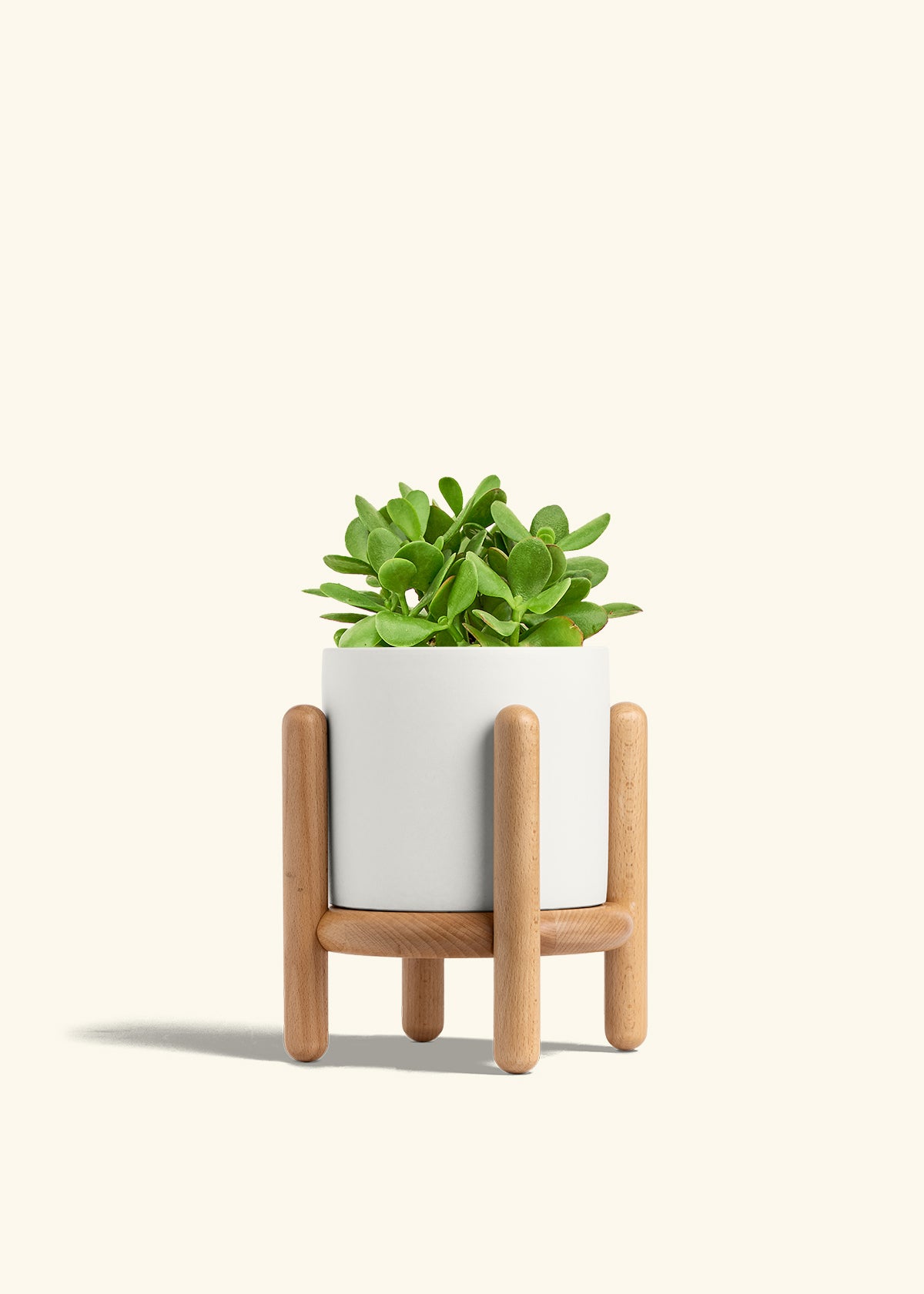
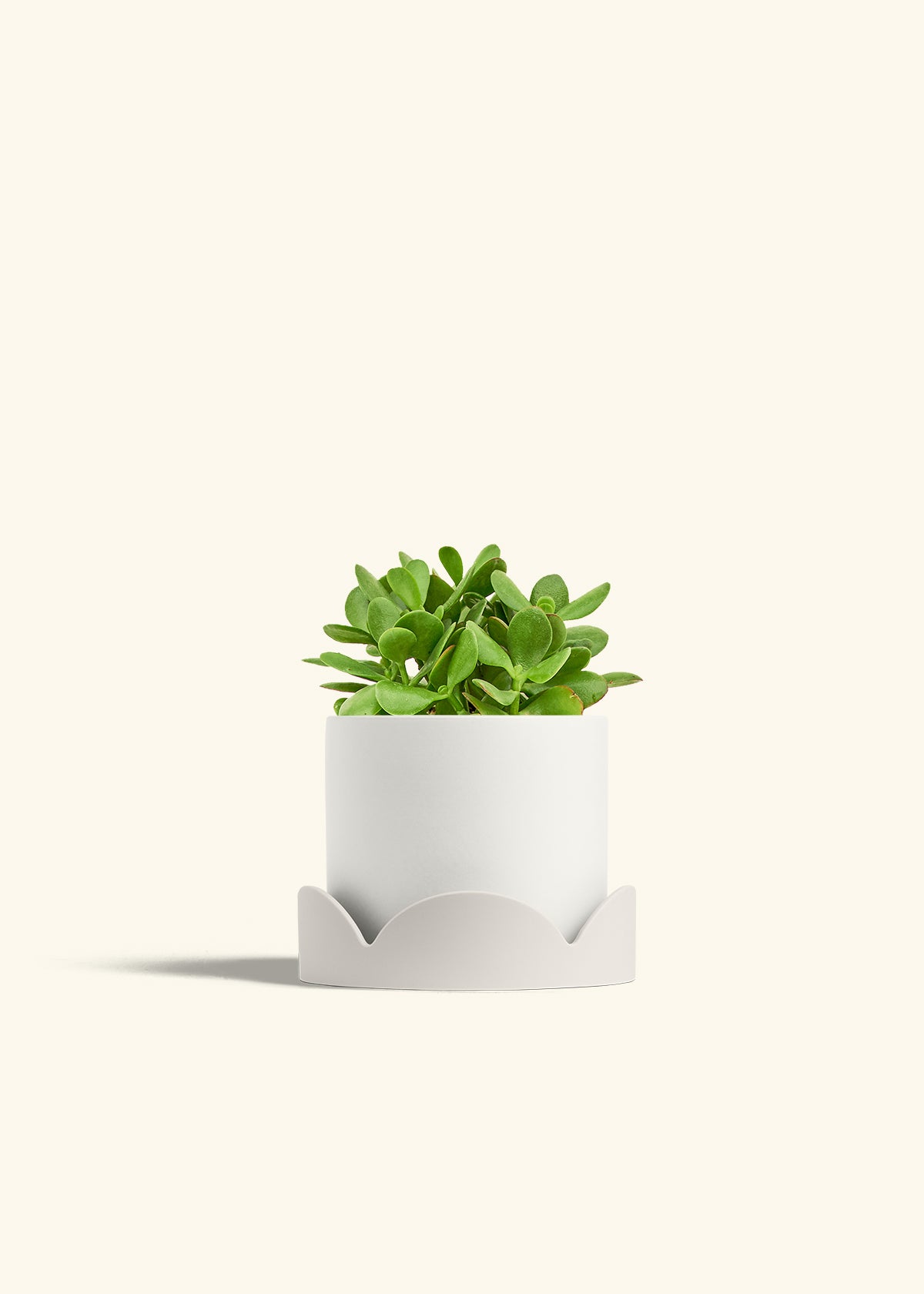
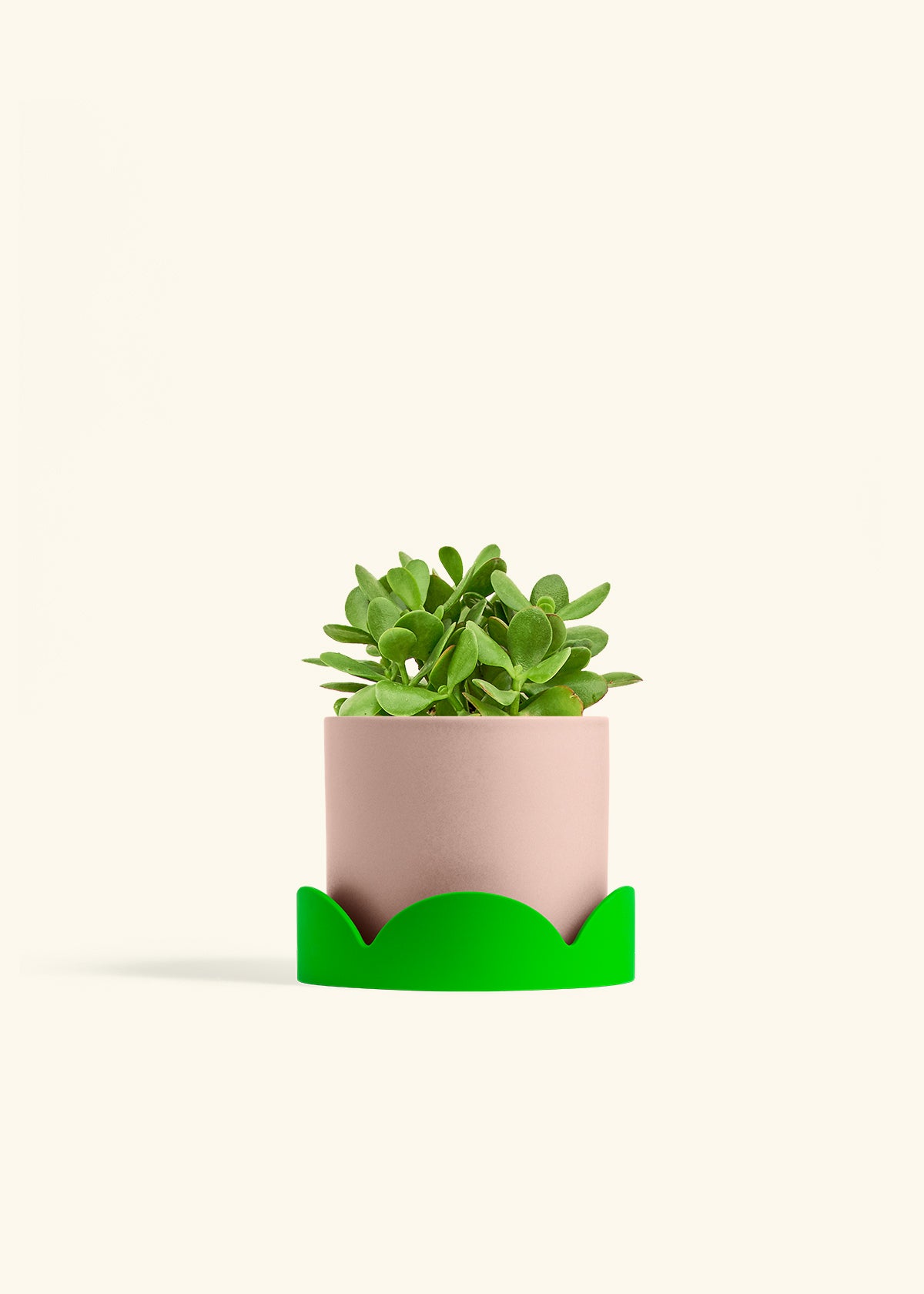
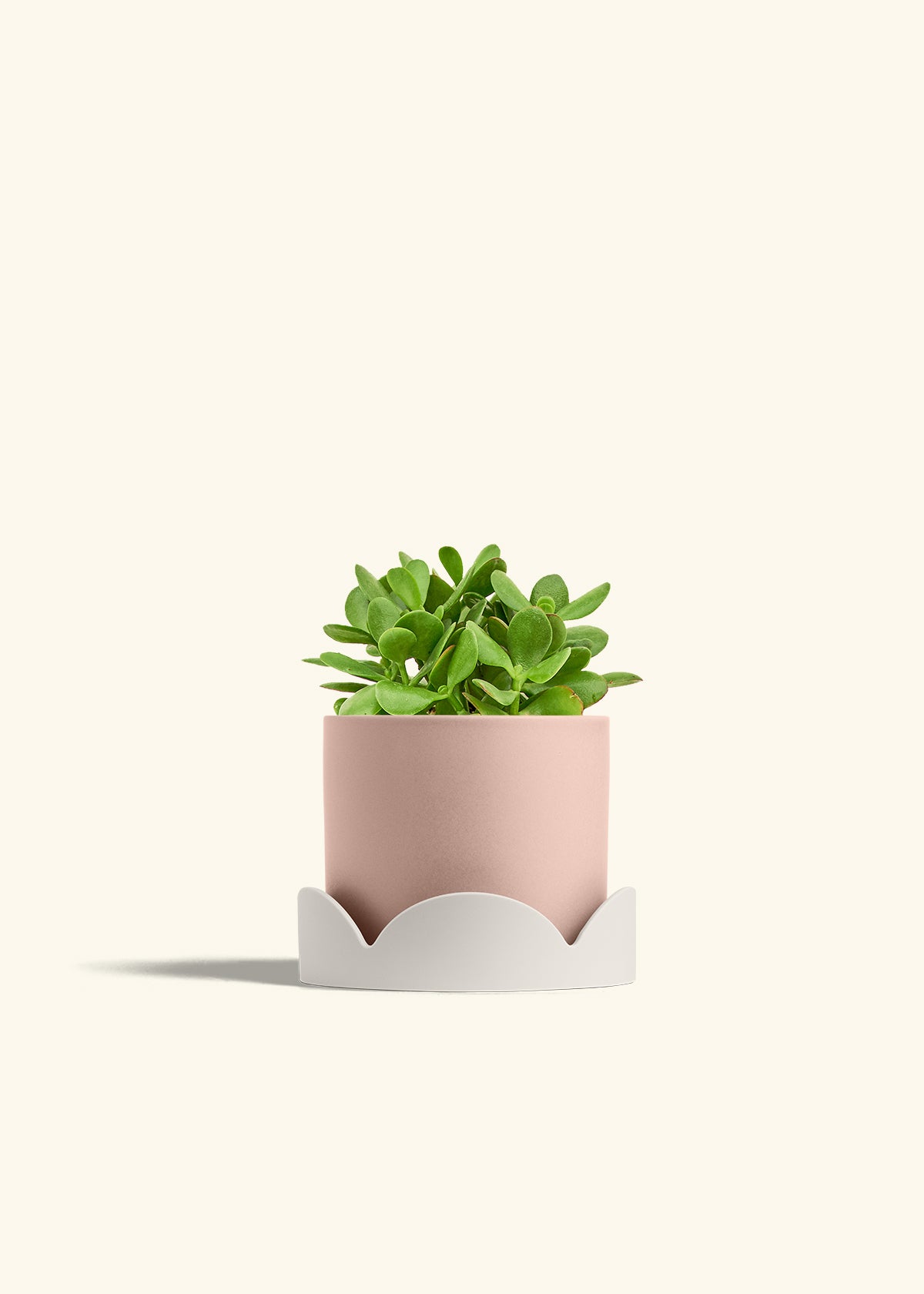
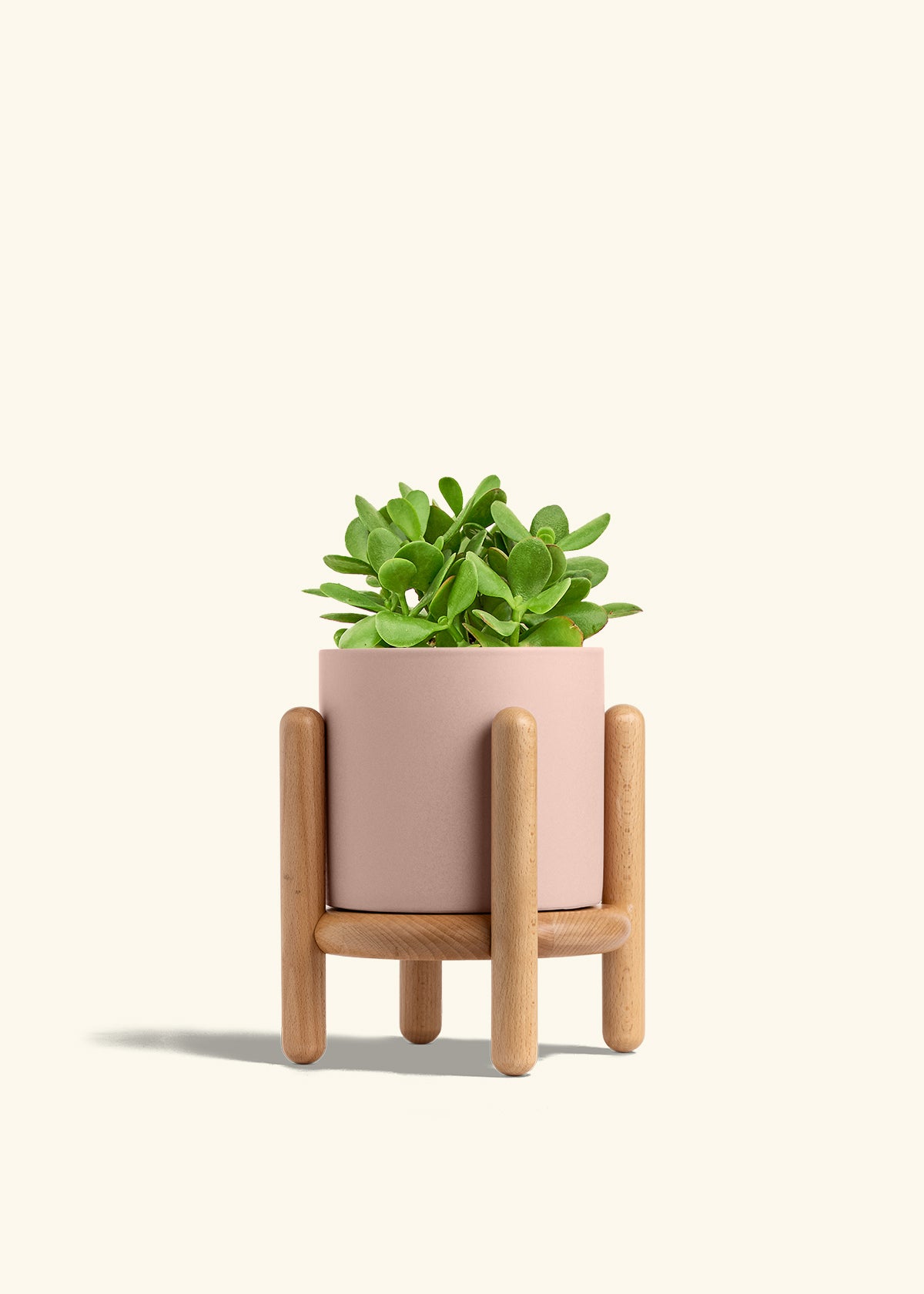
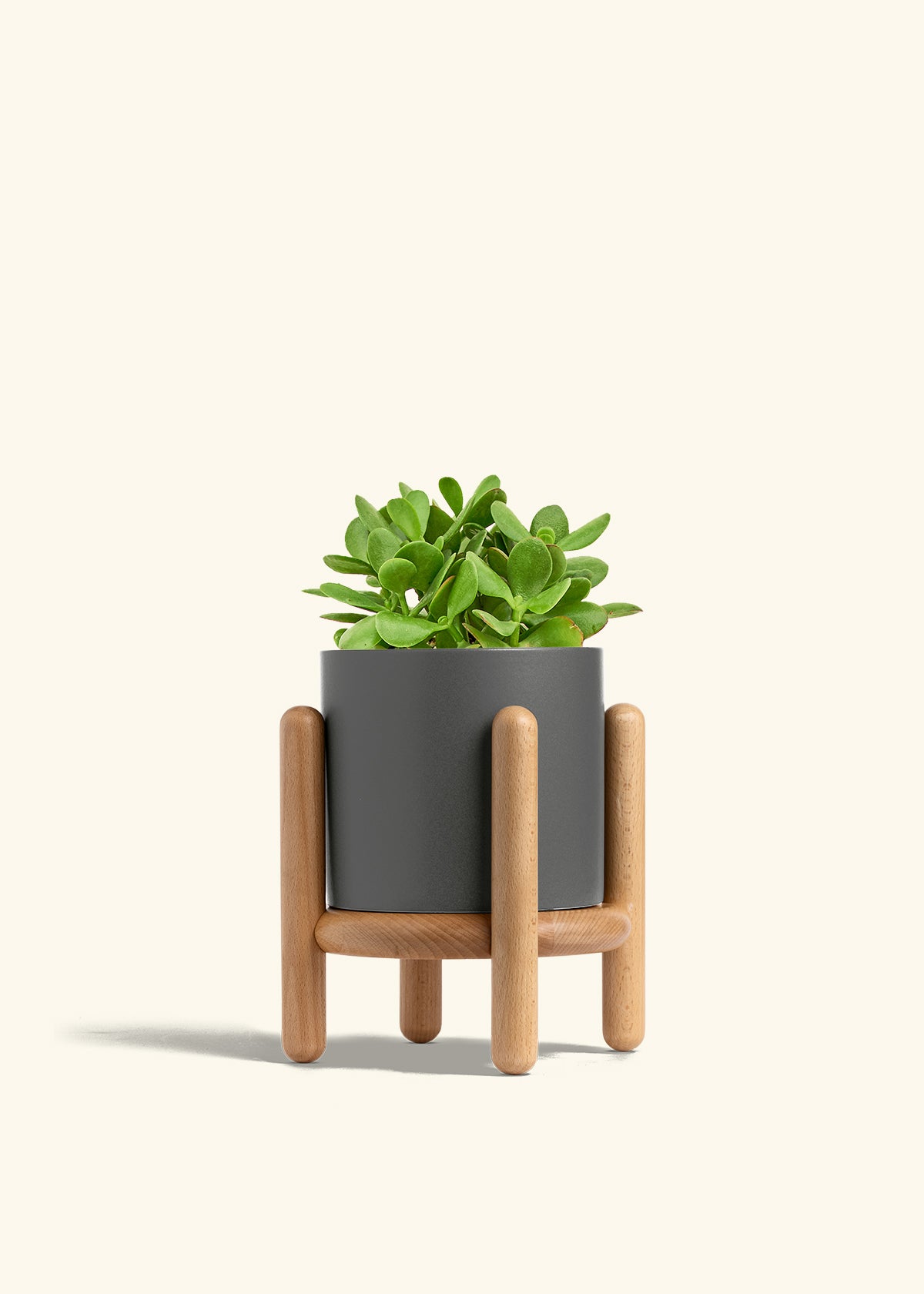
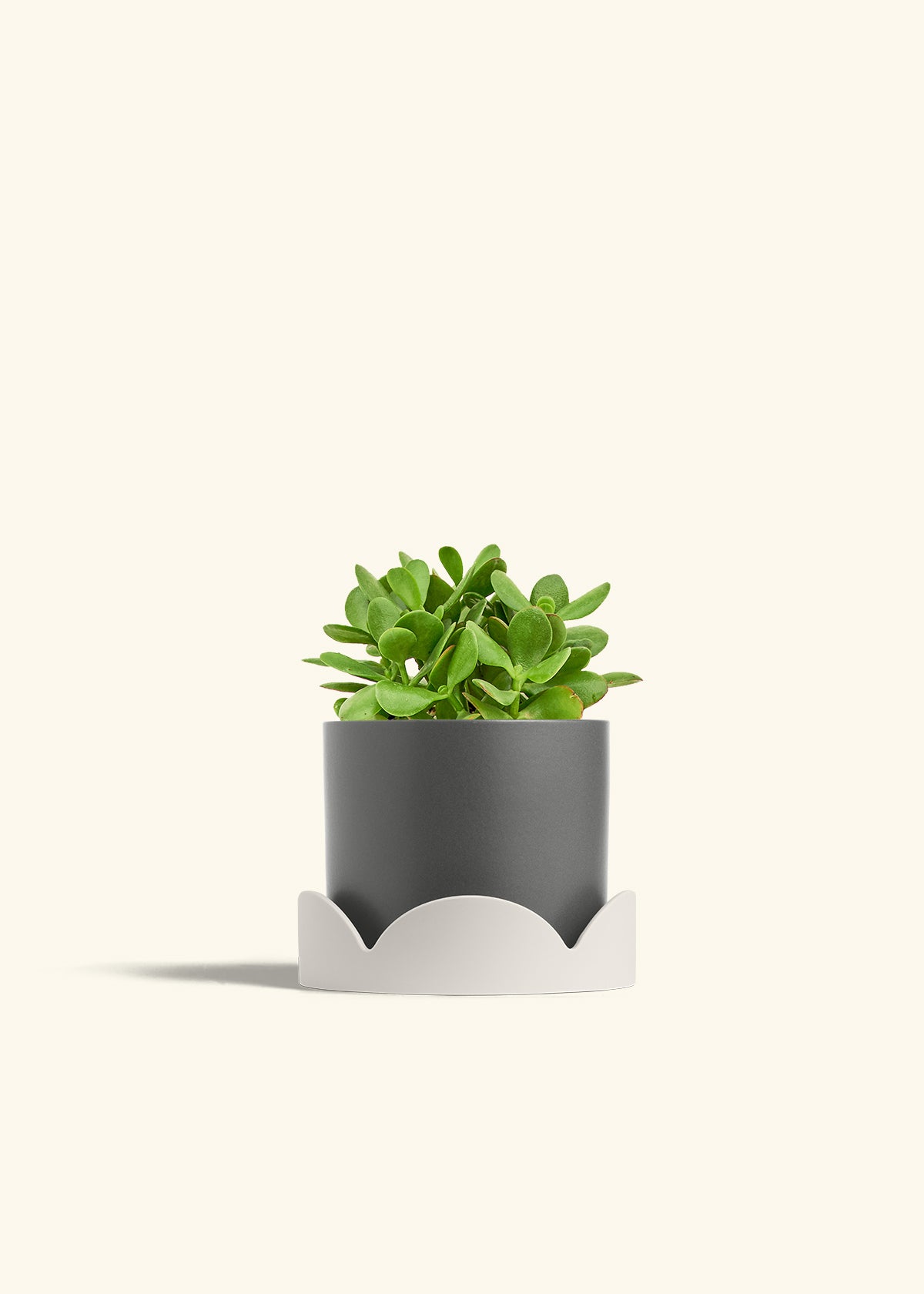
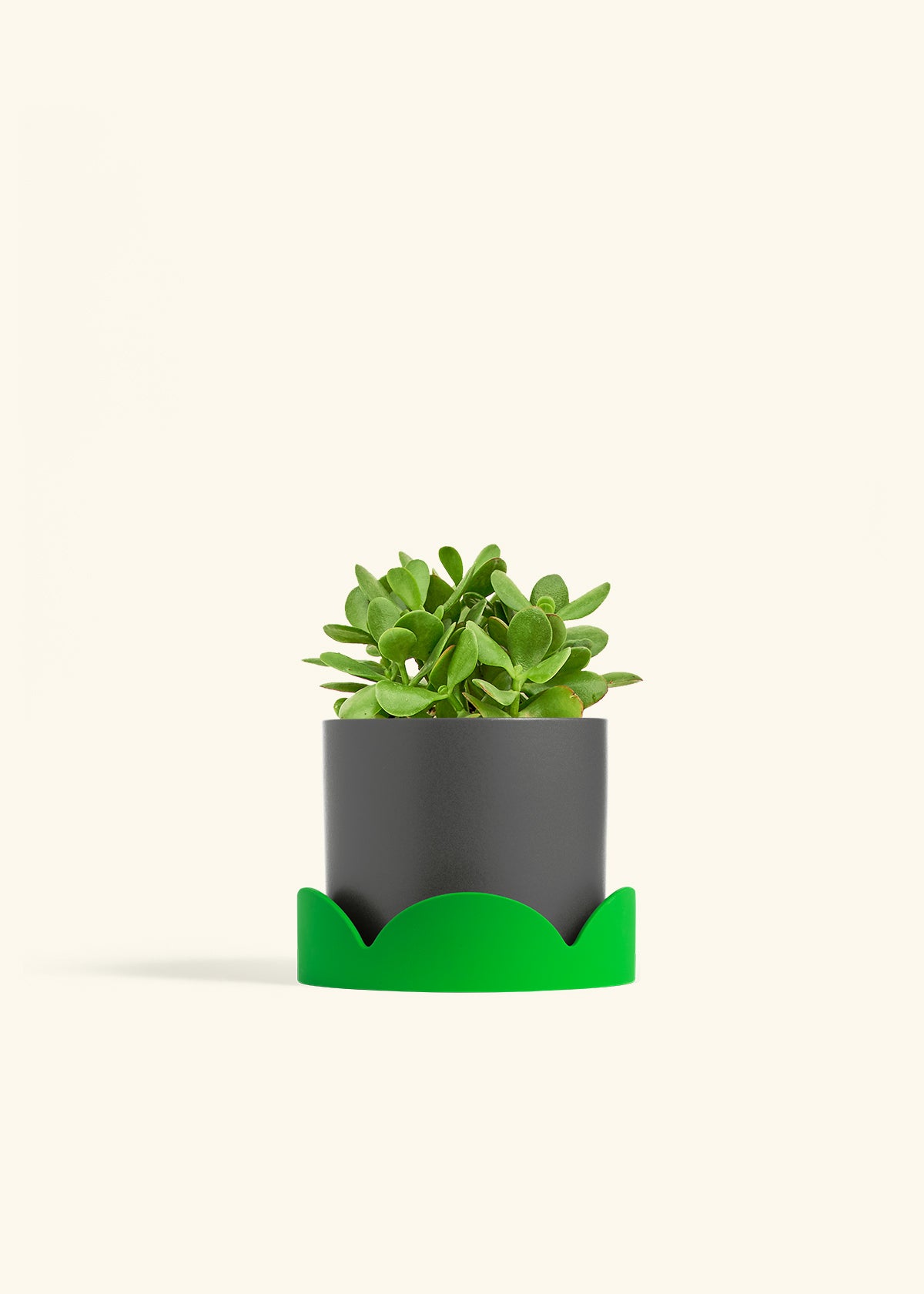
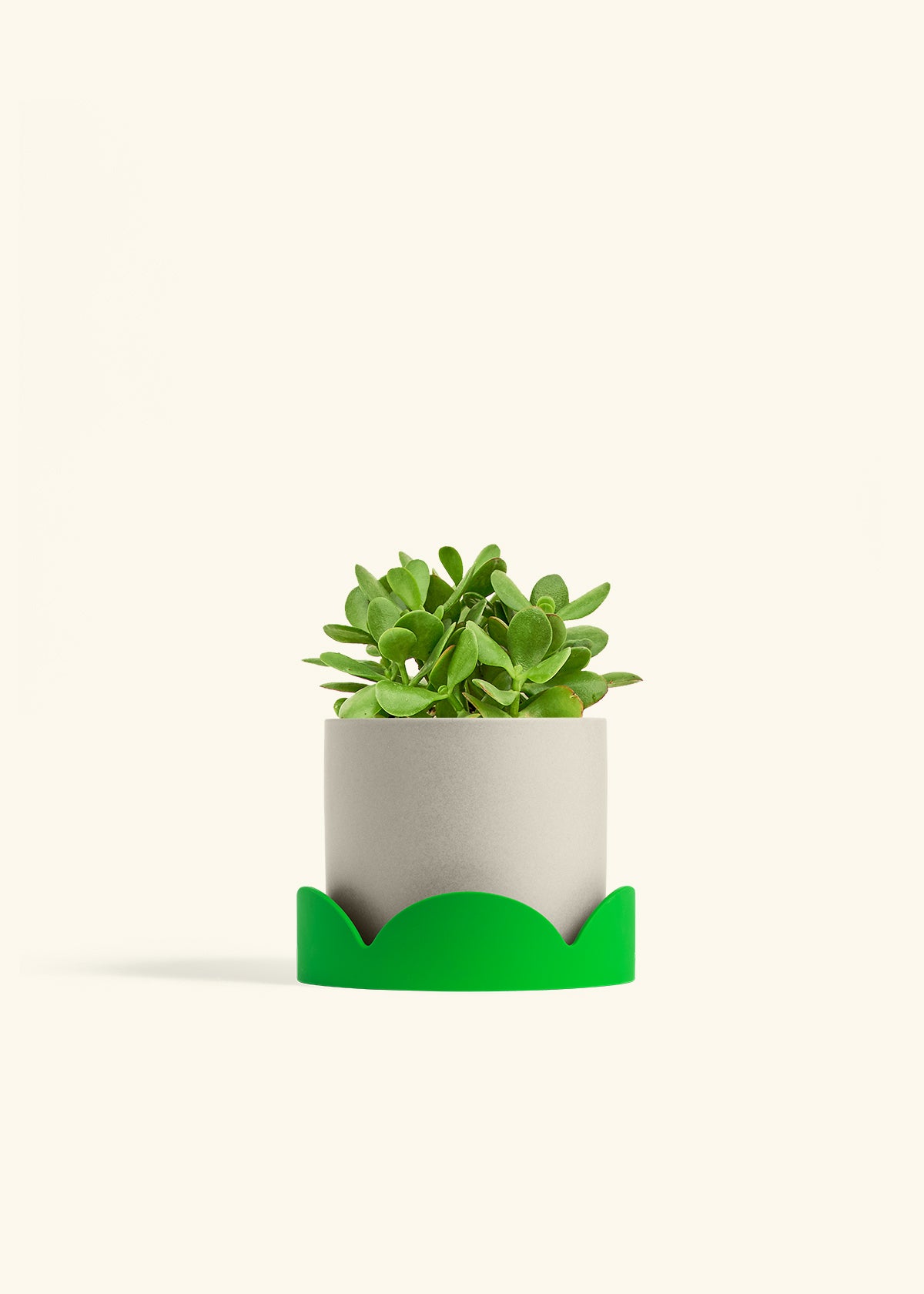
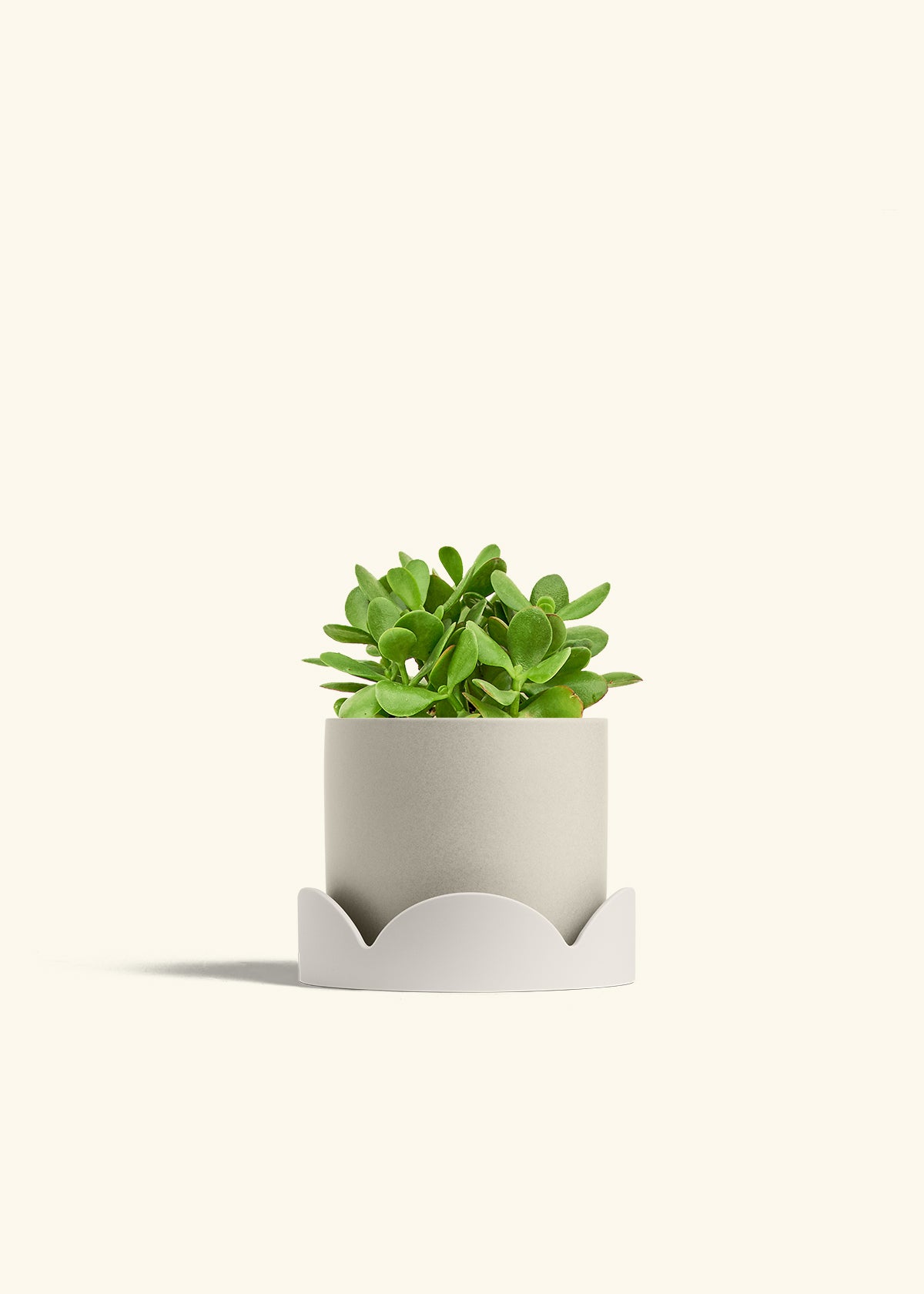
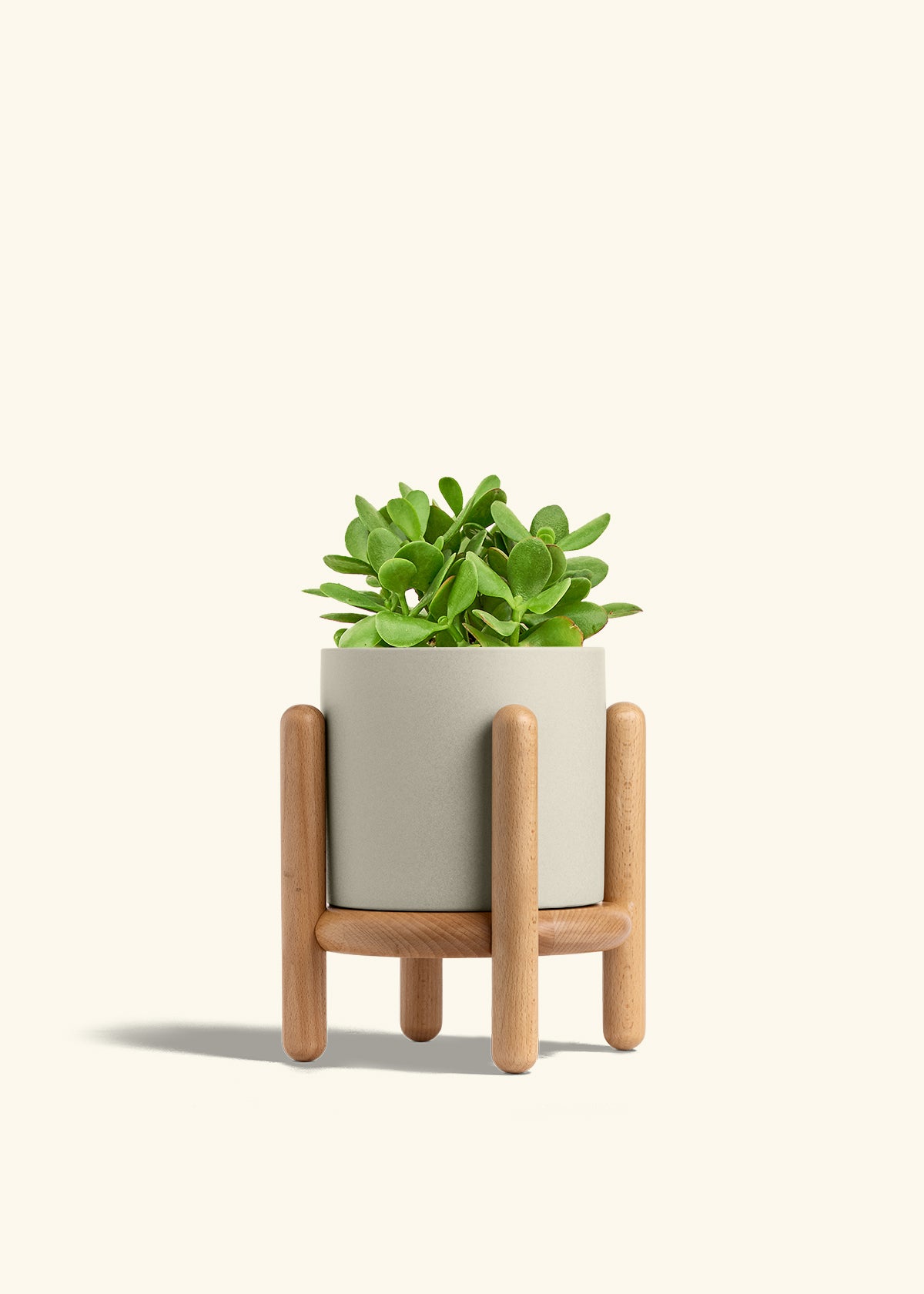
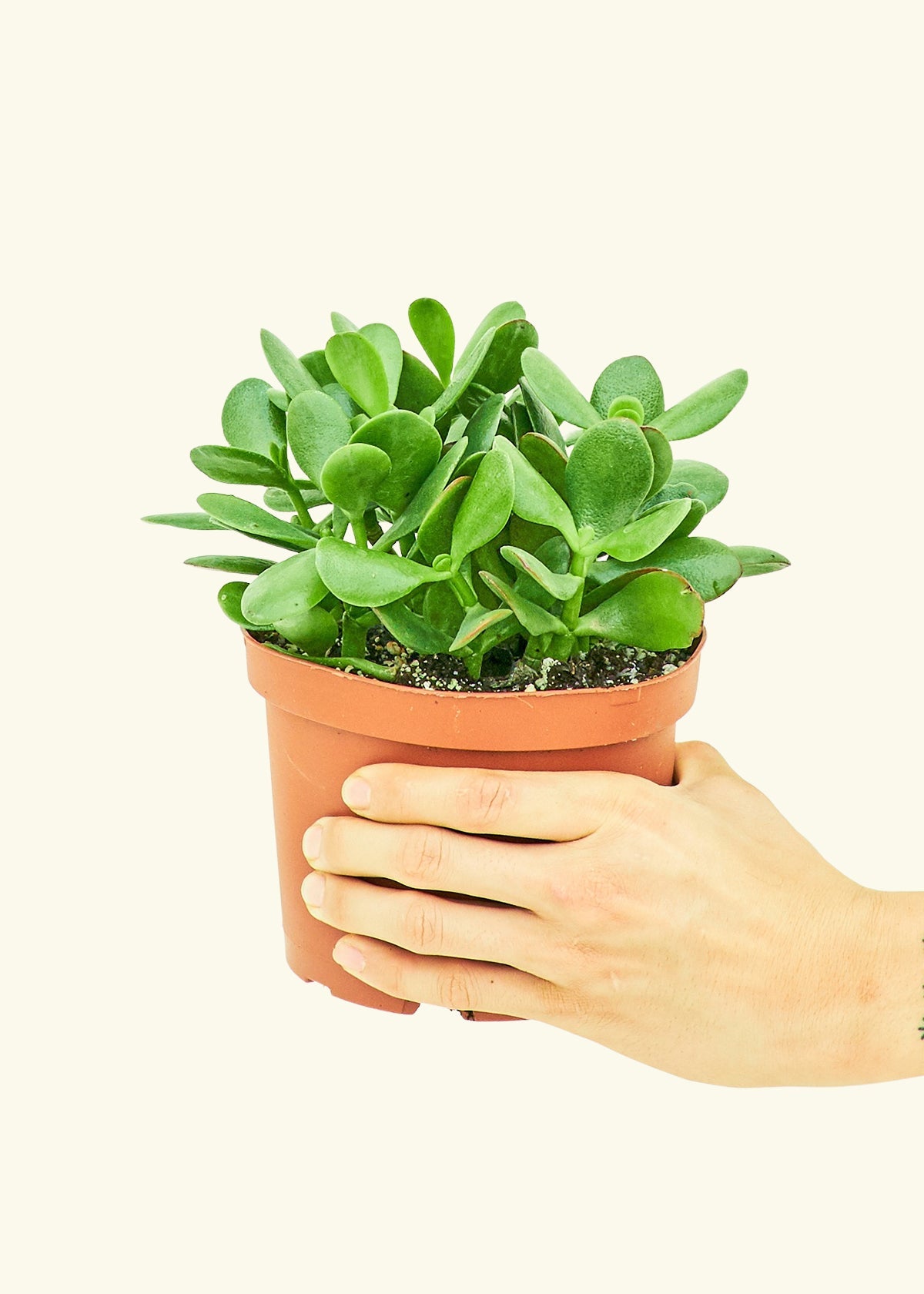
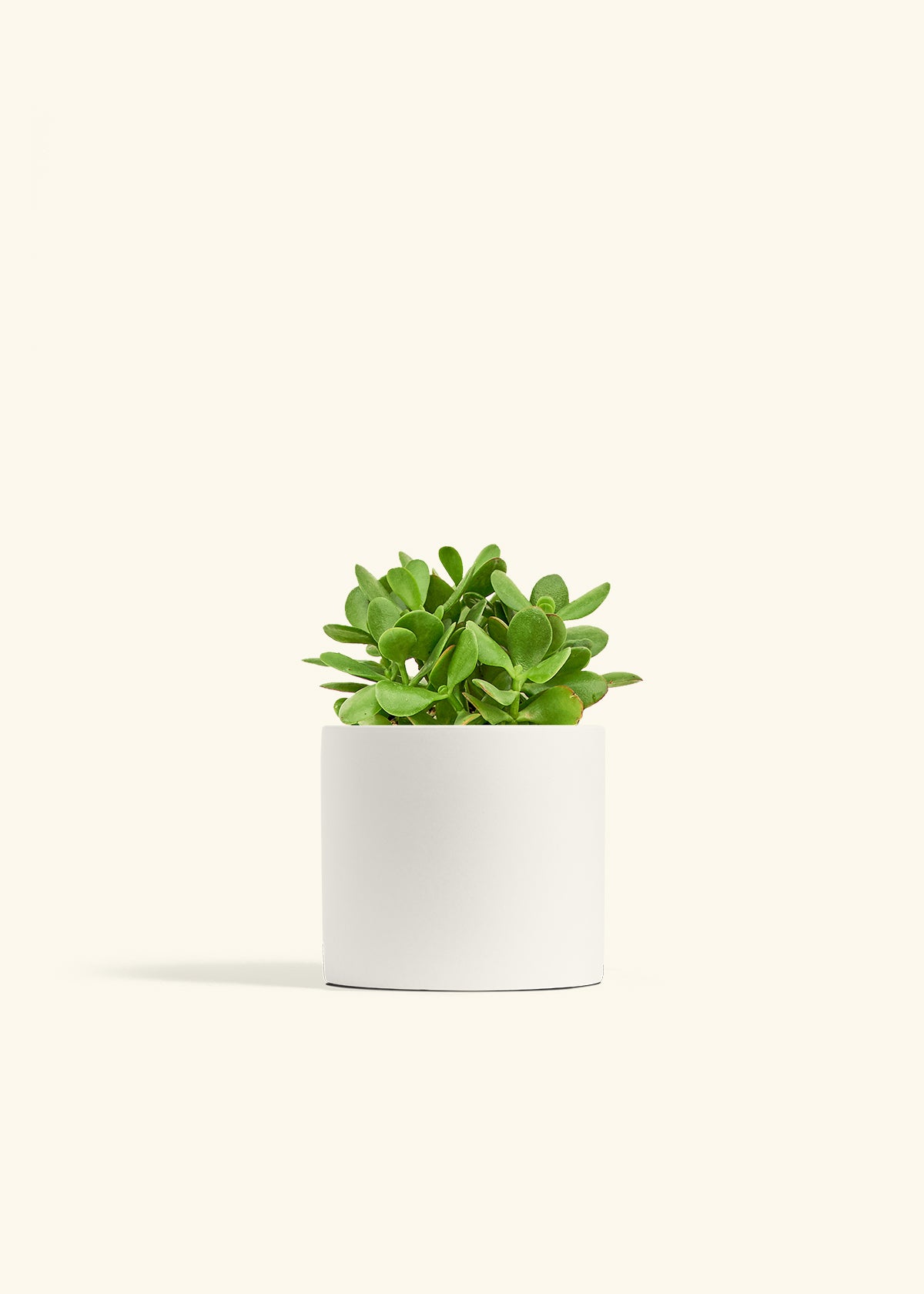
The Jade plant (Crassula ovata) is a popular, resilient succulent with round-shaped, fleshy leaves. It belongs to the Crassulaceae family and is native to South Africa. The Jade plant thrives in warm climates, suitable for growing in hardiness zones 10-11. These houseplants are known to live up to 100 years in the right conditions.
Its relatively small size makes it perfect for compact, well-lit spaces. Growing Crassula ovata at home is a truly rewarding experience; it’s a very easy-going and hard-to-kill indoor plant.
The Jade plant is considered lucky, bringing prosperity and good fortune into the home or workspace. Remember, however, that this tropical plant is toxic to cats and dogs, so supervise your pets around it.
Jade Plant: Benefits
- Doesn’t require frequent watering
- Perfect for compact spaces
- A great gift with a symbolic meaning
- Popular good luck plant
- A natural air-purifier
Jade Plant Care: Growing Tips
The Jade plant is an easy-care houseplant that thrives with very little effort on your part. As long as it receives several hours of bright, direct light and is allowed to dry out completely between watering sessions, it will grow lush and strong, adding fresh greenery to your interior space.
Jade Plant: Light Requirements & Temperature
- Light: This succulent prefers bright light to maintain its vibrancy. Low-light conditions can result in stunted growth and pale foliage.
- Temperature: Maintain a warm environment; this plant thrives in temperatures between 60°F and 80°F. Protect it from cold drafts and sudden temperature fluctuations.
Jade Plant: Watering & Humidity
- Watering: Water this drought-tolerant beauty when the soil is completely dry. Overwatering can lead to root rot, mushy, yellow leaves, and an increased risk of insect infestations.
- Humidity: The Jade plant does well in moderate humidity; it doesn’t require misting and extra moisture in the air.
Jade Plant: Soil, Fertilizer, and Repotting
- Soil: Plant your Crassula ovata in a well-draining potting mix designed for succulents; add perlite or coco coir to improve soil aeration.
- Fertilizer: Feed during spring and summer with a balanced, diluted fertilizer to maintain optimal health.
- Repotting: Repot before the roots get crowded and begin to circle in the container. Choose a pot that is one size larger than the previous one.
Jade Plant: Propagation
To propagate your Jade plant, use healthy cuttings; leave them to callous first, and then plant them in fresh, well-draining soil. Place the pots in a warm spot with bright, filtered light and wait for the roots to establish. Then you can move your new Jade plants to a brighter location.
Jade Plant: Problems and Pruning
Common issues include brown leaves, which indicate underwatering. On the other hand, yellow foliage is a sure symptom of too much moisture in the soil. Your Jade plant doesn’t require regular pruning. Clean the leaves occasionally with a damp cloth and remove damaged ones to encourage new growth. Pests such as spider mites can also be an issue and should be treated promptly with organic insecticide or neem oil.
Jade Plant: Companion Plants & Placement Options
The Jade plant is a cute and hardy houseplant perfect for beginners. It can be a great accent on a coffee table and shelf, or part of a larger tropical plant display.
Great to Place on
Place your Jade plant on a sunny windowsill, as it loves bright light. Its low-maintenance nature and tolerance to occasional neglect also make it a great office plant, provided it receives sufficient sunlight.
Jade Plant Grows Well With
- Golden Pothos: Everyone’s favorite Golden Pothos adds lush greenery, together with the cute Jade plant.
- Baby Rubber Plant: The Baby Rubber Plant is a small, cute plant that prefers lower light, so keep it in the background, away from direct light.
- Black ZZ plant: The Black ZZ Plant is another relatively drought-resistant plant that complements your Jade plant with its deep-green foliage.
Get the Lucky Jade Plant From Hey Rooted Now!


 Care level: No sweat
 Light: Direct
 Not pet friendly
 Water: Once a month
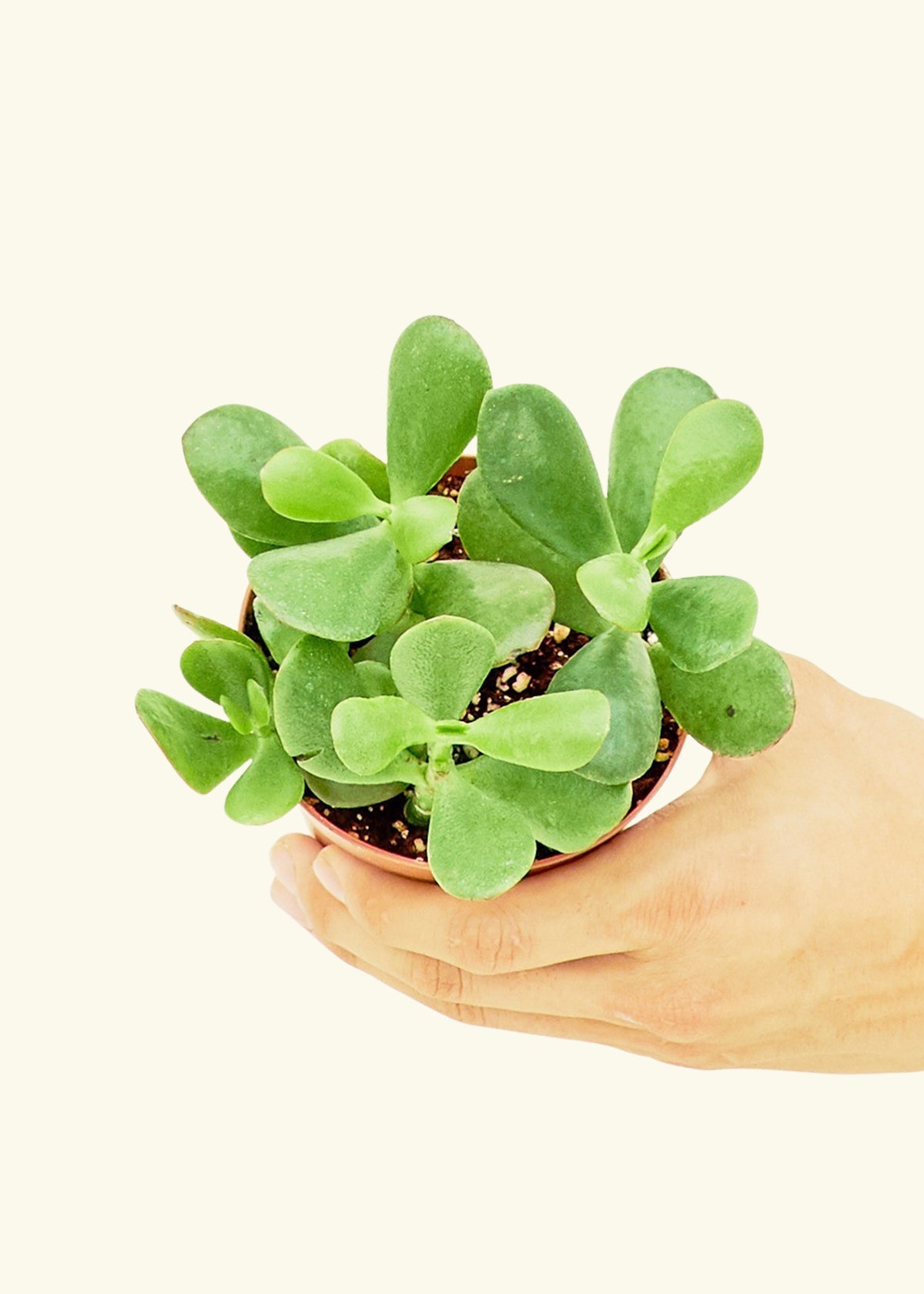
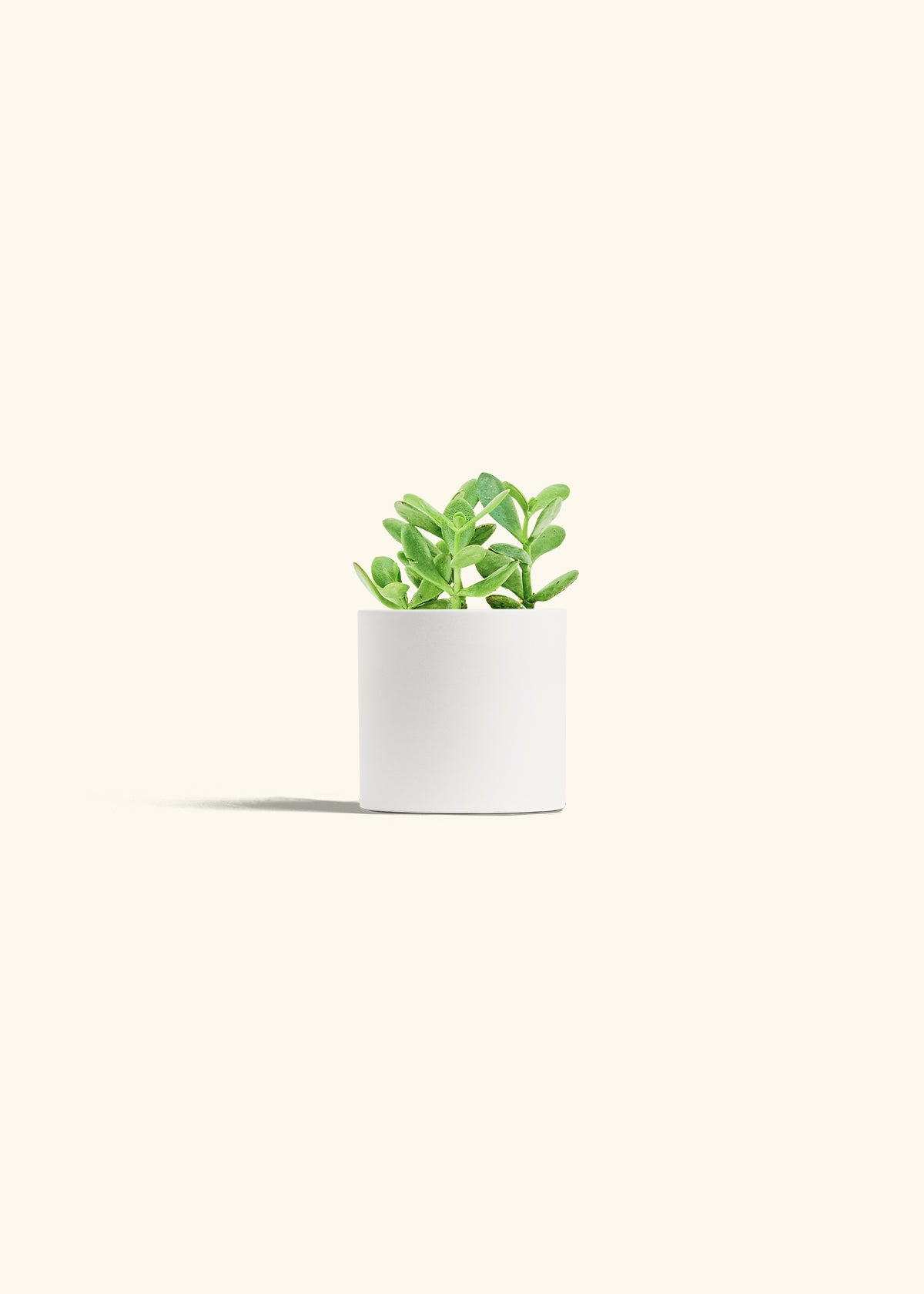
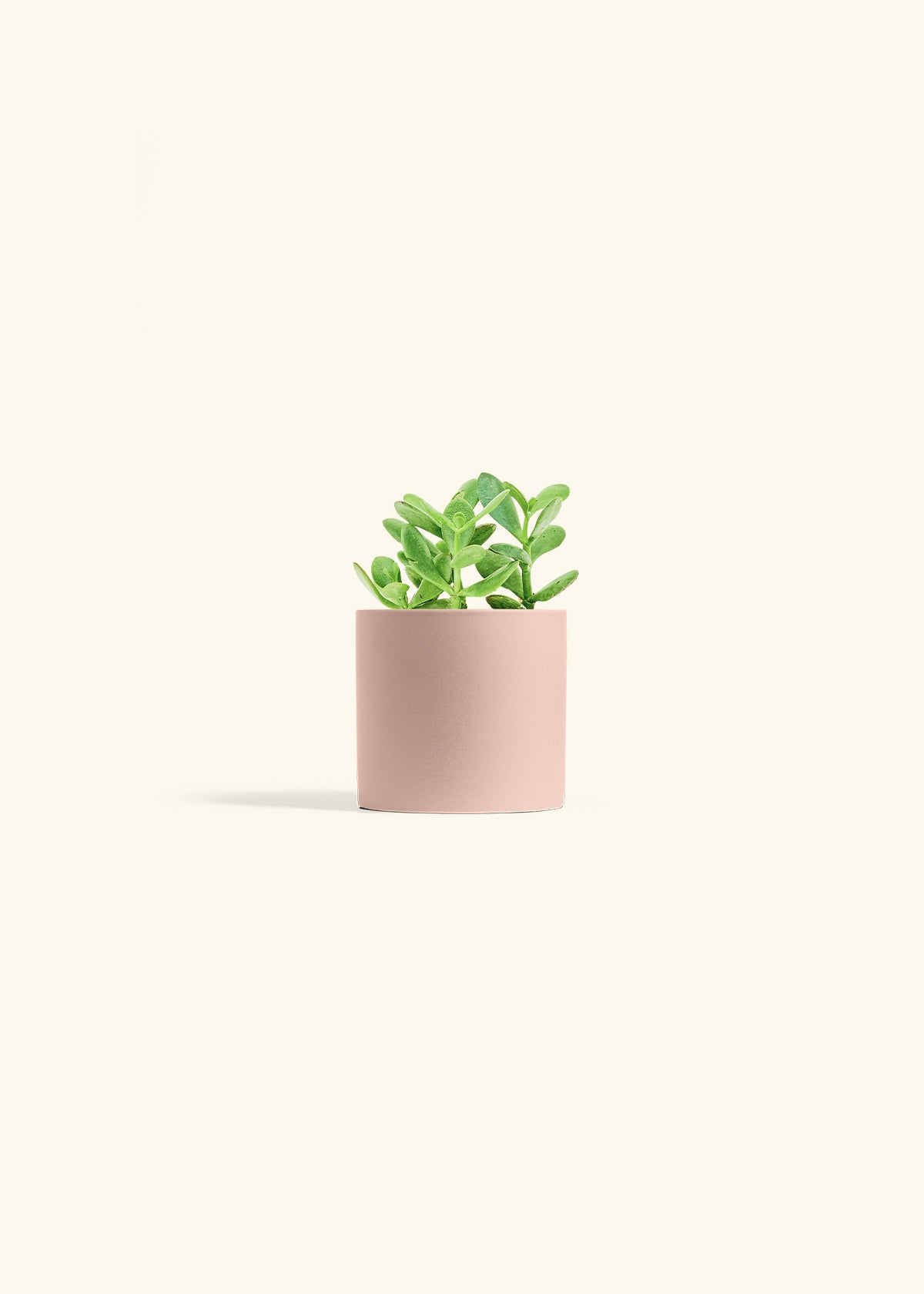
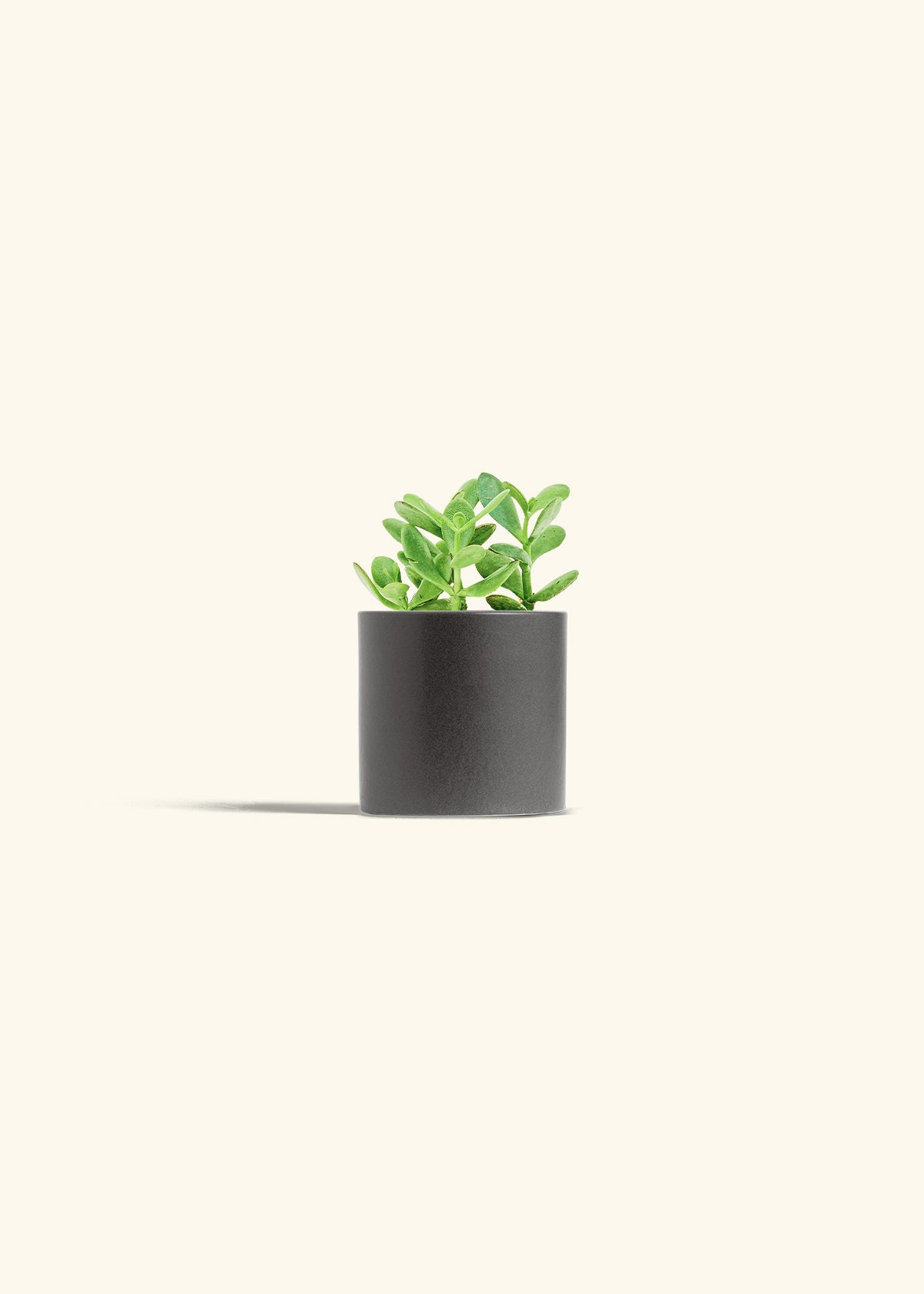
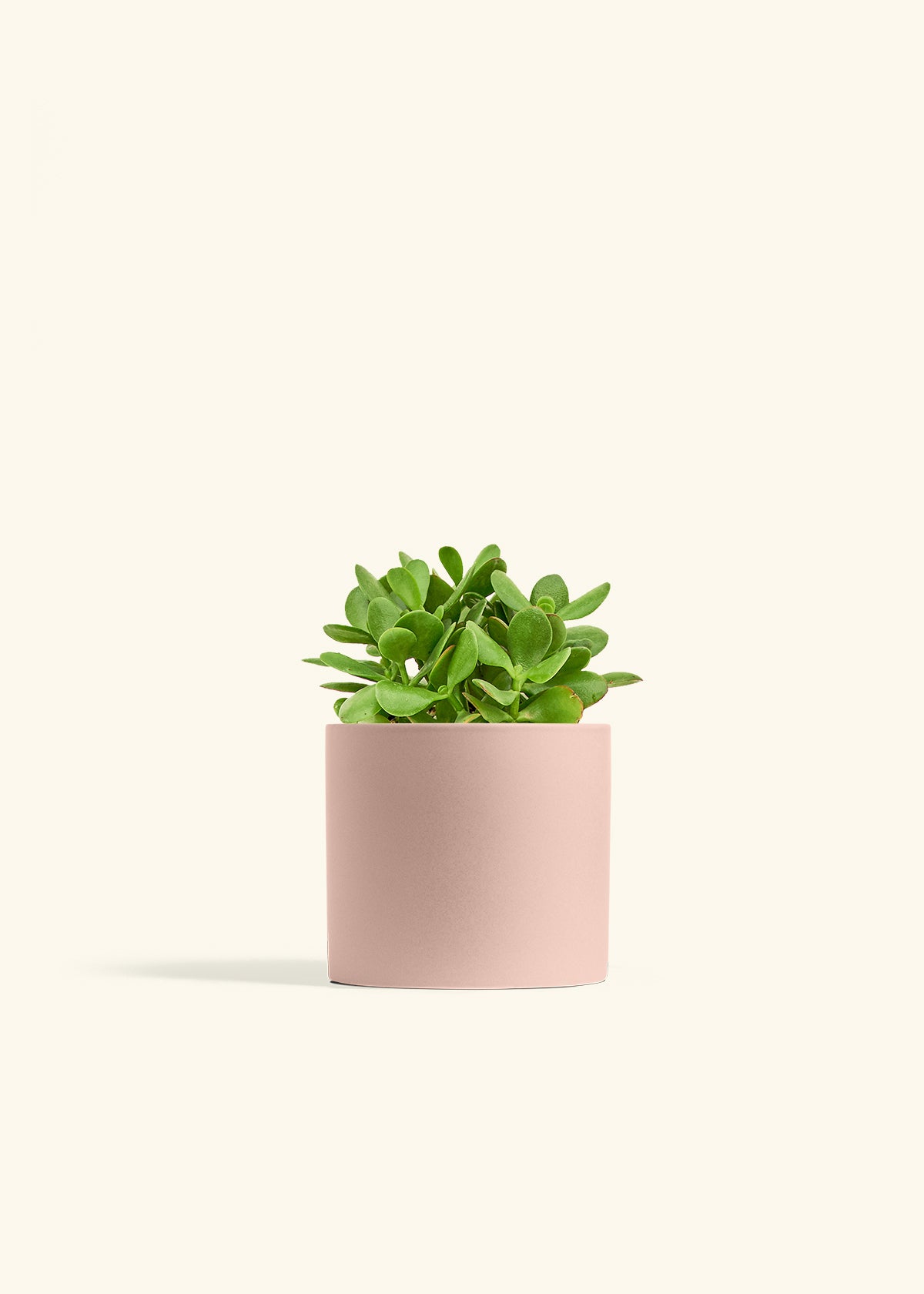
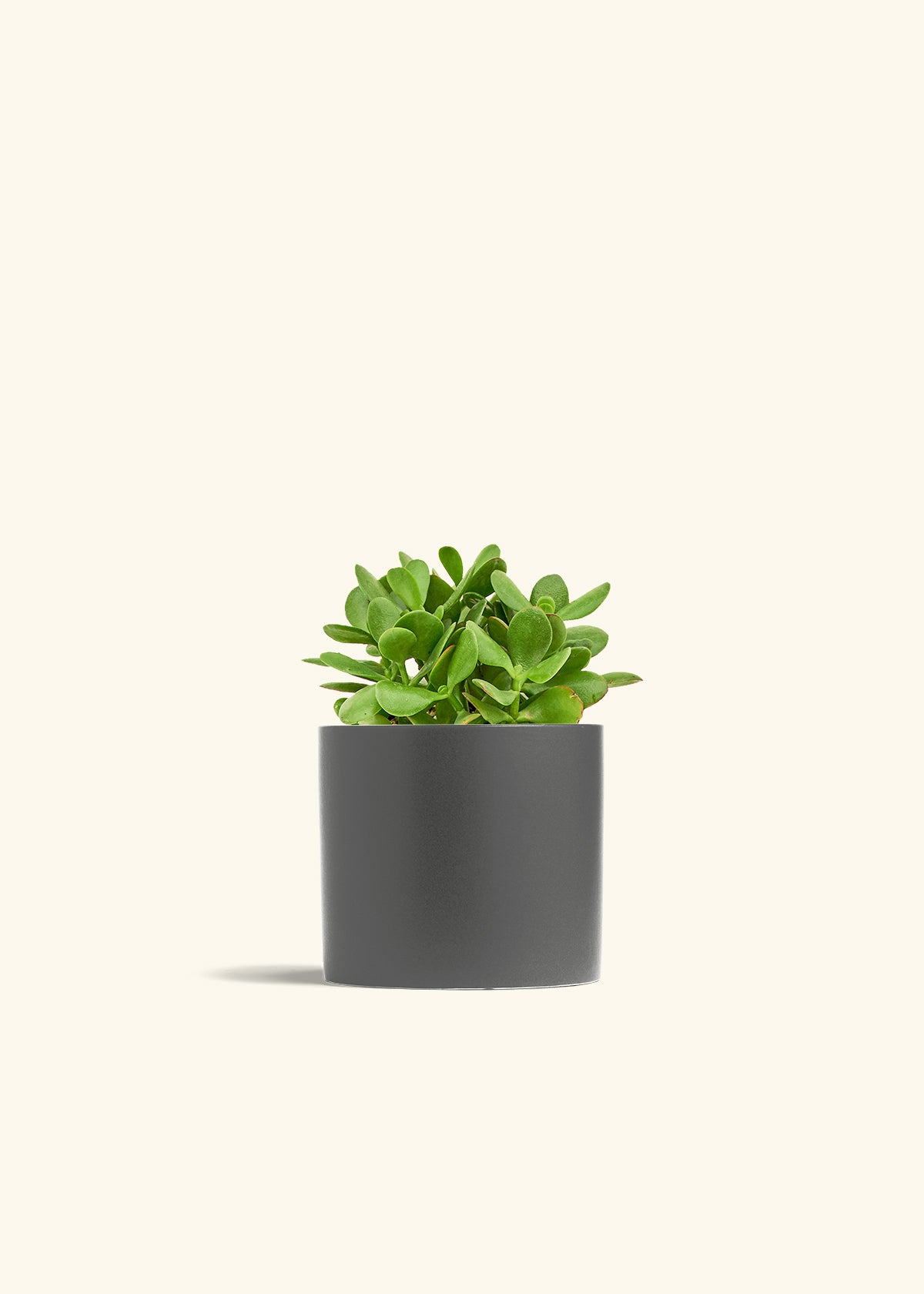
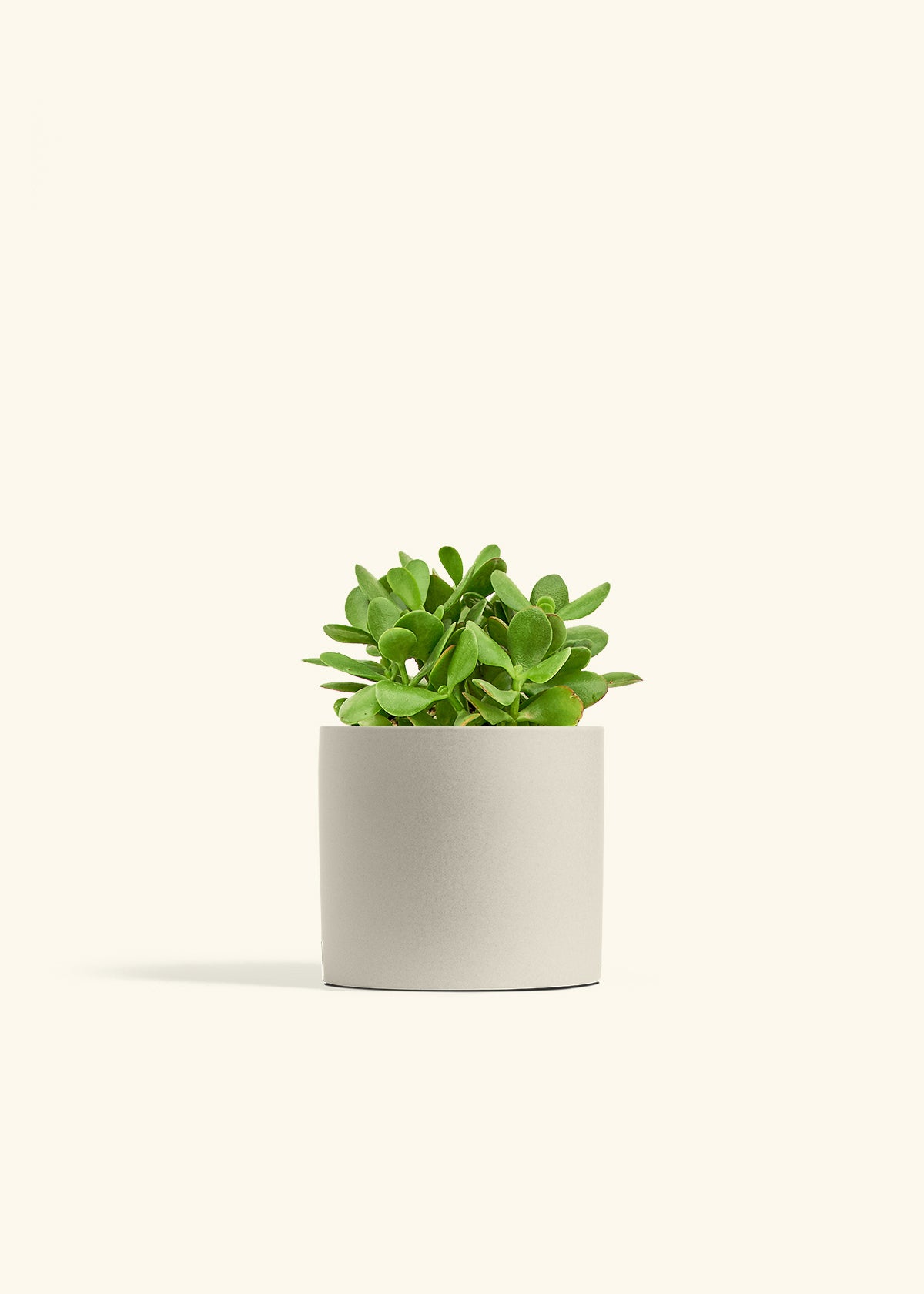

 2" diameter
 4"-7" height