Blue Star Fern Care Guide
About Blue Star Fern Plant
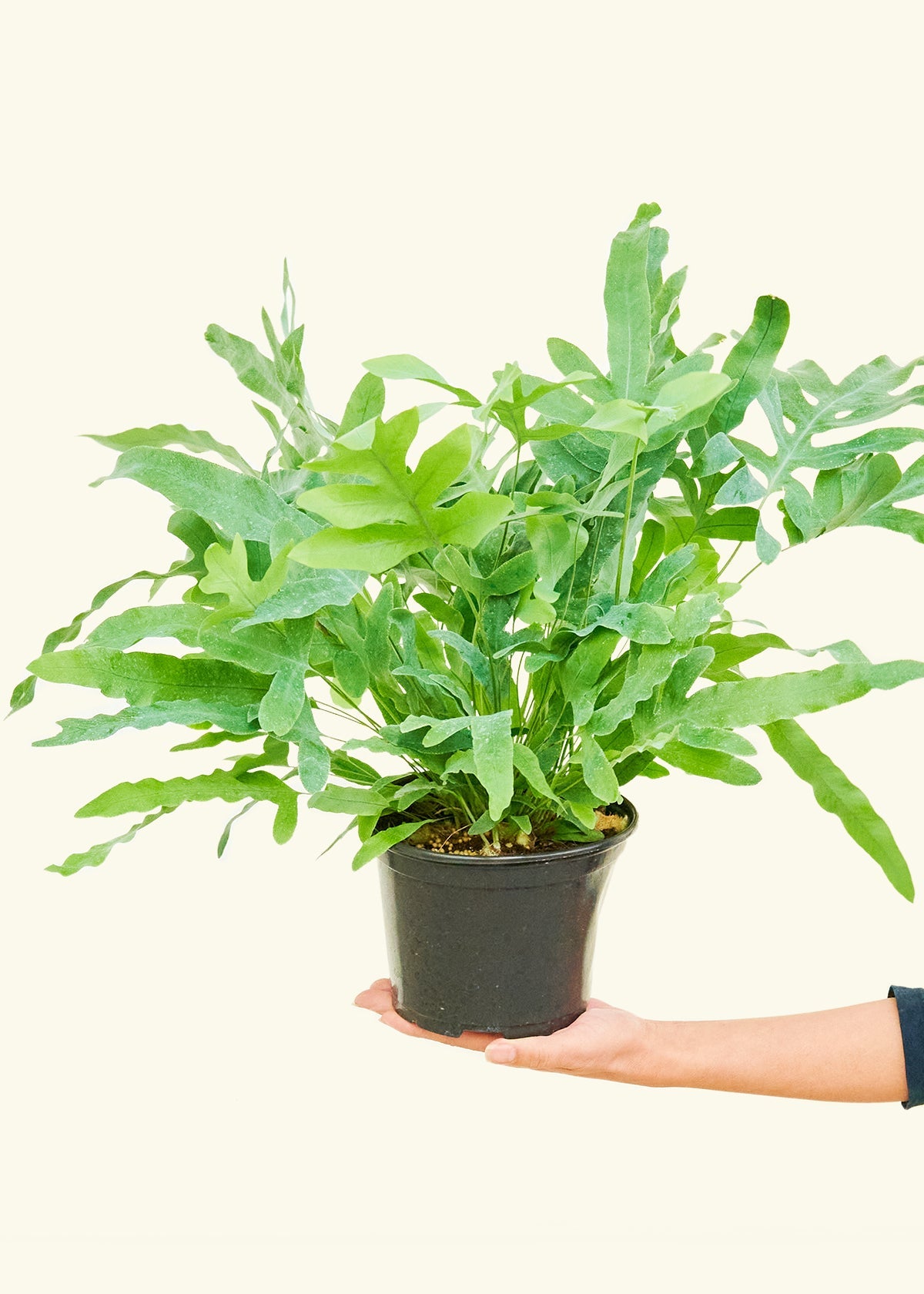
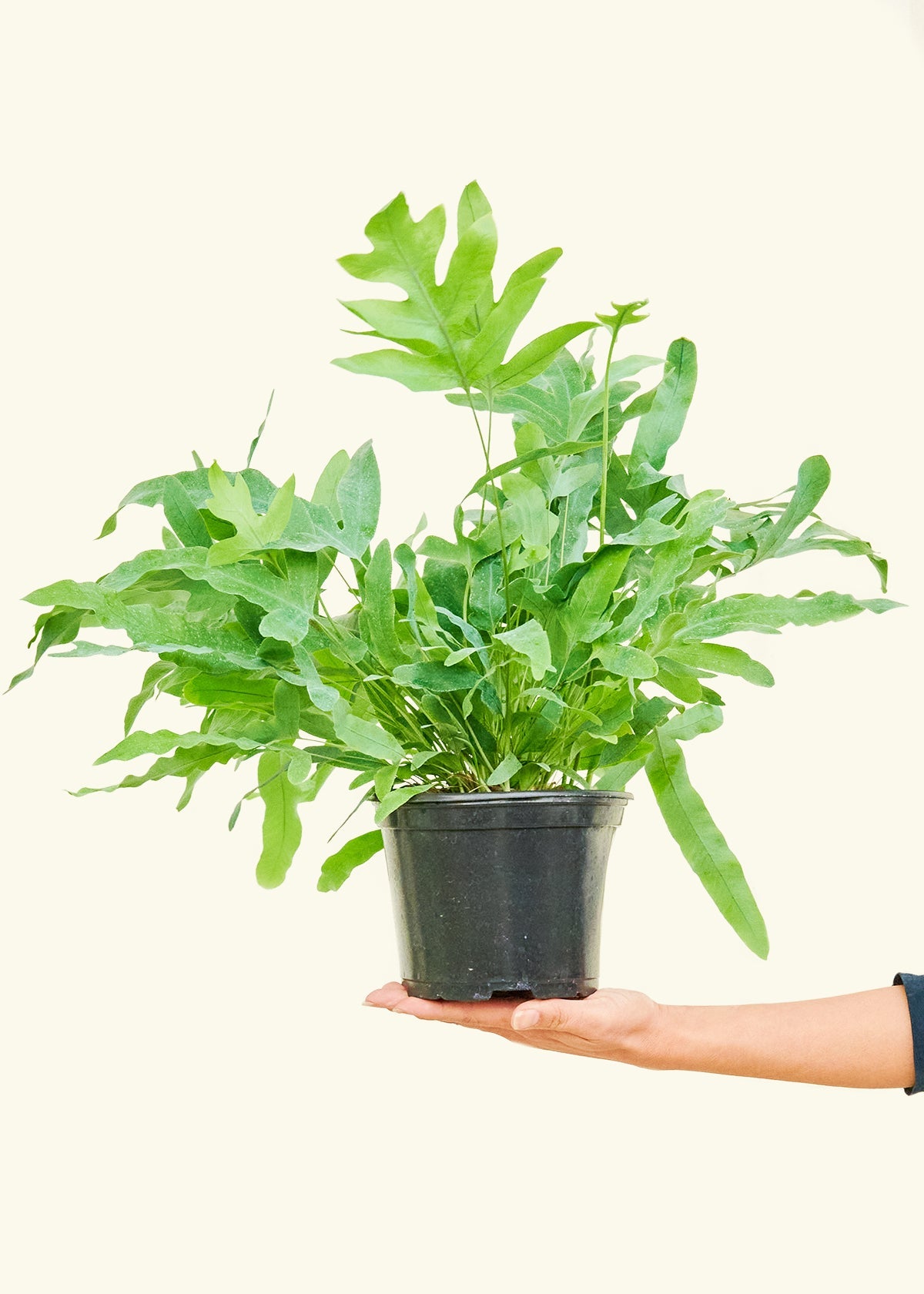
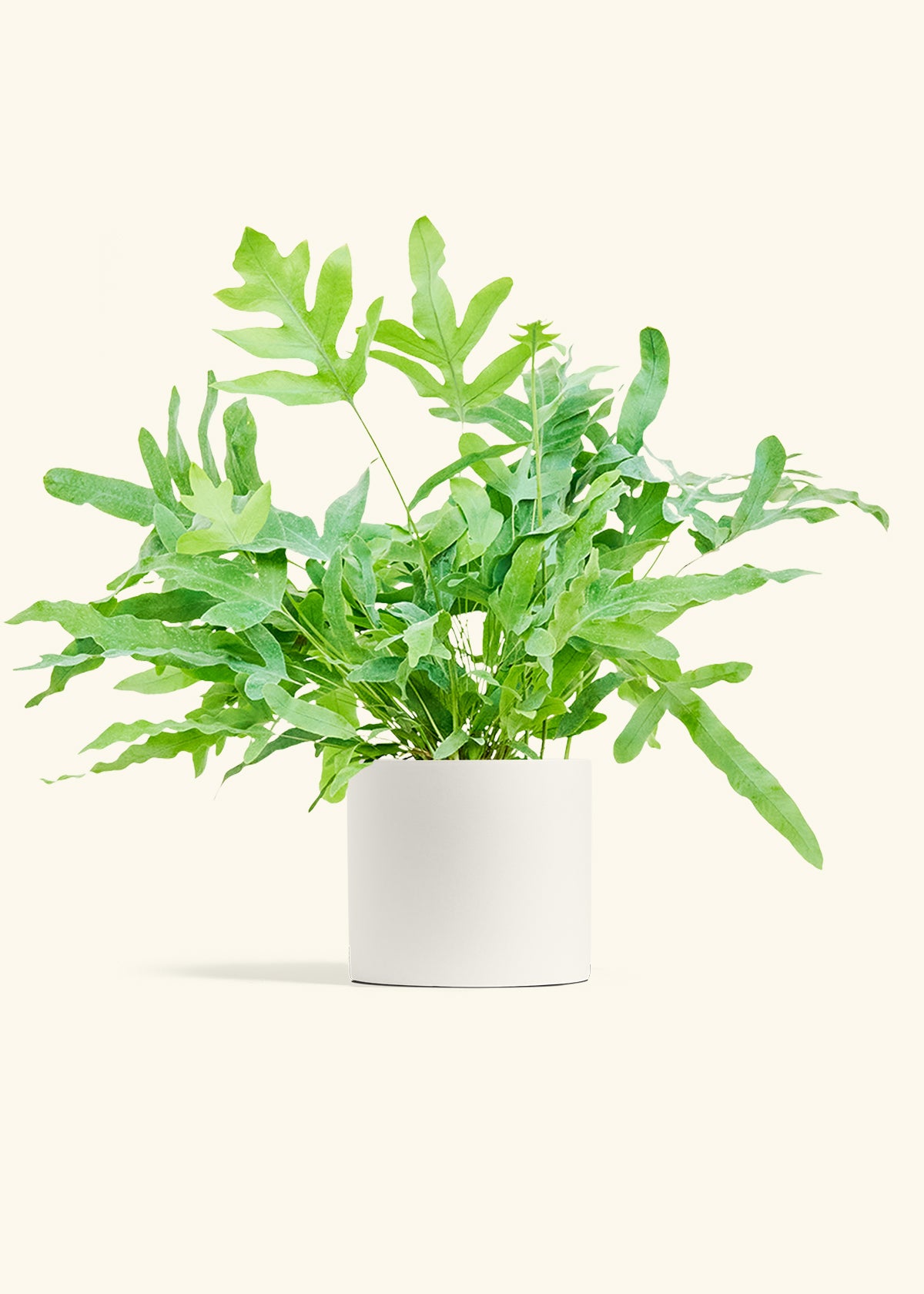
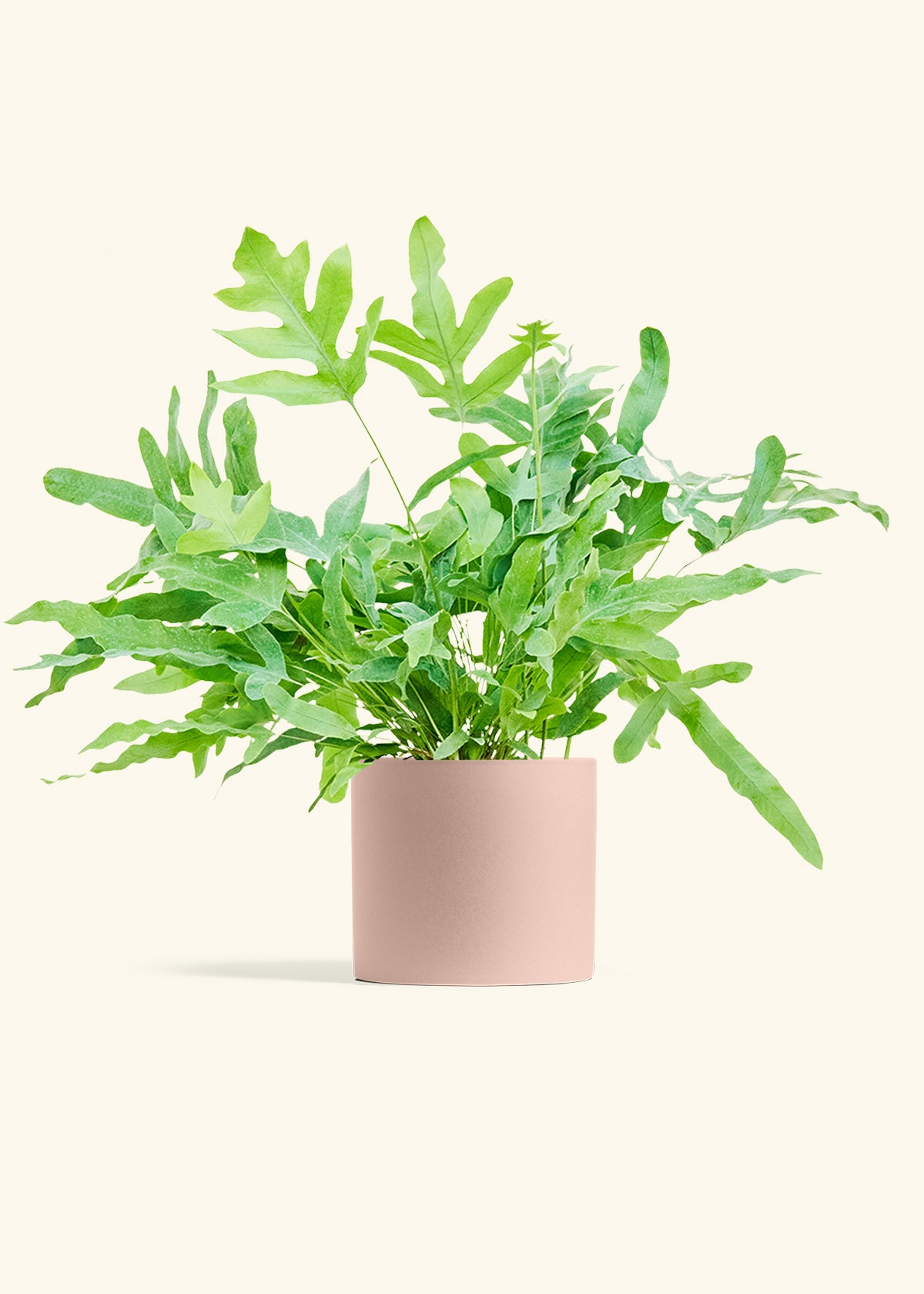
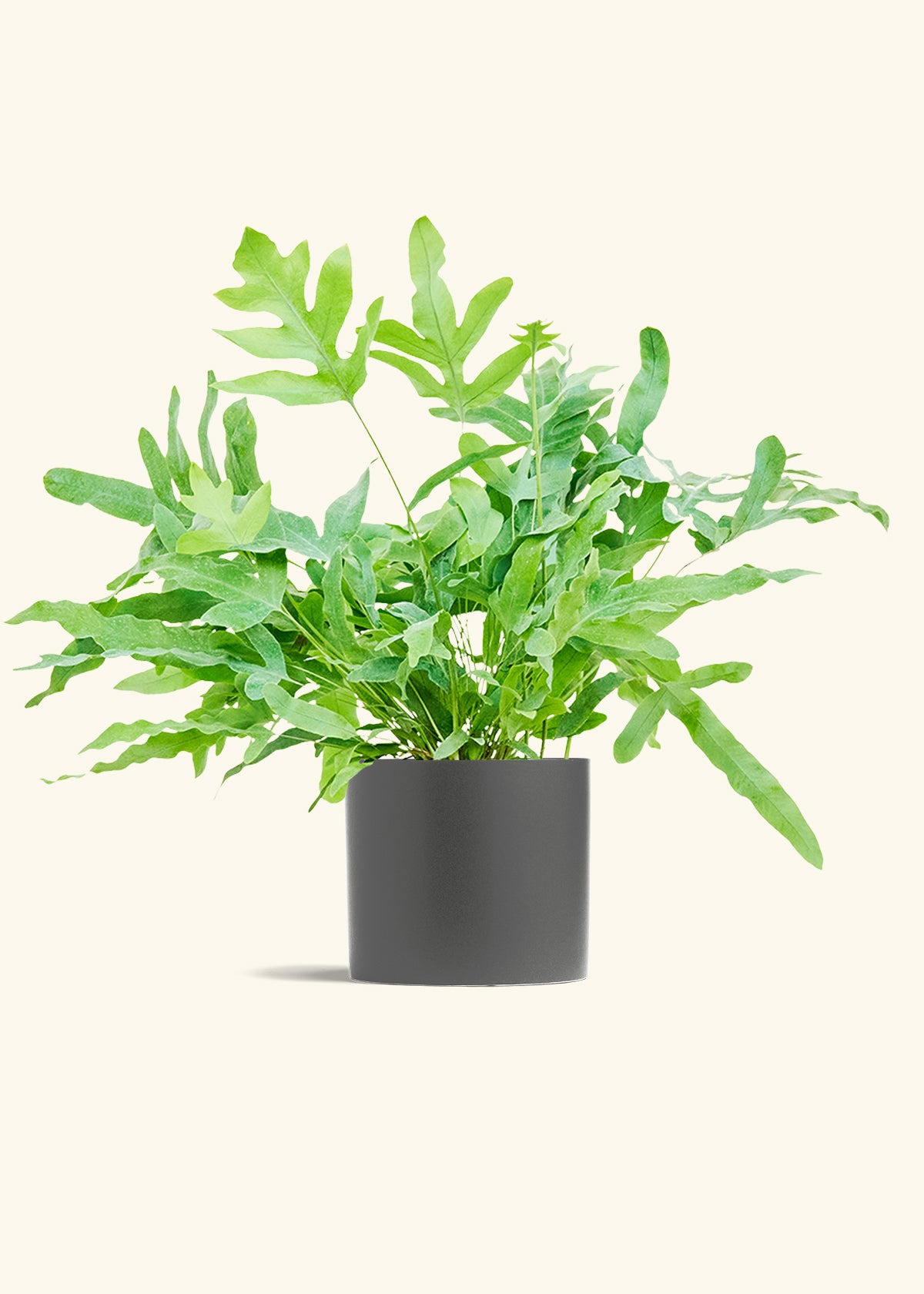
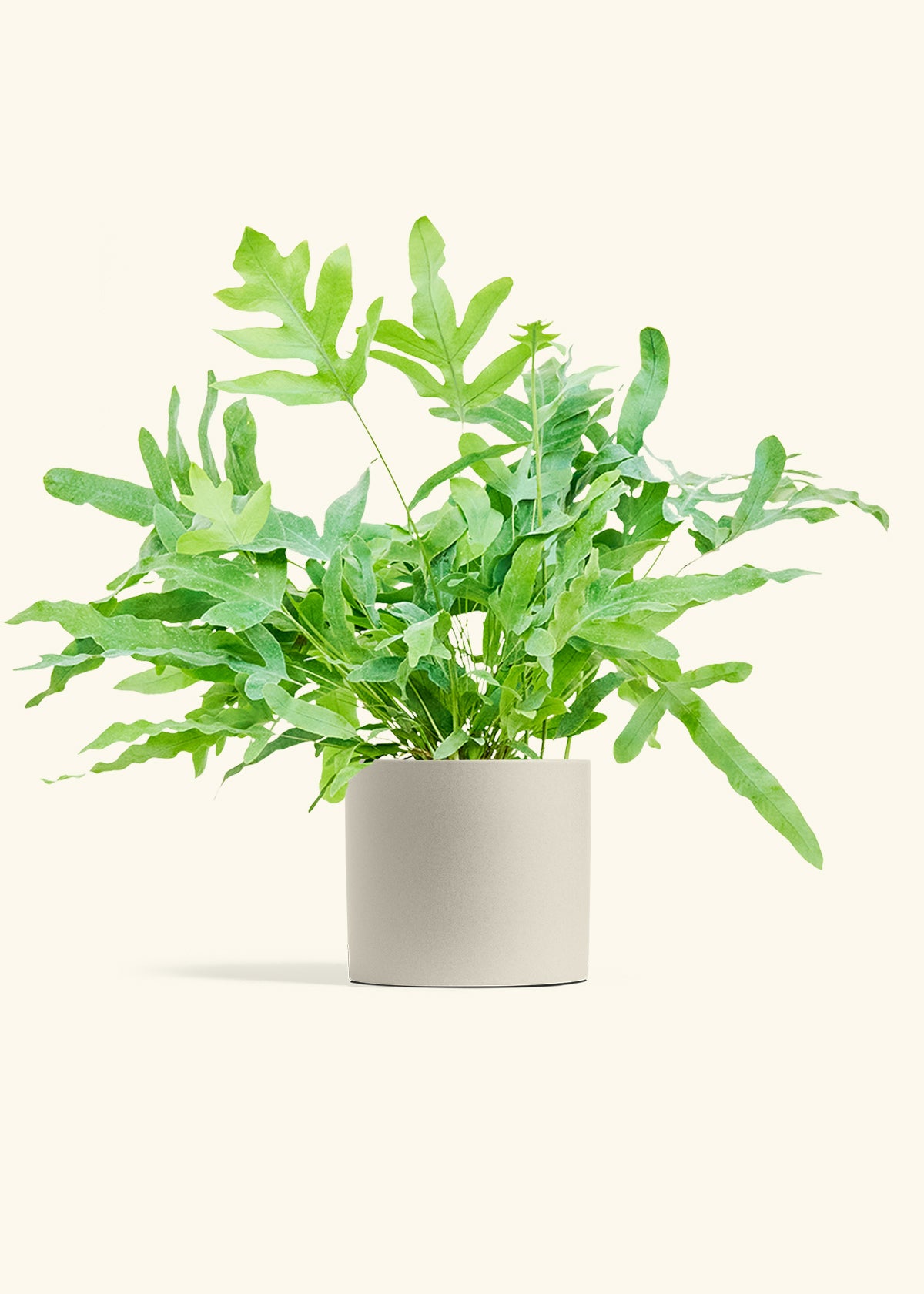
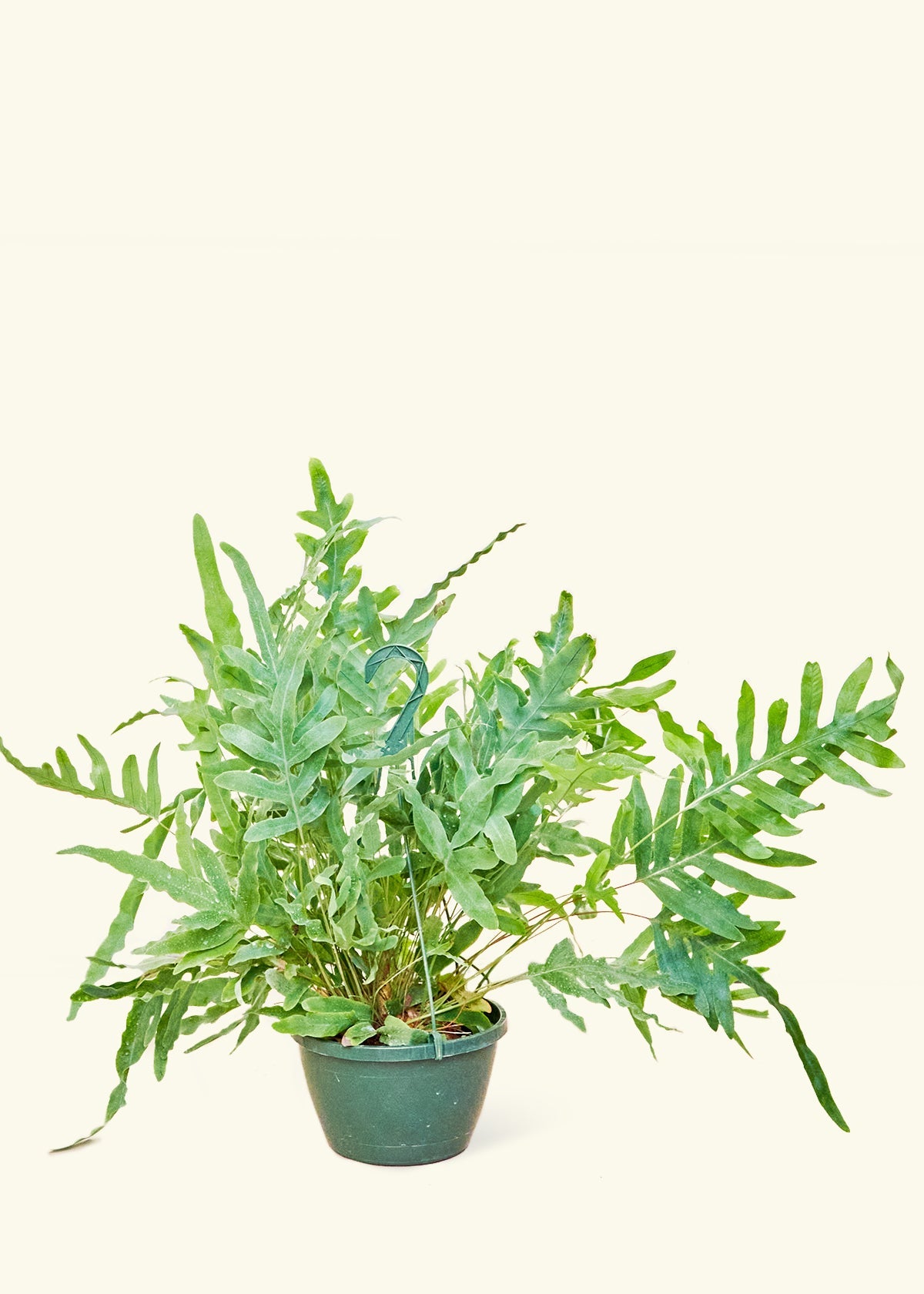
The Blue Star Fern (Phlebodium aureum) is a beautiful fern variety with bluish-green, wavy foliage, native to the tropical and subtropical regions of the American continents. It grows best in warm, humid climates, so it can be kept outdoors in hardy zones 8-13. Its easy-care requirements and aesthetically pleasing fronds make it a popular houseplant among beginner and experienced plant lovers alike.
The Fern Blue Star boasts strong air-purifying benefits, cleansing indoor air of pollutants. Hence, it’s ideal for the bedroom, improving sleep, while adding greenery to your personal space.
This tropical epiphyte belongs to the Polypodiaceae family and is often associated symbolically with personal growth and resilience.
Other stunning fern plants include the Bird’s Nest Fern, Boston Fern, and Silver Lace Fern.
Blue Star Fern Benefits
- Attractive blue-green, wavy foliage
- Suitable for pet parents, as it’s not toxic
- An ideal houseplant for hanging baskets
- Low-maintenance fern variety
- Helps with indoor humidity regulation
Blue Star Fern Care: Growing Tips
Essential aspects of Blue Star fern care are consistent soil moisture and indirect lighting. In addition, this fern requires balanced feeding for optimal growth and lush foliage.
Blue Star Fern: Light Requirements & Temperature
- Light: The Blue Star fern grows best in medium light, and tolerates shade outside and low light indoors. Full-sun exposure is harmful to the plant.
- Temperature: Temperatures between 60°F and 80°F are required for the optimal growth of your Blue Star Fern.
Phlebodium Aureum Blue Star: Watering & Humidity
- Watering: Blue Star Ferns thrive in consistently moist soil. So, always test it and water your fern when the topsoil (about an inch) feels slightly dry.
- Humidity: Ensure this plant is kept in a spot with relatively high humidity (50-80%); your kitchen or bathroom is ideal.
Blue Star Fern: Fertilizer, Soil, and Repotting
- Soil: Well-draining, airy, and nutrient-rich soil is best for this fern variety. Refresh the soil once every two years.
- Fertilizer: Feed your Blue Star fern during the active growing season. Stop fertilizing in the colder months.
- Repotting: Repot the plant when it outgrows its container or every 1-2 years; use a slightly larger pot.
Blue Star Fern: Propagation
You can propagate your Phlebodium aureum Blue Star fern by dividing its rhizomes during repotting in the spring. Plant each section in individual, small pots with moist, airy soil. Place the new plants in a spot with steady warm temperatures and filtered light. Shield their delicate fronds from direct sunlight.
Blue Star Fern Plant: Problems
Blue Star fern problems, such as brown leaves, are common and usually caused by underwatering, sunburn, or very dry air. Adjust your care routine to prevent stressing the plant. Damaged foliage should be trimmed with sterilized tools to minimize the risk of disease spread.
Blue Star Fern: Companion Plants & Placement Options
Whether buying it for yourself or as a gift, the Blue Star fern will reward its owner with fresh, vibrant greenery and a textured look. It can become a focal point in any room easily, provided it gets filtered light and is protected from cold drafts.
Great to Place on
Your Blue Star fern can make a statement on a desk or coffee table. Or place it on a north-facing windowsill or shelf to meet its light requirements.
Blue Star Fern Plant Grows Well With
Grow your fern with the following Nature’s wonders:
- Syngonium White Butterfly: Pair your Blue Star Fern with the stunning Syngonium White Butterfly for a beautiful contrast between colors and textures.
- Philodendron Prince of Orange: The bold and bright tones of the unusual Philodendron Prince of Orange will look amazing against the blue-green leaves of this fern plant.
- Cebu Blue Pothos: Pair your Blue Star plant with the sought-after Cebu Blue Pothos for a matching color scheme.
Get the Blue Star Fern From Hey Rooted Today!


 Care level: Pretty chill
 Light: No direct sun
 Pet friendly
 Water: Once a week


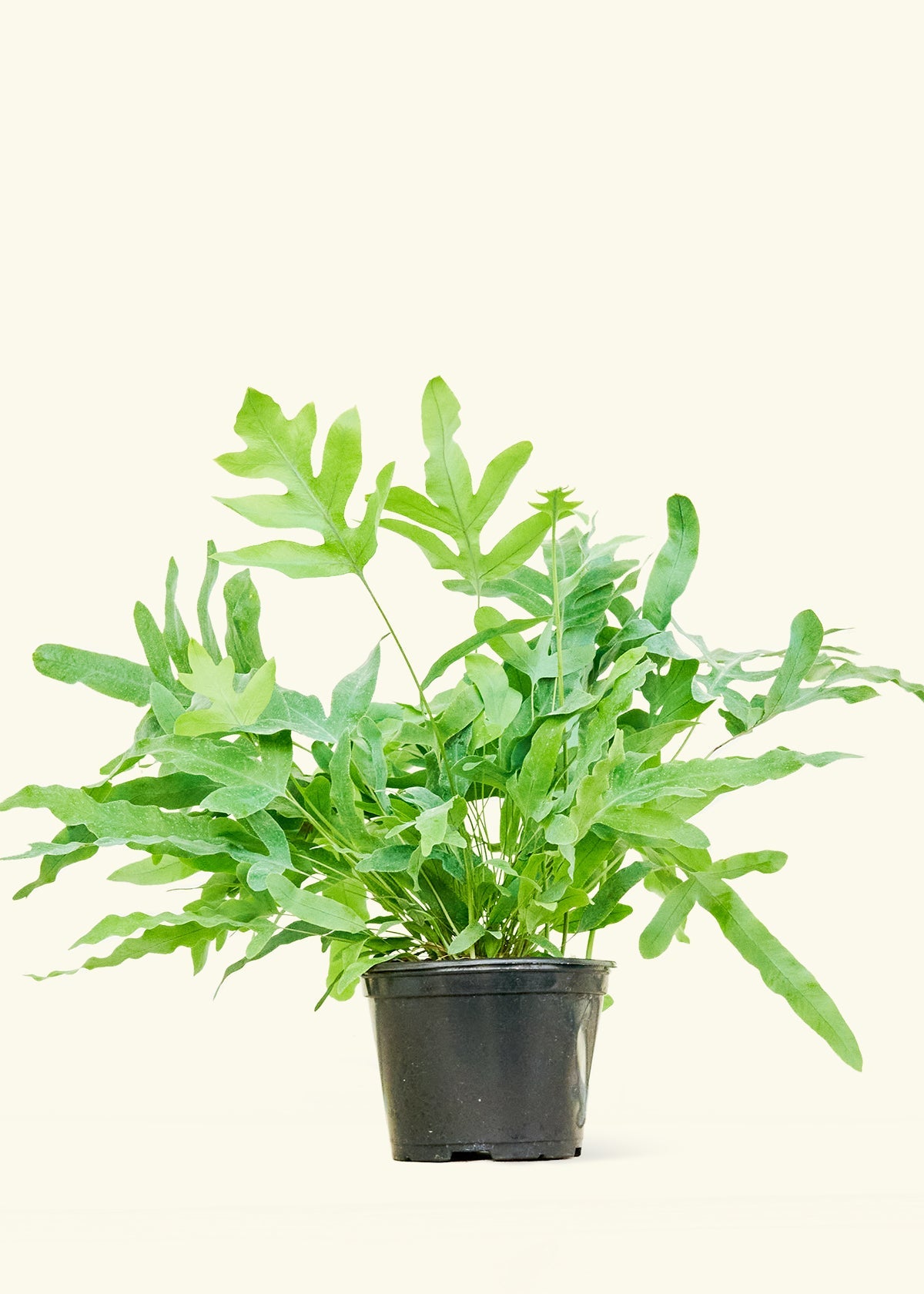

 2" diameter
 4"-7" height