Fiddle Leaf Fig Tree Care: The Complete Guide
You shouldn’t feel intimidated when it comes to Fiddle Leaf Fig care, because keeping it healthy and full is easier than you think. The Fiddle Leaf Fig, also known as Ficus lyrata, is loved for its large, violin-shaped leaves and bold indoor presence. Native to tropical western and central Africa, it is usually grown as a houseplant in cooler climates, where bright indirect light and steady conditions help it thrive.

You shouldn’t feel intimidated when it comes to Fiddle Leaf Fig care, because keeping it healthy and full is easier than you think. The Fiddle Leaf Fig, also known as Ficus lyrata, is loved for its large, violin-shaped leaves and bold indoor presence. Native to tropical western and central Africa, it is usually grown as a houseplant in cooler climates, where bright indirect light and steady conditions help it thrive.
Keep reading to learn how to care for a Fiddle Leaf Fig the right way!
About Fiddle Leaf Fig

The Fiddle Leaf Fig, or Ficus lyrata, is a tropical ficus variety known for its large, glossy, violin-shaped leaves. Native to western Africa, it grows as a tree in warm climates and is usually suited to USDA Zones 10 to 12 outdoors. Indoors, it’s grown into a bold foliage houseplant with a moderate-to-challenging care level.
Fiddle Leaf Figs are not pet-friendly, as the sap can be toxic if chewed by cats or dogs. They are often linked with growth, abundance, and strong visual impact in the home.
Get Fiddle Leaf Fig
Why Are Fiddle Leaf Figs So Hard to Care for?
Fiddle Leaf Figs can seem difficult because they dislike sudden changes. Shifts in light, watering, temperature, or position can lead to browning, leaf drop, or slow growth. They do best when conditions stay bright, warm, and consistent.
How to Care for a Fiddle Leaf Fig

How do you care for a Fiddle Leaf Fig indoors? Give it a stable environment. It grows best in bright indirect light, warm temperatures, and well-draining soil that doesn’t stay soggy for long. Regular watering, moderate humidity, and as little sudden change as possible will help keep it healthy.
How Much Water Does a Fiddle Leaf Fig Need?
Water your Fiddle Leaf Fig until the soil is evenly moistened. If it’s left sitting in soggy compost, you’ve watered it too much. Wait until the top 1 to 2 inches of soil are dry before watering again. How much water you use depends on the size of the pot, light, temperature, and time of year. In a bright, warm room, the soil dries faster, while in lower light or cooler conditions, the plant uses less water.
How Often to Water a Fiddle Leaf Fig
Most indoor Fiddle Leaf Figs need watering about once a week during spring and summer, then less often in winter. Rather than following a fixed schedule, check the soil first. If the top feels dry, it’s usually time to water.
What Does a Thirsty Fiddle Leaf Look Like?
A thirsty Fiddle Leaf Fig may show these signs:
- Drooping leaves
- Dry brown edges
- Dull-looking foliage
- Slow growth
- Dry soil pulling from the pot sides
How to Fix an Overwatered Fiddle Leaf Fig
If your plant is overwatered, stop watering and let the soil dry out. Make sure the pot drains properly and remove any badly damaged leaves. If the soil stays wet or smells sour, repot the plant into fresh, well-draining soil.
Explore More Ficus Plants

Fiddle Leaf Fig: Light Requirements:
Light plays a big part in keeping this plant healthy. If a Fiddle Leaf Fig doesn’t get the right amount of light, growth can slow, and leaf problems often start to show.
How Much Light Does a Fiddle Leaf Fig Need?
A Fiddle Leaf Fig grows best in bright, indirect light for most of the day. It can usually handle some gentle morning sun, but harsh afternoon sun may be too strong, especially through hot glass. Placing it near a bright window is often the best option.
How to Tell If a Fiddle Leaf Fig Is Getting Enough Light?
If your plant receives the right light, it will usually show steady, healthy growth. Signs include:
- Upright leaves
- Strong, even growth
- Large healthy leaves
- Rich green color
- Less leaf drop
Can a Fiddle Leaf Fig Get Too Much Light?
Yes, particularly if it’s exposed to intense direct afternoon sun without time to adjust. Too much sun scorches the leaves, leading to dry, brown patches. If you see these signs, move your fig away from the window slightly or use a sheer curtain to filter the light.
Fiddle Leaf Fig Tree: Temperature Range and Humidity
Fiddle Leaf Figs like warmth and do best when the temperature stays fairly steady, ideally somewhere between 60°F and 80°F. They also prefer a bit of humidity, though most can cope with normal indoor levels as long as the air is not too dry. Keep the plant away from radiators, vents, and chilly drafts, as sudden changes often cause problems.
Should I Mist My Fiddle Leaf Fig?
You can mist a Fiddle Leaf Fig, but it’s not always necessary. How often should I mist your Fiddle Leaf Fig? If the air in your home feels very dry, a light mist a few times a week is usually enough. Steady humidity around the plant is generally more helpful than frequent misting.
How Cold Is Too Cold for a Fiddle Leaf Fig?
Once temperatures start dropping below 55°F, a Fiddle Leaf Fig can begin to struggle. Cold rooms, drafty windows, and sharp overnight drops may lead to stress, leaf damage, or leaf loss.
Repotting Fiddle Leaf Fig: When Should a Fiddle Leaf Fig Be Repotted?

Repot your Fiddle Leaf Fig every couple of years, usually in spring when growth starts again. Signs include roots pushing out of the drainage holes, soil drying out too quickly, or new growth looking smaller than usual. Moving it into a pot just one size larger is usually enough.
What Is the Best Potting Soil for a Fiddle Leaf Fig?
The best soil for Fiddle Leaf Fig plants is a well-draining potting mix that still holds some moisture. A loam-based houseplant compost with added bark or similar chunky material works well because it gives the roots both air and drainage.
Do Fiddle Leaf Figs Like Big or Small Pots?
They do better in pots that fit the root ball fairly closely. A very large pot can hold too much water, which raises the risk of overwatering.
Fiddle Leaf Fig: Fertilizer
Feed during spring and summer when the plant is actively growing. How often do you fertilize Fiddle Leaf Figs? A regular liquid feed or a high-nitrogen fertilizer from spring to late summer is usually enough, but avoid overfeeding in winter.
How and When to Prune a Fiddle Leaf Fig
The best time to prune a Fiddle Leaf Fig is in spring or early summer, when it’s actively growing. You can cut back long, uneven stems, remove damaged growth, or tidy the overall shape. If you want the plant to branch out, make the cut just above a leaf node using clean, sharp pruners.
Should you cut dead leaves off a fiddle leaf fig? Yes, dead or badly damaged leaves can be removed. This improves the plant’s look and makes it easier to monitor its conditions. Avoid removing too much at once, as heavy pruning can stress the plant.
Fiddle Leaf Fig Tree Propagation
Fiddle Leaf Fig propagation is usually done in a few different ways, though some are more reliable than others. The most common method is semi-ripe stem cuttings, either rooted in water or placed straight into moist potting mix. Water propagation lets you watch the roots develop, while soil propagation skips the extra step of transferring the cutting later.
Air layering is another popular method, especially for larger plants. Some growers also use notching to encourage branching rather than full propagation. Leaf-only cuttings are sometimes mentioned, but these usually do not grow into a full new plant on their own.
Fiddle Leaf Fig: Problems & Fixes

Even with the best care, you can still have problems with your Ficus lyrata. The leaves usually give the first clues. If you’re wondering how to tell if a Fiddle Leaf Fig is happy, look for firm stems, healthy green leaves, and steady new growth.
What Does a Bacterial Infection on a Fiddle Leaf Fig Look Like?
Bacterial infection often shows up as dark brown or black leaf spots, sometimes with a yellow edge. Remove affected leaves, improve airflow, and avoid overwatering or wetting the foliage.
Why Are the Leaves on My Fiddle Leaf Fig Turning Brown?
Brown leaves can mean dry air, inconsistent watering, too much direct sun, or root stress. Crispy edges usually point to dryness, while soft dark patches can mean too much moisture. Adjust your Ficus lyrata care routine and trim badly damaged areas.
What Does an Overwatered Fiddle Leaf Fig Look Like?
An overwatered Fiddle Leaf Fig may look limp and develop yellow leaves or brown spots. Let the soil dry out, check drainage, and repot if the compost stays wet for too long.
How to Treat Yellow Leaves on Fiddle Leaf Fig?
The cause of yellowing leaves is often overwatering, low light, or stress. Check the soil, improve light levels, and avoid sudden changes.
Why Is My Fiddle Leaf Fig Dropping Leaves?
Leaf drop is usually a stress response caused by drafts, watering issues, or sudden changes. Keep conditions steady and give the plant time to settle.
Fiddle Leaf Fig Plant Care: FAQs
Q: Should I bottom water my Fiddle Leaf Fig?
A: You can, but most Fiddle Leaf Figs do well with top watering as long as excess water can drain away freely. Bottom watering can help if the soil has become very dry, but don’t leave the pot sitting in water for too long.
Q: What not to do with a Fiddle Leaf Fig?
A: Try not to overwater it, place it in a dark corner, or keep moving it from one spot to another. Also, protect your Fiddle Leaf Fig from direct sunlight in the hottest part of the day.
Q: How to care for a Fiddle Leaf Fig in winter?
A: In winter, water less often, keep the plant in bright light, away from radiators and cold windows, and refrain from feeding your Fiddle Leaf Fig.
Q: Where is the best place to put a Fiddle Leaf Fig tree?
A: The best place is near a bright window with plenty of indirect light. A spot with morning sun can work well, but harsh afternoon sun may scorch the leaves. Keep it somewhere warm and away from drafts.
Conclusion
Focus on the basics when it comes to Fiddle Leaf Fig tree care. Provide bright indirect light, careful watering, steady warmth, and well-draining soil. When these are consistent, this bold tropical plant is far easier than its reputation suggests.
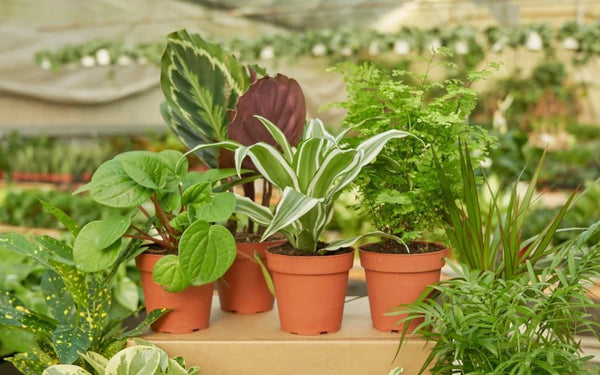
Good companion options for your Fiddle Leaf Fig include a Calathea Rattlesnake (Calathea lancifolia), a Velvet Leaf Philodendron (Philodendron micans), or a Cebu Blue Pothos (Epipremnum pinnatum), which enjoy similar indoor conditions.